

Northern Velebit, Zavižan – Rossi’s shelter (along the Premužićeva staza)
Location: Sjeverni VelebitLength: 15,3 kmElevation gain: 639 mDifficulty: ModerateDifficulty rating: K2, T1, VR3
Note: The trail length and times given refer to the whole route, there and back.
Velebit is our ultimate mountain. It stretches for over 140 km, from Senj in the northwest to the Zrmanja in the southeast. Velebit separates Lika from the sea, and it shapes the climate of a large part of Croatia more than any other mountain we have.

Along with Biokovo and Dinara, it is required “reading” for every nature lover. It is the ground of two large national parks – Northern Velebit National Park and Paklenica National Park. It is also home to Velebit Nature Park, the largest protected area in Croatia, covering around 2,200 km².

Velebit is divided into three main sections – Northern, Central and Southern Velebit. We have walked most of it, but you can keep coming back to Velebit again and again, because you will never discover all of it, however hard you try.

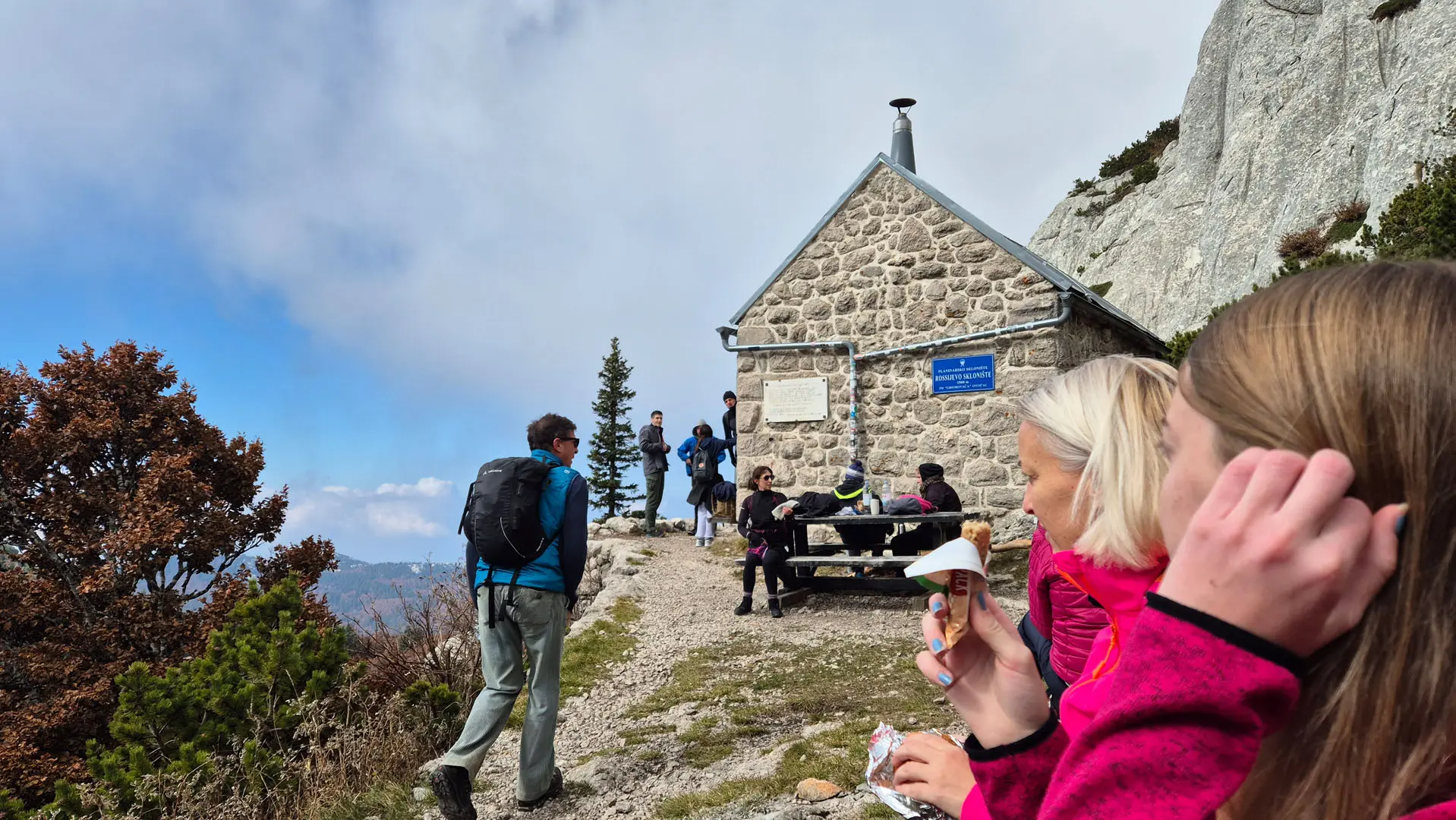
This time we are writing about its northern part, about one of the most beautiful trails in Croatia, which starts at the Zavižan mountain hut and leads southeast to Rossi’s shelter (Rossijevo sklonište). Most of the route follows the legendary Premužićeva staza (the Premužić Trail), and the picturesque landscapes that follow one another along the way show the whole range of natural expression that makes this mountain of ours so special.
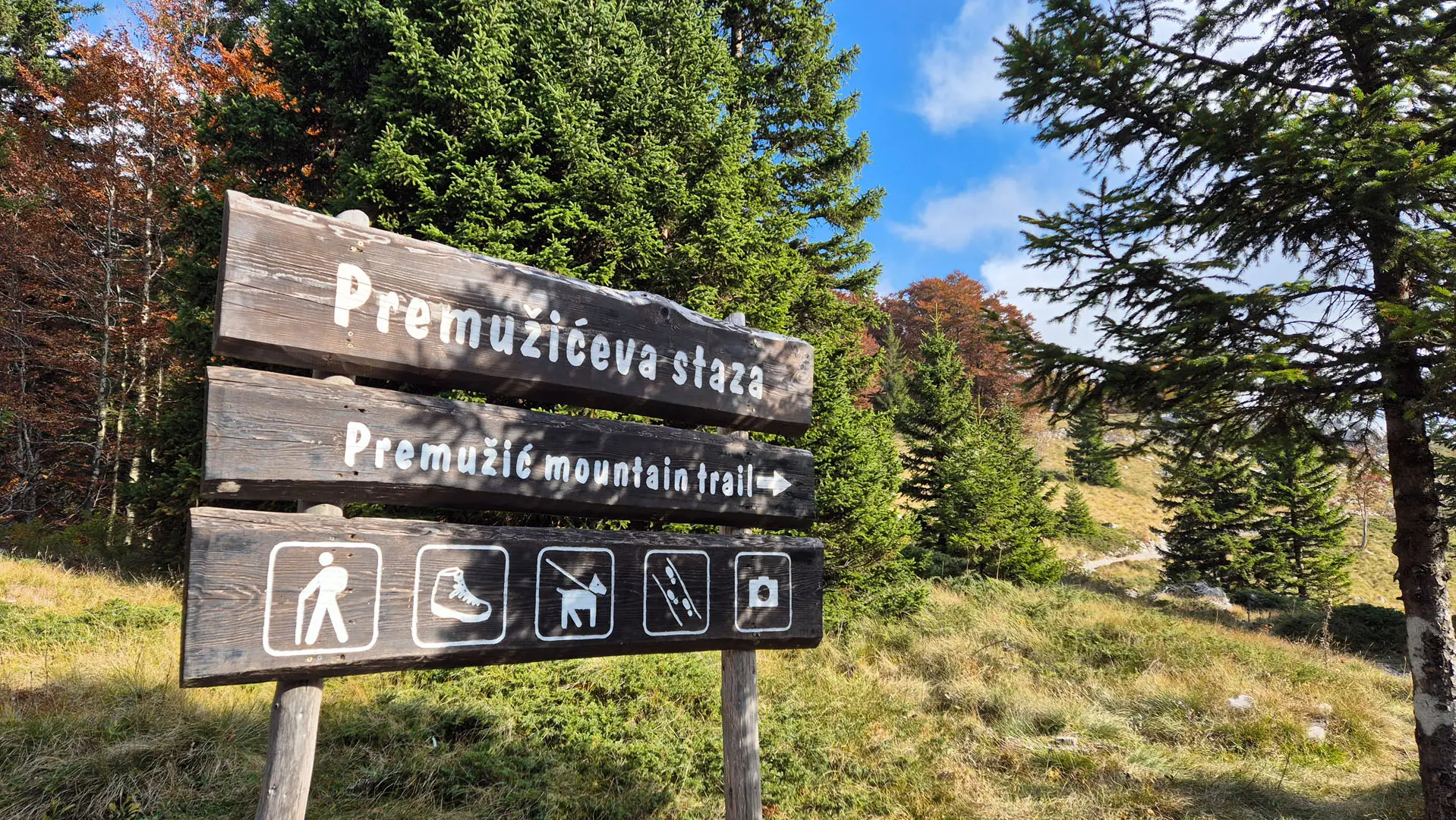
We cannot say that this is the northernmost point of Velebit, because there are another 25 km of mountain towards Senj, but most hikers experience it exactly that way. From Zavižan you generally set off southeast towards Alan.

Alan pass, with the mountain hut of the same name, is the natural destination (about 15 km and 550 m of ascent), but for anyone planning to walk back to Zavižan it is a big undertaking. If transport back is waiting for you on the other side, which is usually the case on organised hiking trips, then the route to Alan is ideal!
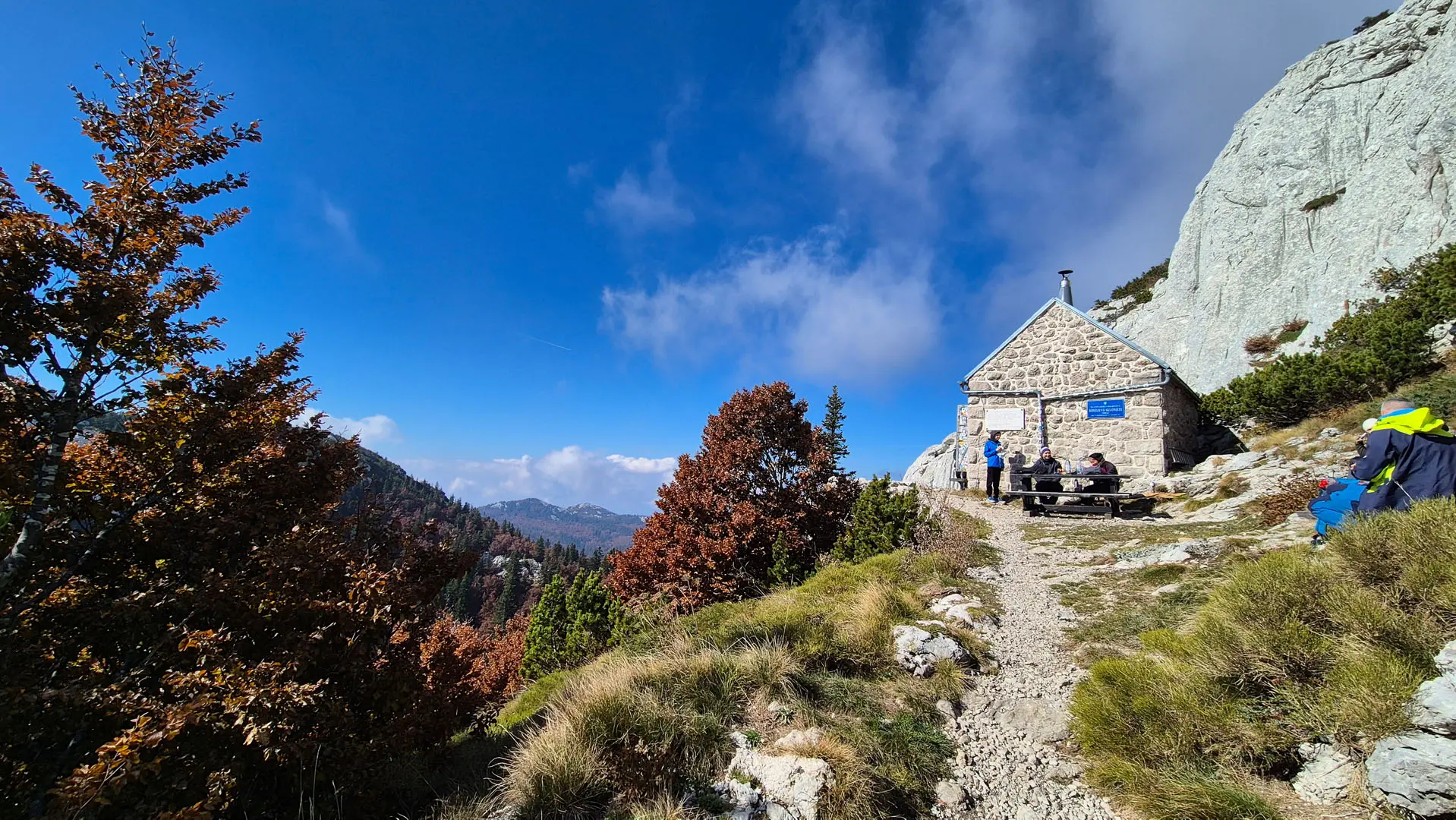
For everyone else, we recommend Rossi’s hut, or shelter, as the turning point of the trip. Almost eight kilometres and around 340 m of ascent one way is more than enough for a rounded day out.

Those who want more can always climb one of the peaks that stand along the trail.

Velebit and the variety of its landscapes are unmatched
Accommodation
If you are looking for the best “base” for this part of Velebit, Krasno is the most logical choice. It is the place closest to the entrance to Northern Velebit National Park. There you will find good accommodation, a couple of small shops, bistros, a rich choice of family farms (OPG), but plenty else besides – from the well-known shrine of Our Lady of Krasno to the excellent Velebit House (Kuća Velebita) museum.

From the centre of Krasno to the park entrance is only about 15 minutes’ drive. The landscape we drive through is unreal, and that is just the overture. The road climbs slowly, going ever deeper into the forest. For anyone who enjoys spirited driving, these few kilometres are a real treat.
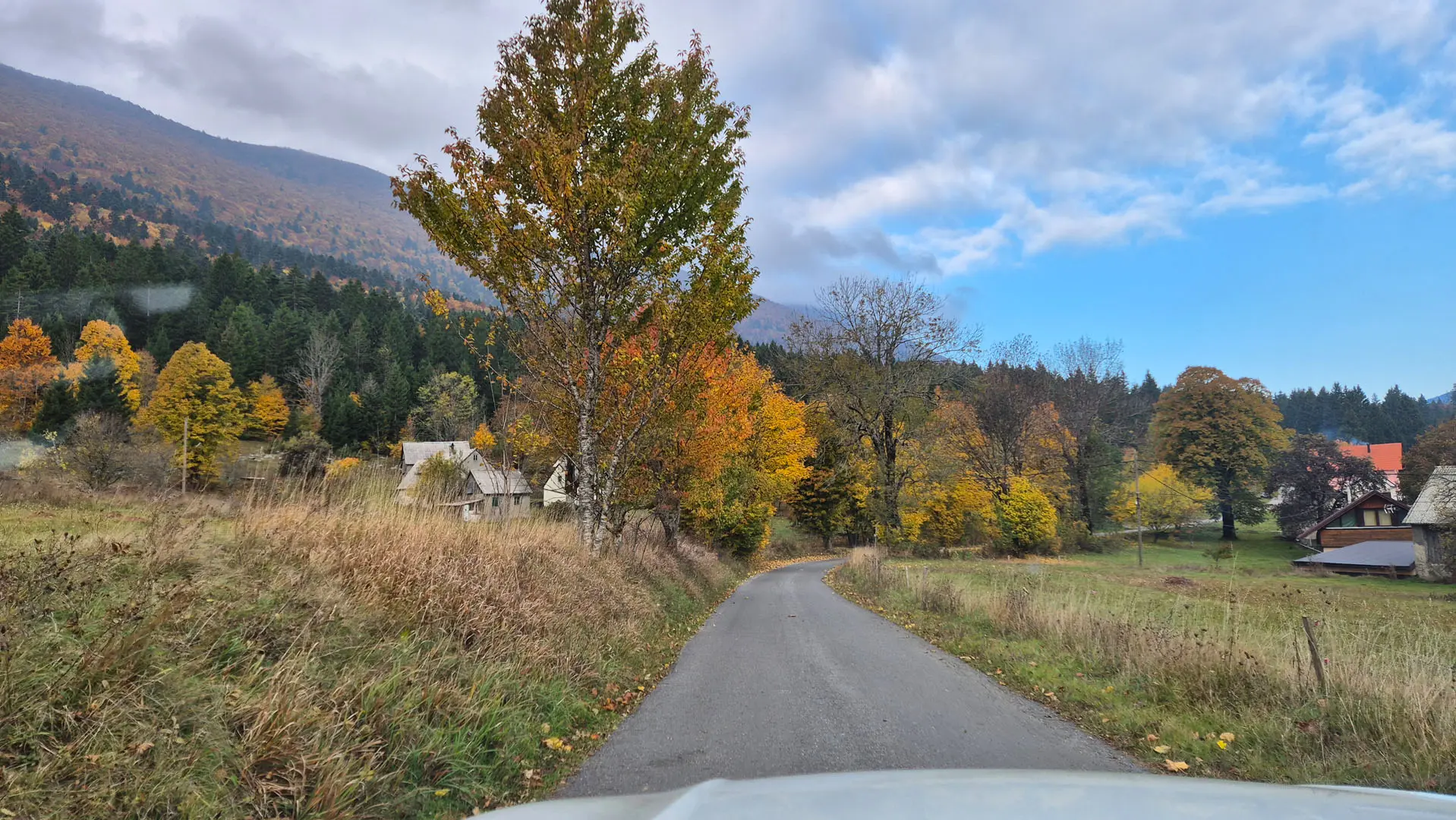
Besides Krasno, Oltari, a village on the northern side, is also a good option for accommodation. Although it has far less on offer, the natural beauty of that area is enchanting!
Northern Velebit National Park
You cannot miss the park entrance! The large car park and the wooden cabins housing the information centre and the ticket office are very nicely fitted into the landscape.


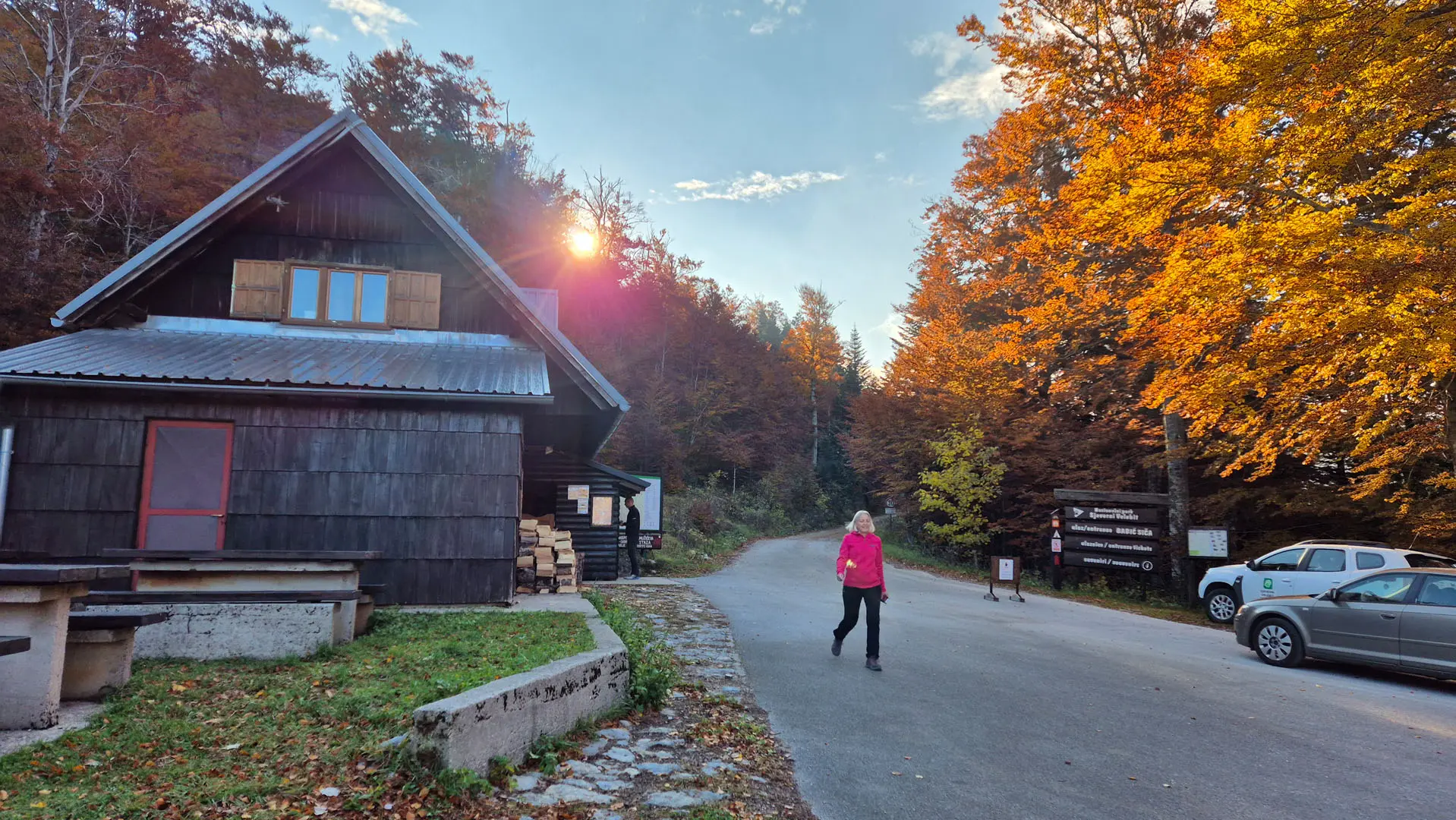
Ticket prices are genuinely symbolic, and you can find them on the park’s website: https://np-sjeverni-velebit.hr/www/hr/posjeti/cjenik
The trail
However promising the park entrance may look in terms of infrastructure, a surprise awaits you a few metres further on – the asphalt gives way to a gravel road that will stay with you for the next 6 km, all the way to the large car park below the hut.

The road was in excellent condition, with only the odd larger pothole. We enjoyed every moment of driving through the fairy-tale landscape.

At the end of the road there is a huge car park of almost 3000 m2. We are at an altitude of around 1530 m.


The car park below Zavižan has an enormous capacity

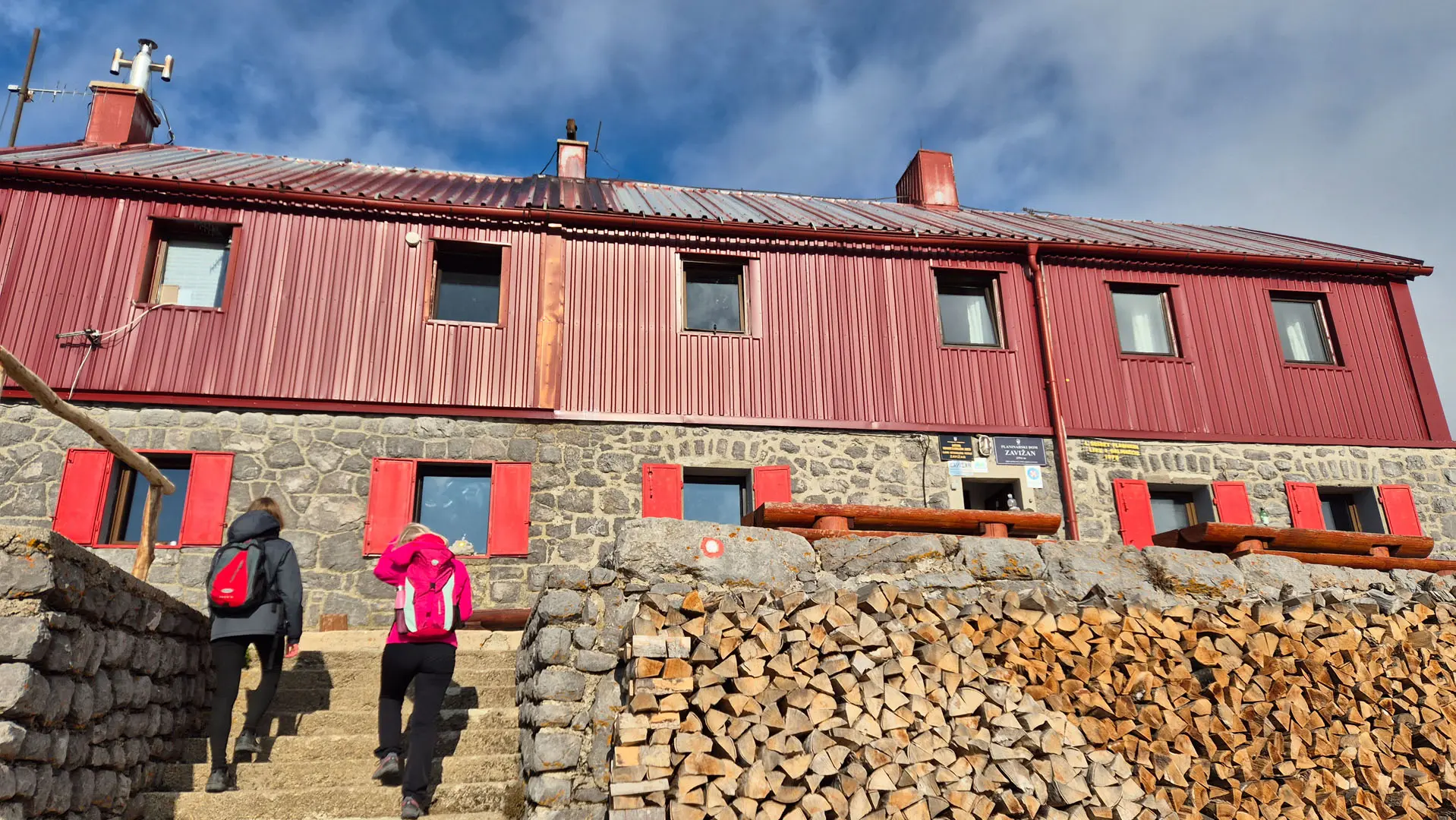
From there the trail sets off, running below the hill on which the mountain hut stands. Although the sign says that beyond this point traffic is allowed only for vehicles with a permit, many people like to drive right up to the hut itself.


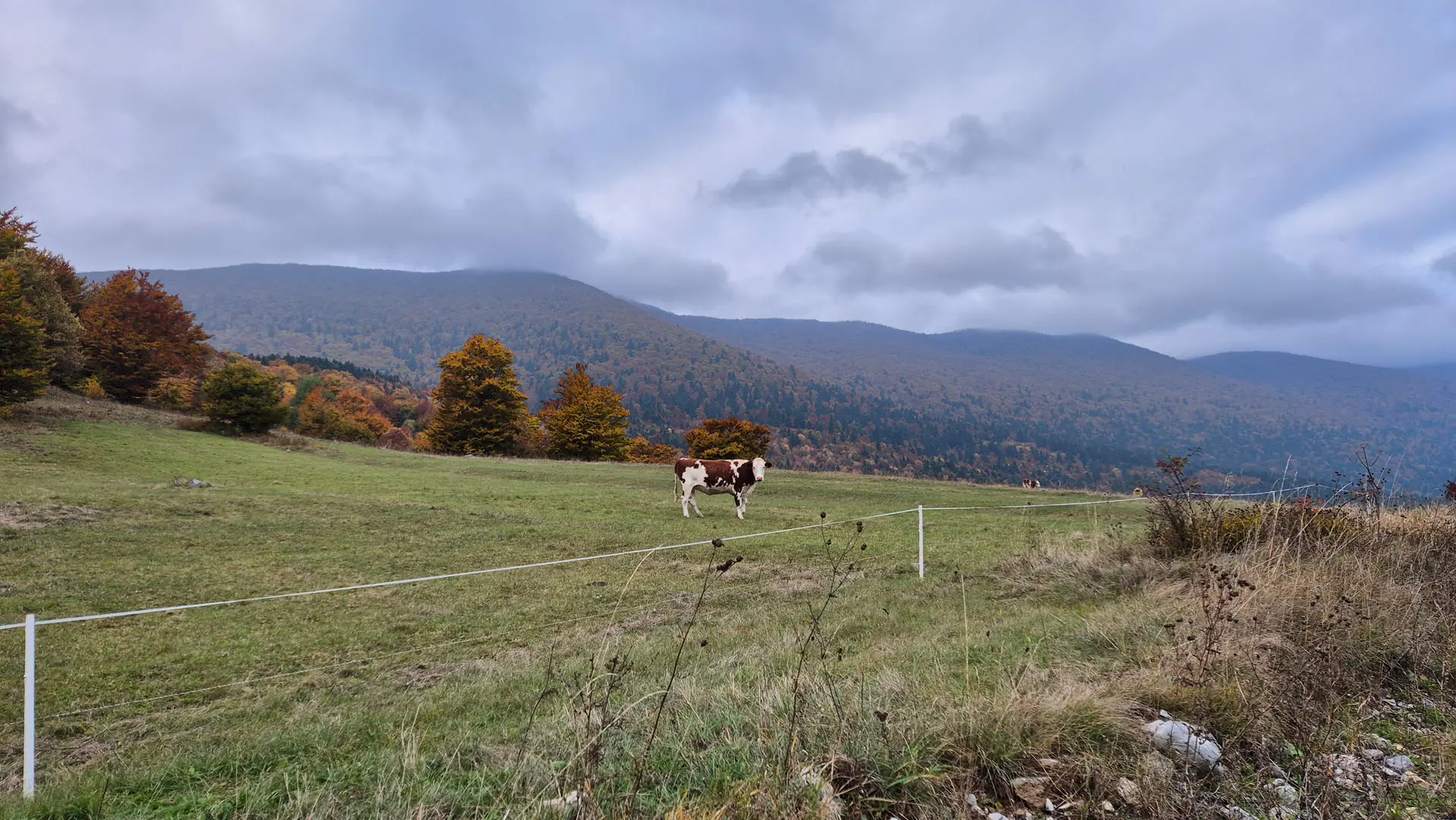
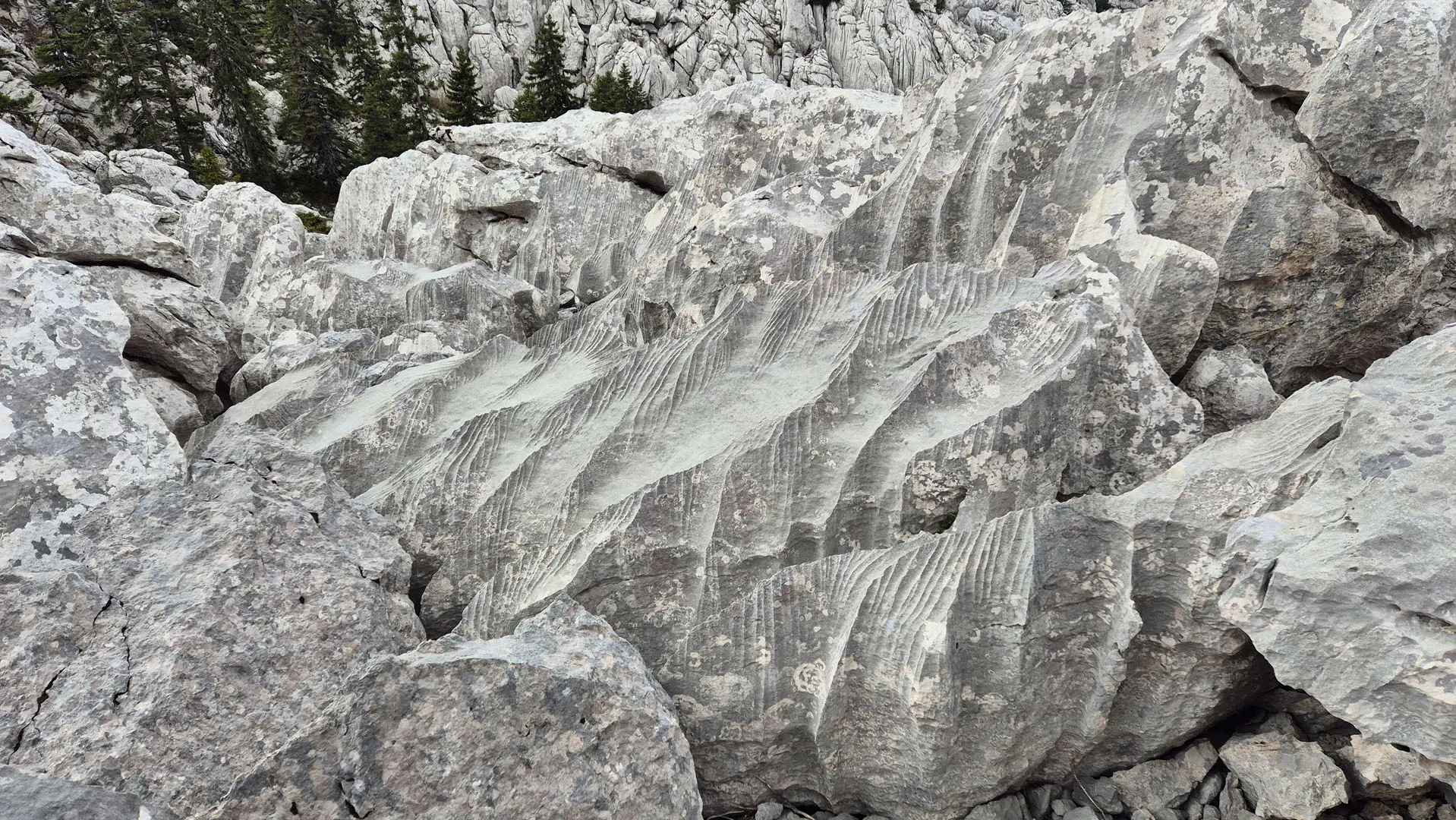
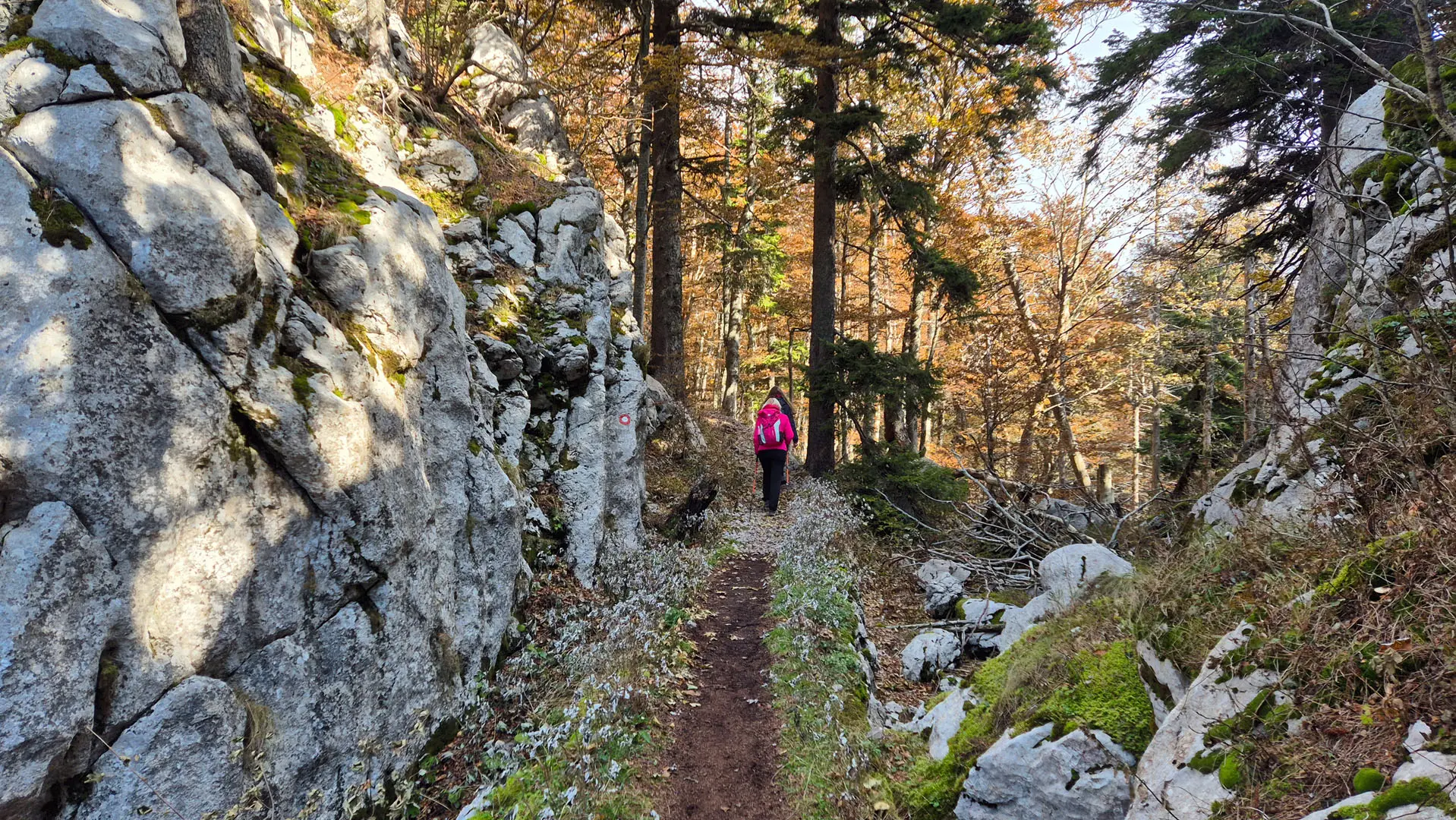
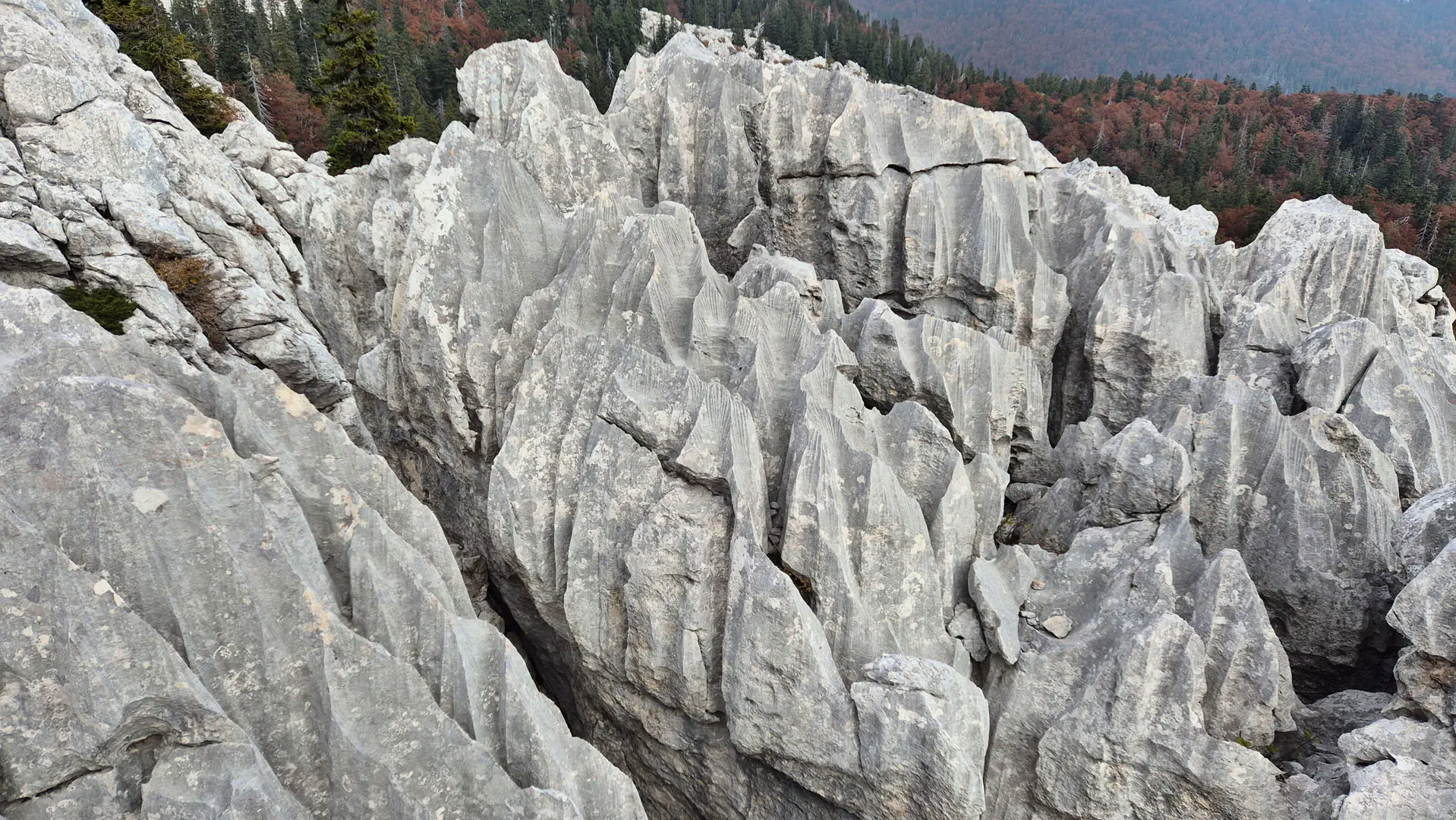
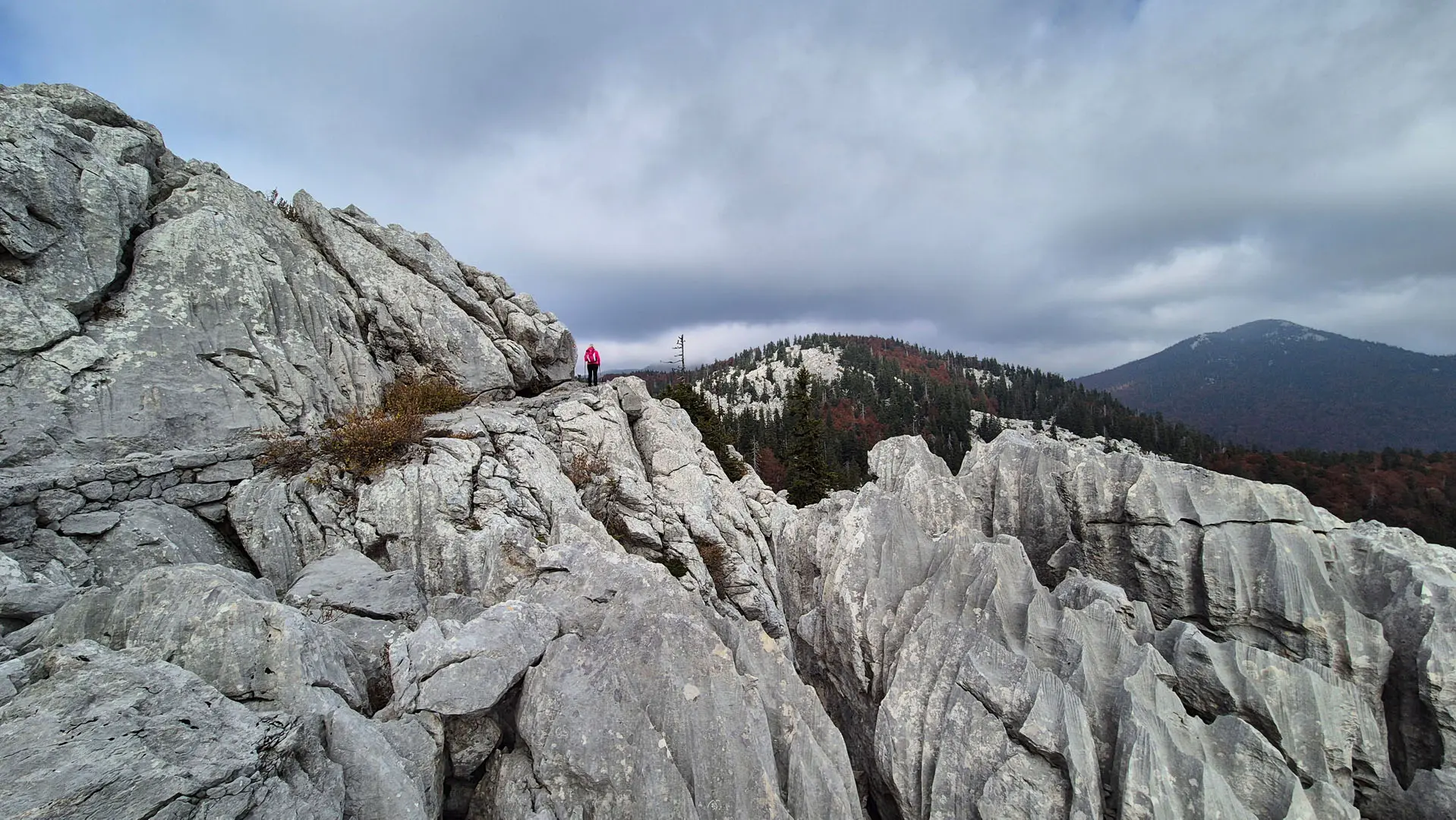
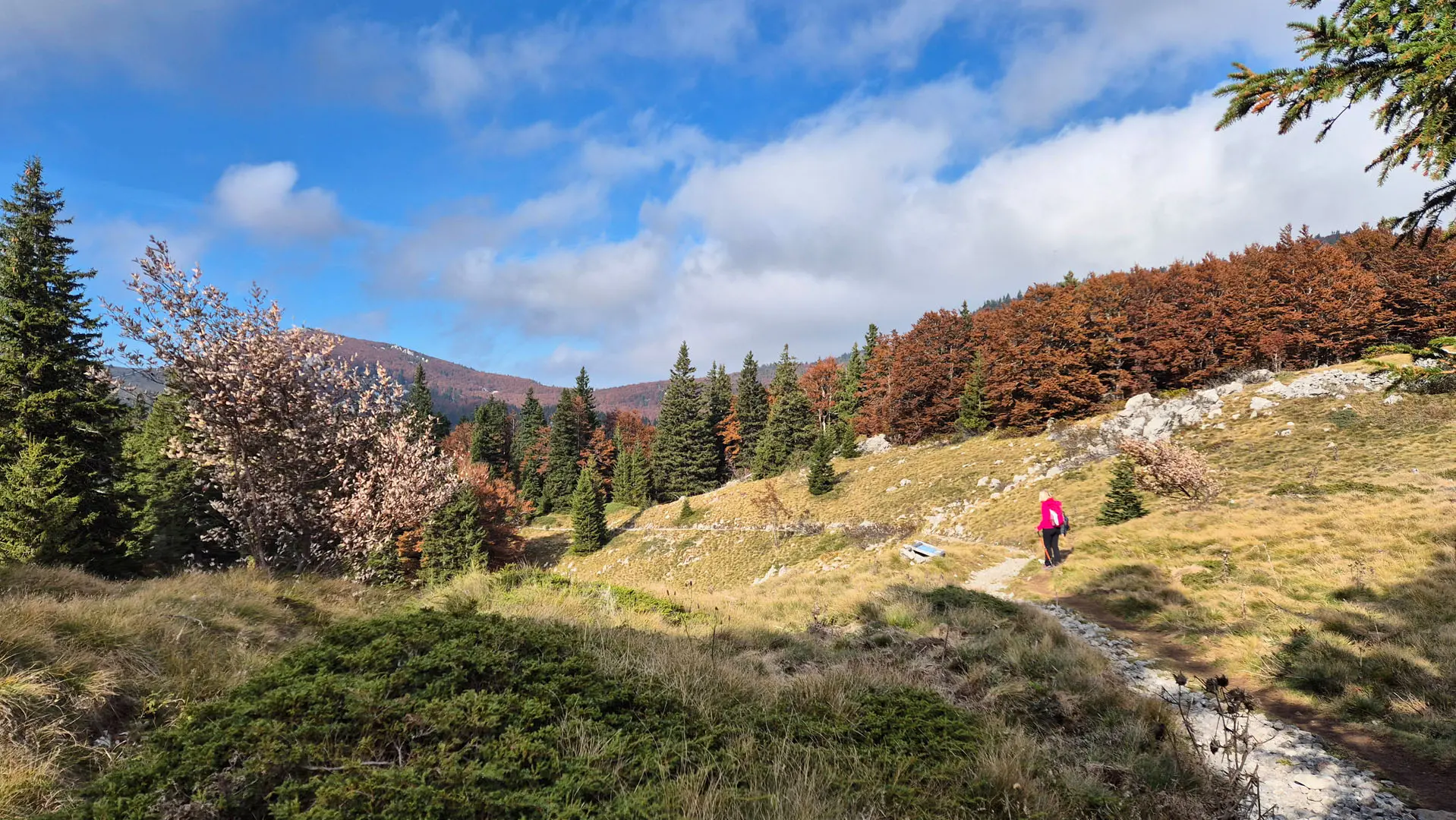
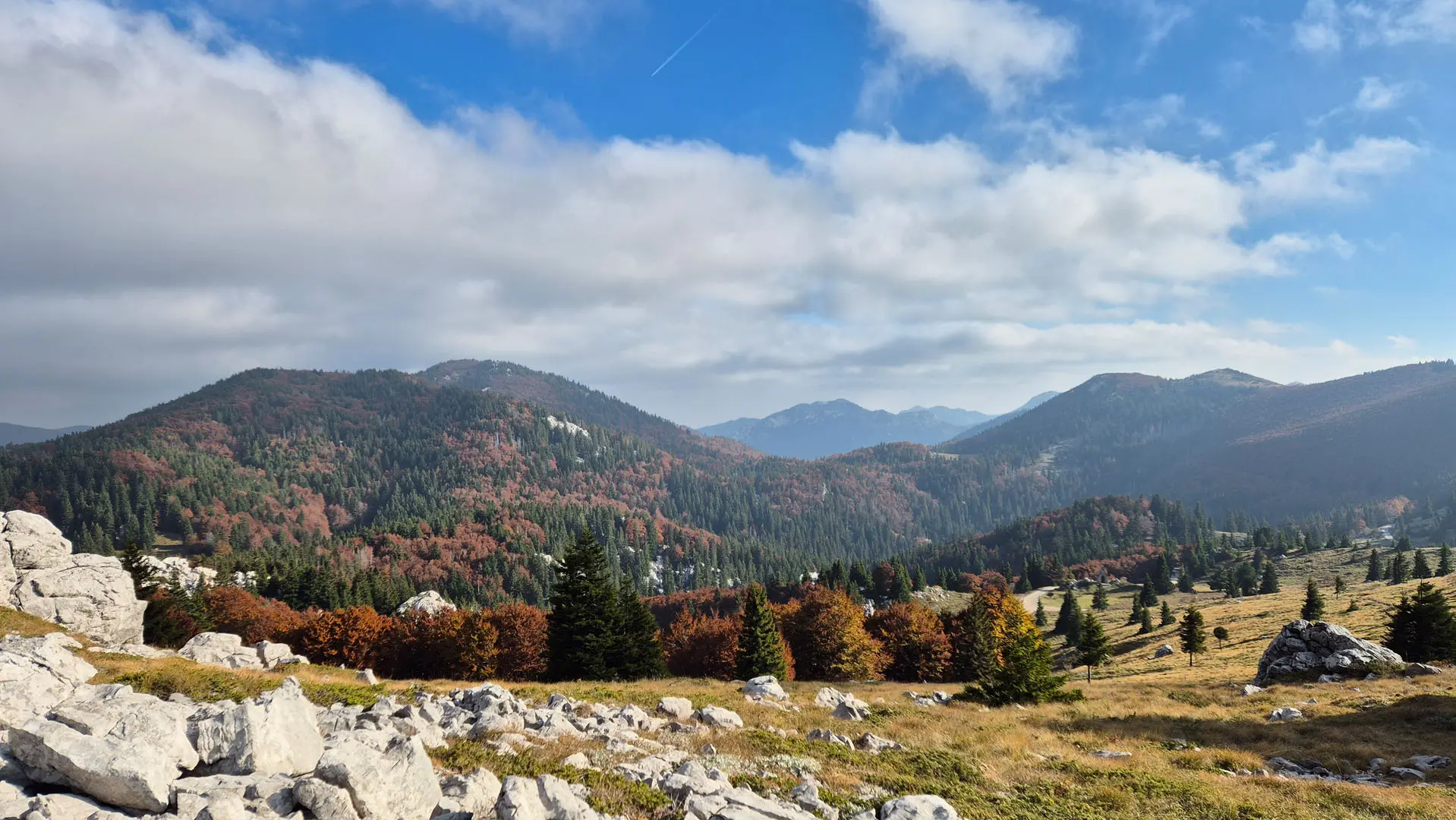
The nature we walk through is incredible. The whole time you are accompanied by the feeling that you are in a special place. Stone “sculptures” frame pastures dotted with just the right mixture of conifers and broadleaf trees.

Every so often we stop to admire the landscape. After a few hundred metres we turn back towards where we came from and, for the first time, see the hut on the hill above the trail.

Walking on, we come to a junction. The branch to the right leads to the hut. We will leave the hut for later, so we carry on south.

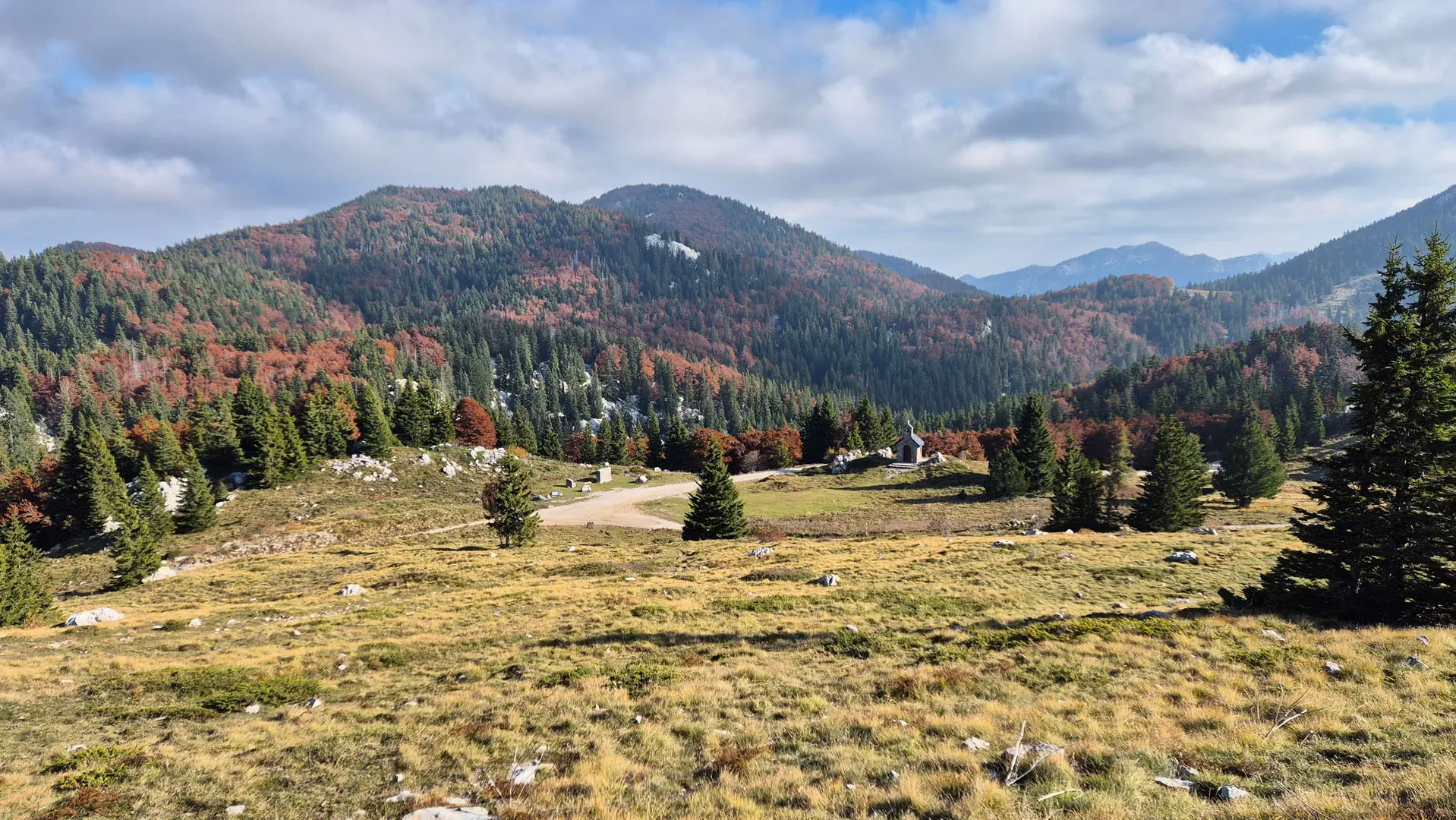
Ahead of us is the chapel of St. Anthony, built in 2000.

The play of sun and cloud has created a scene that is surreal…


We leave the chapel and carry on south.

The next attraction is the Velebit Botanical Garden!
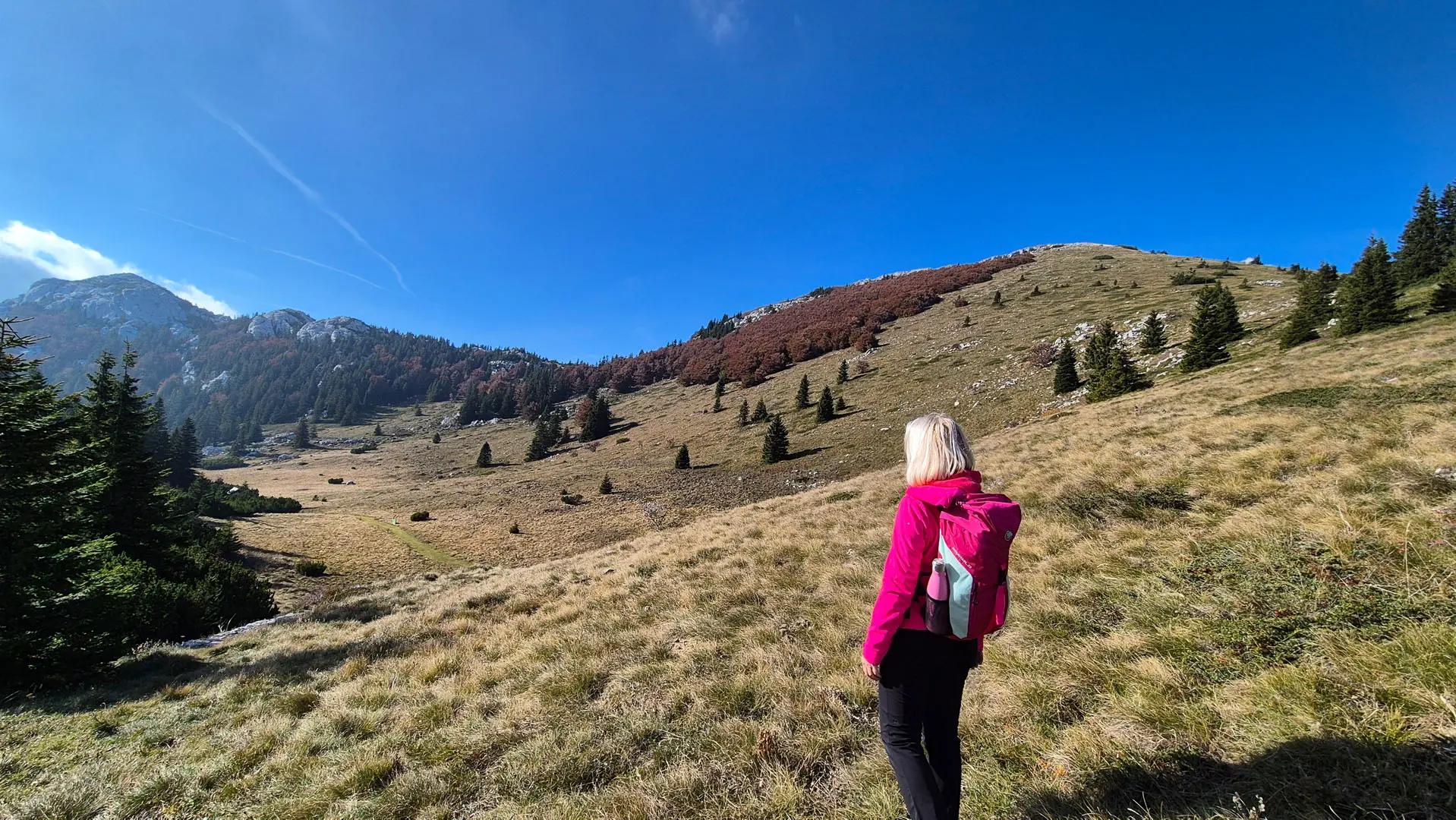

The path is level all the way and pleasant to walk.
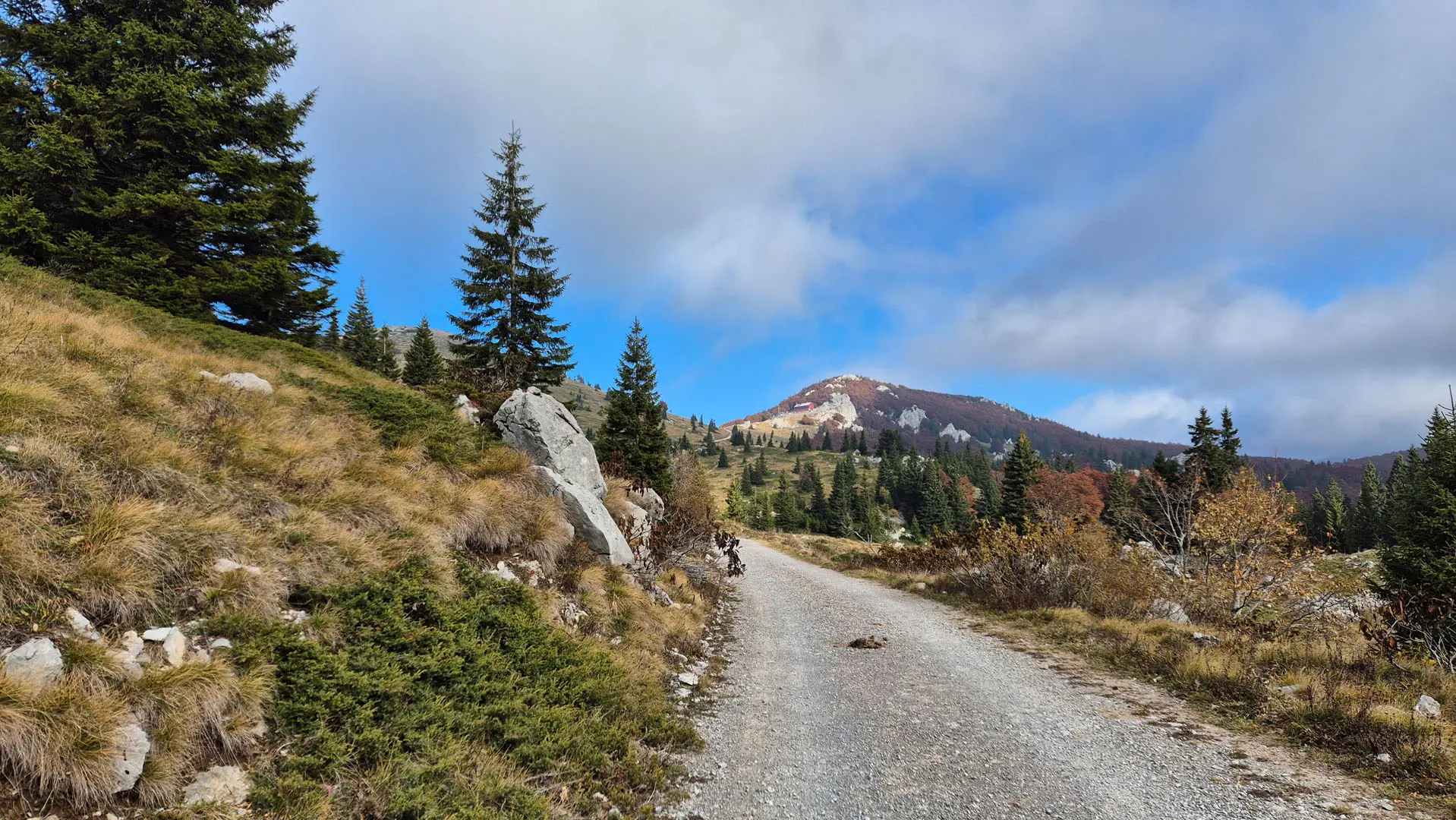
After 1300 m we reach the start of the legendary Premužićeva staza.
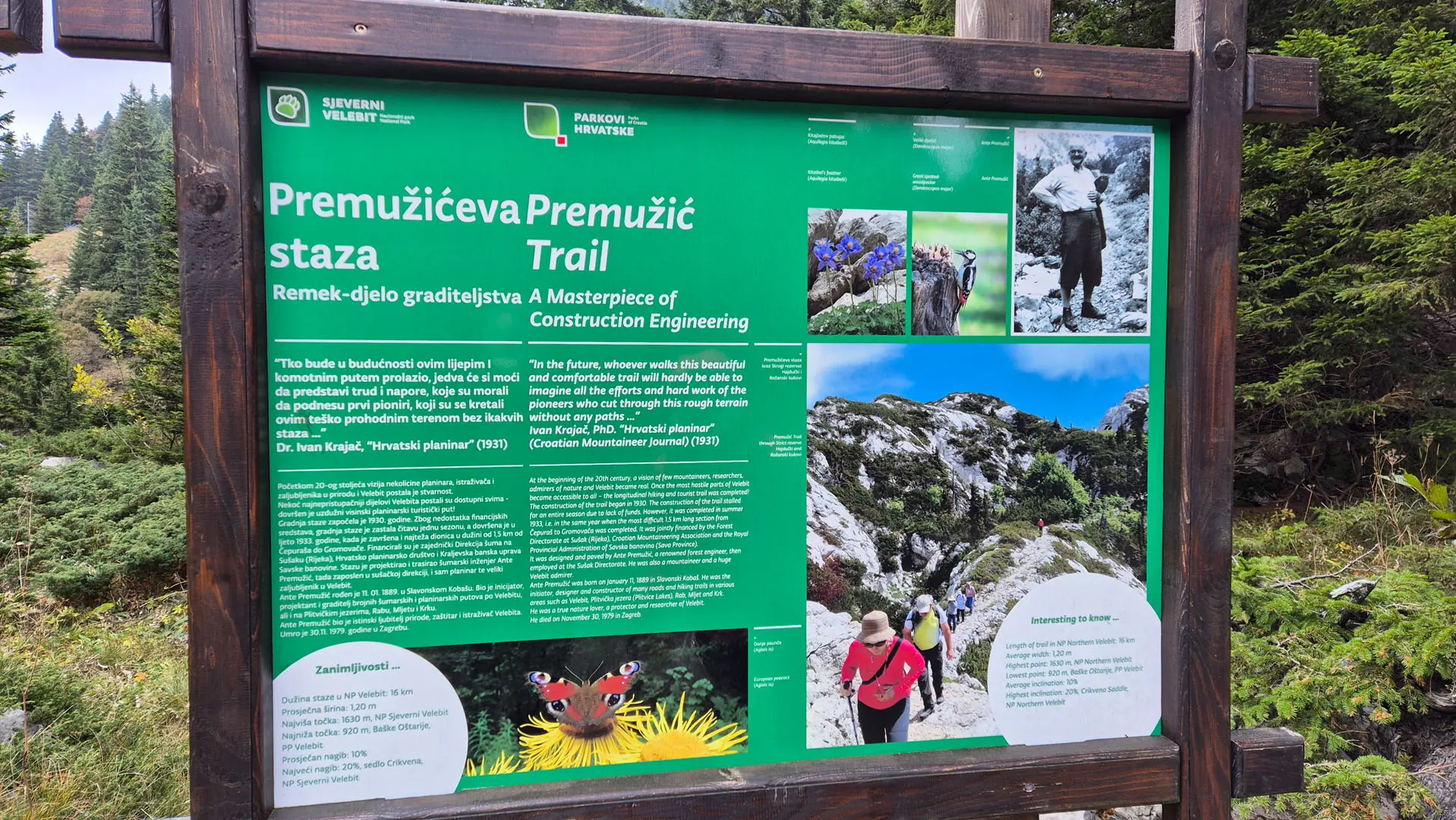
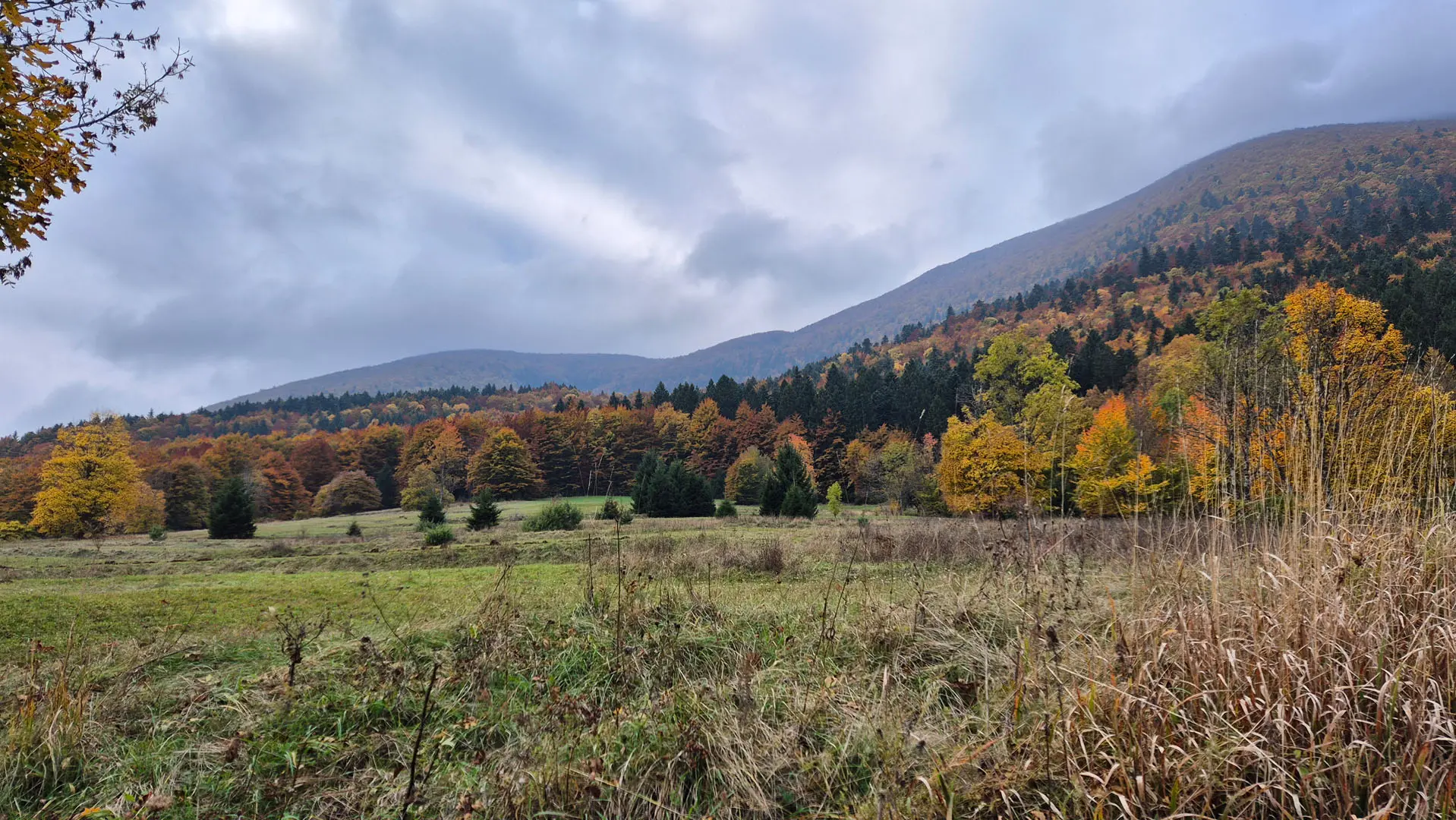
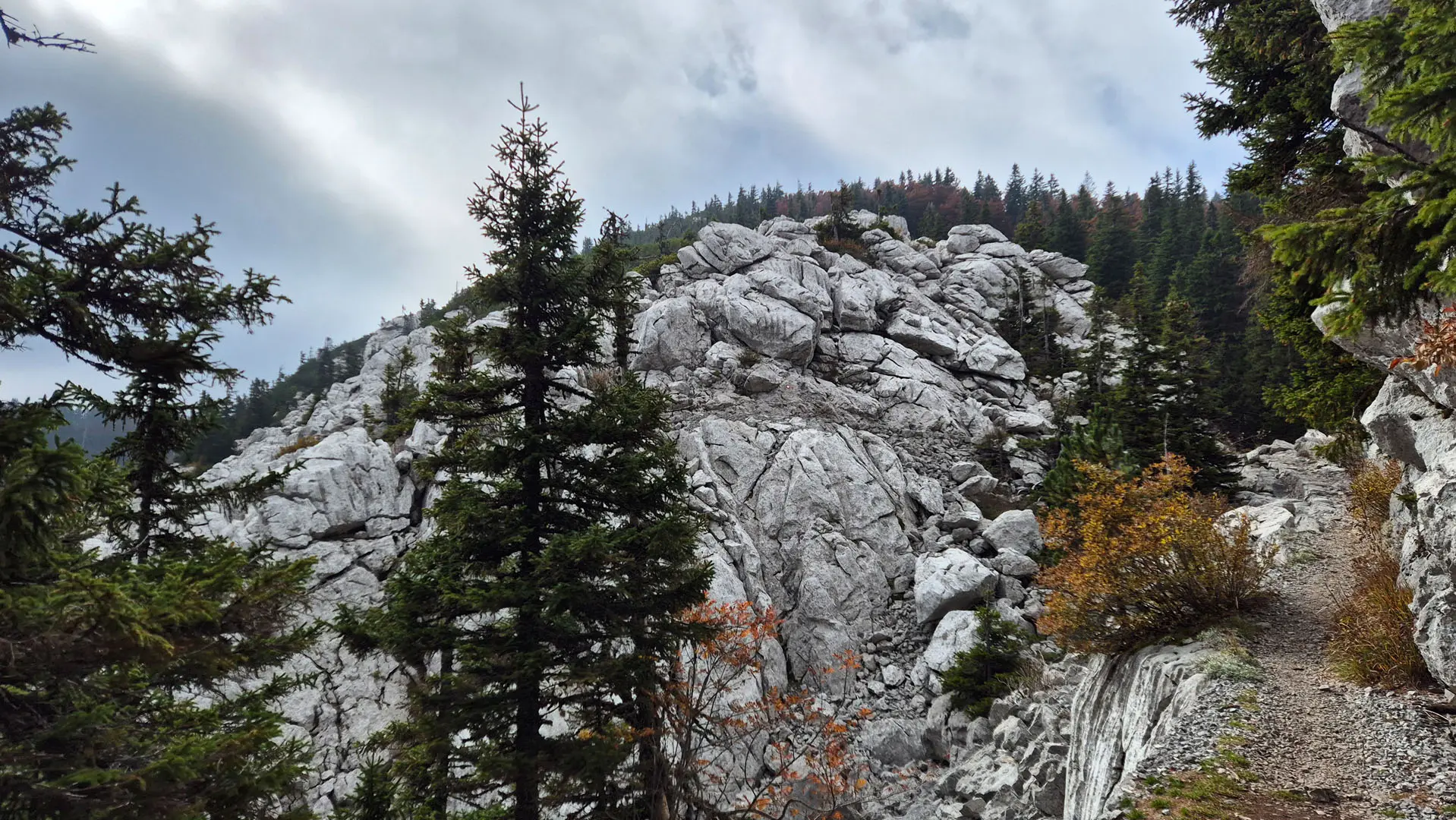
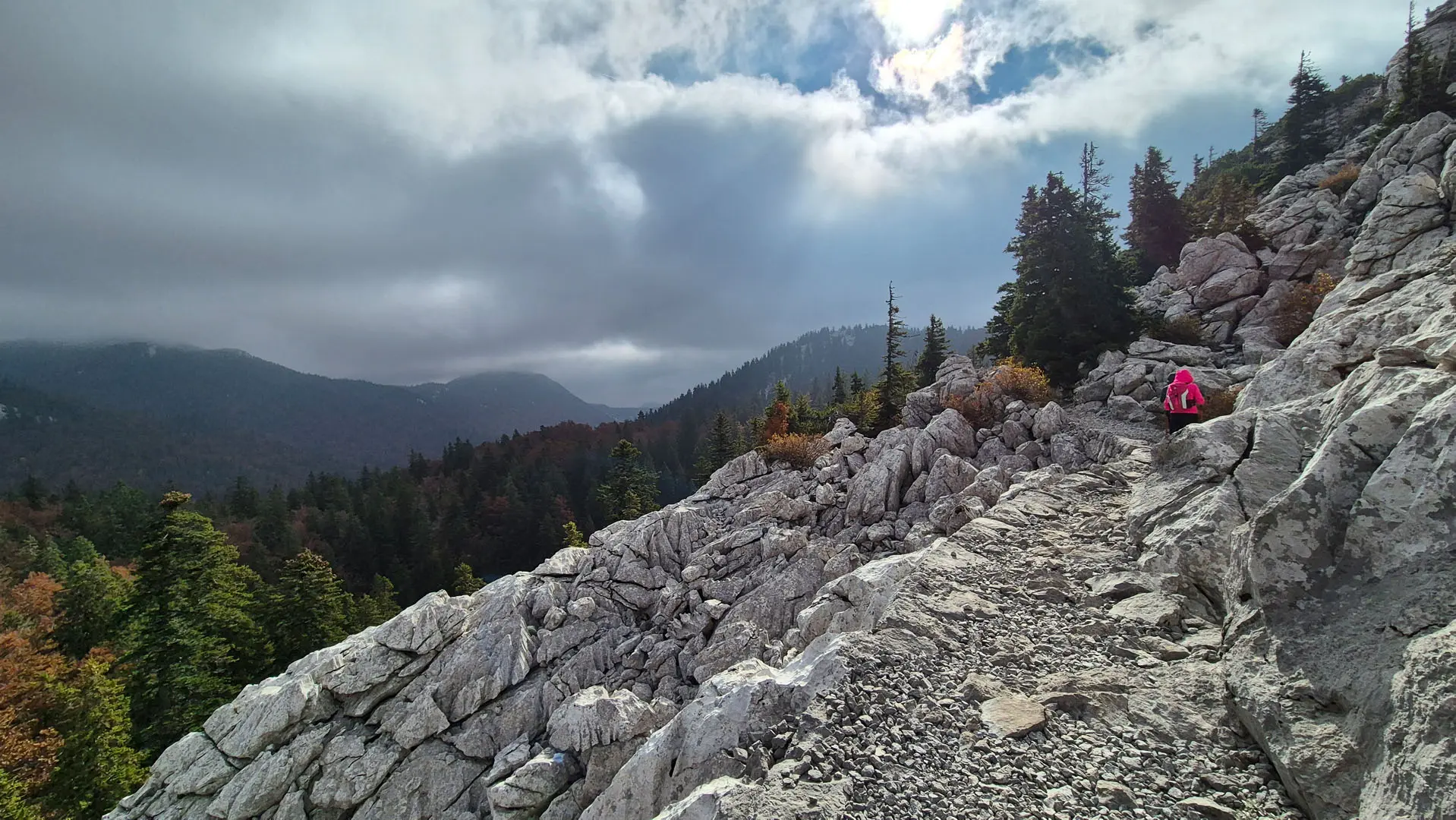
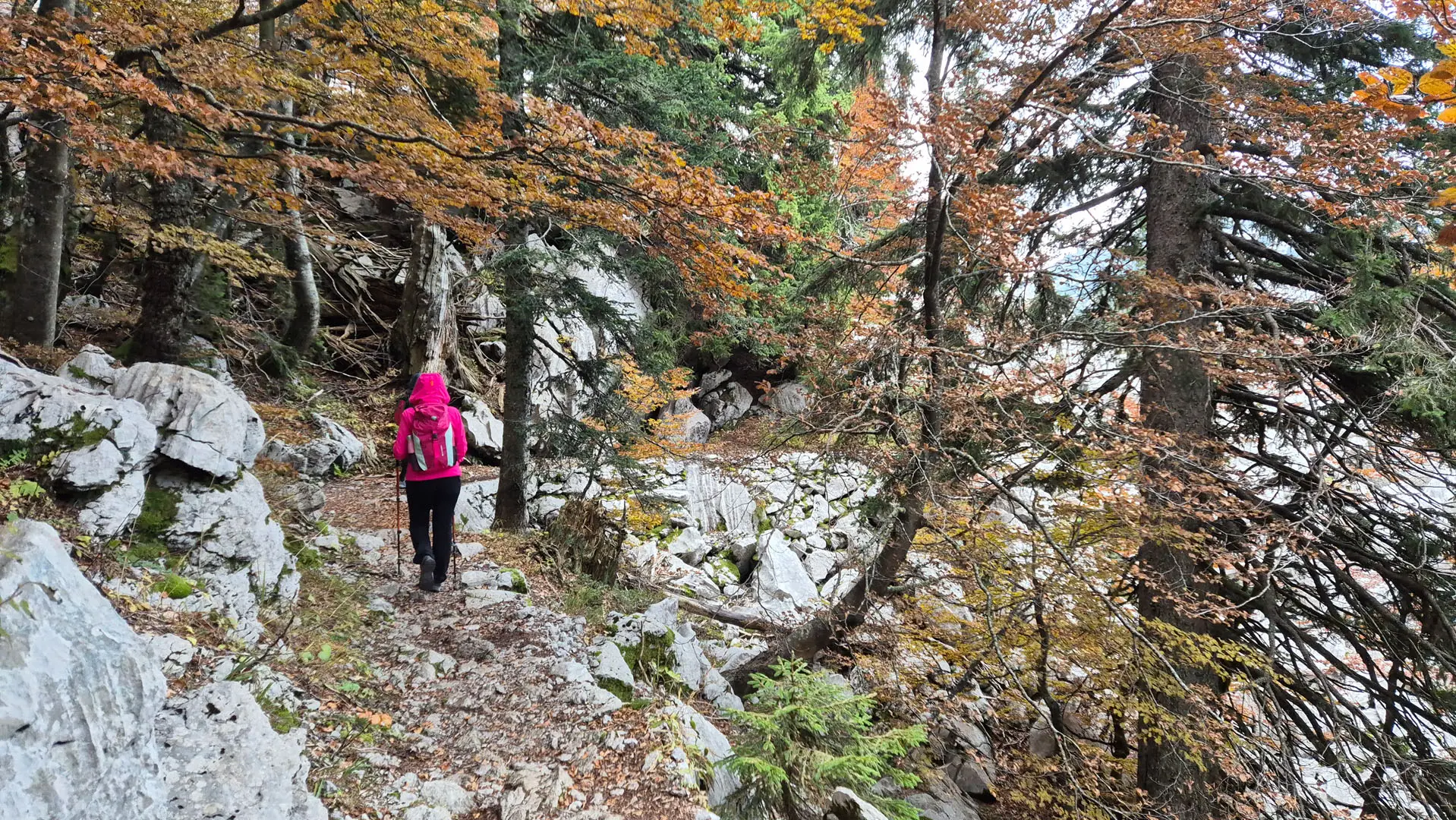
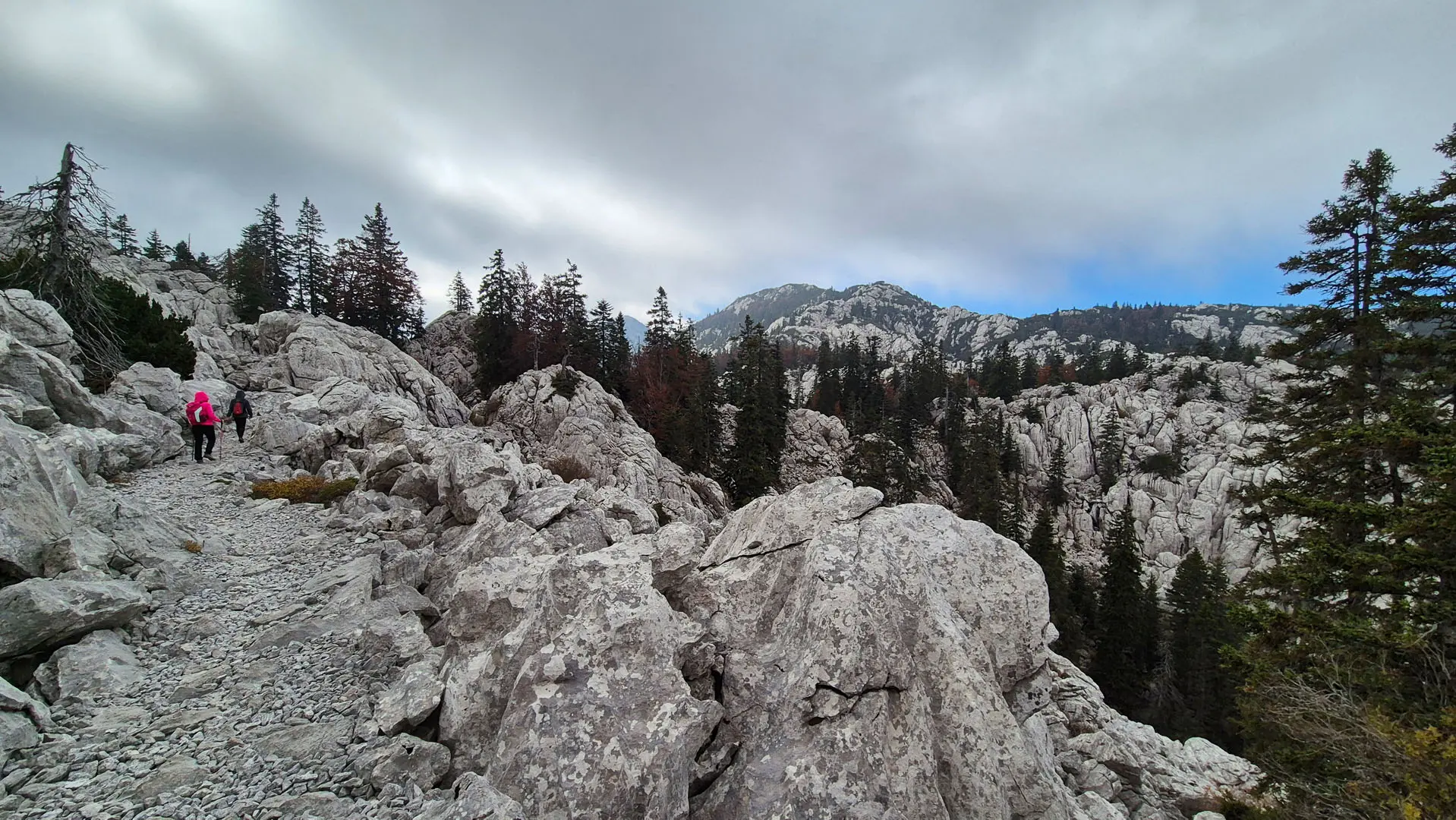
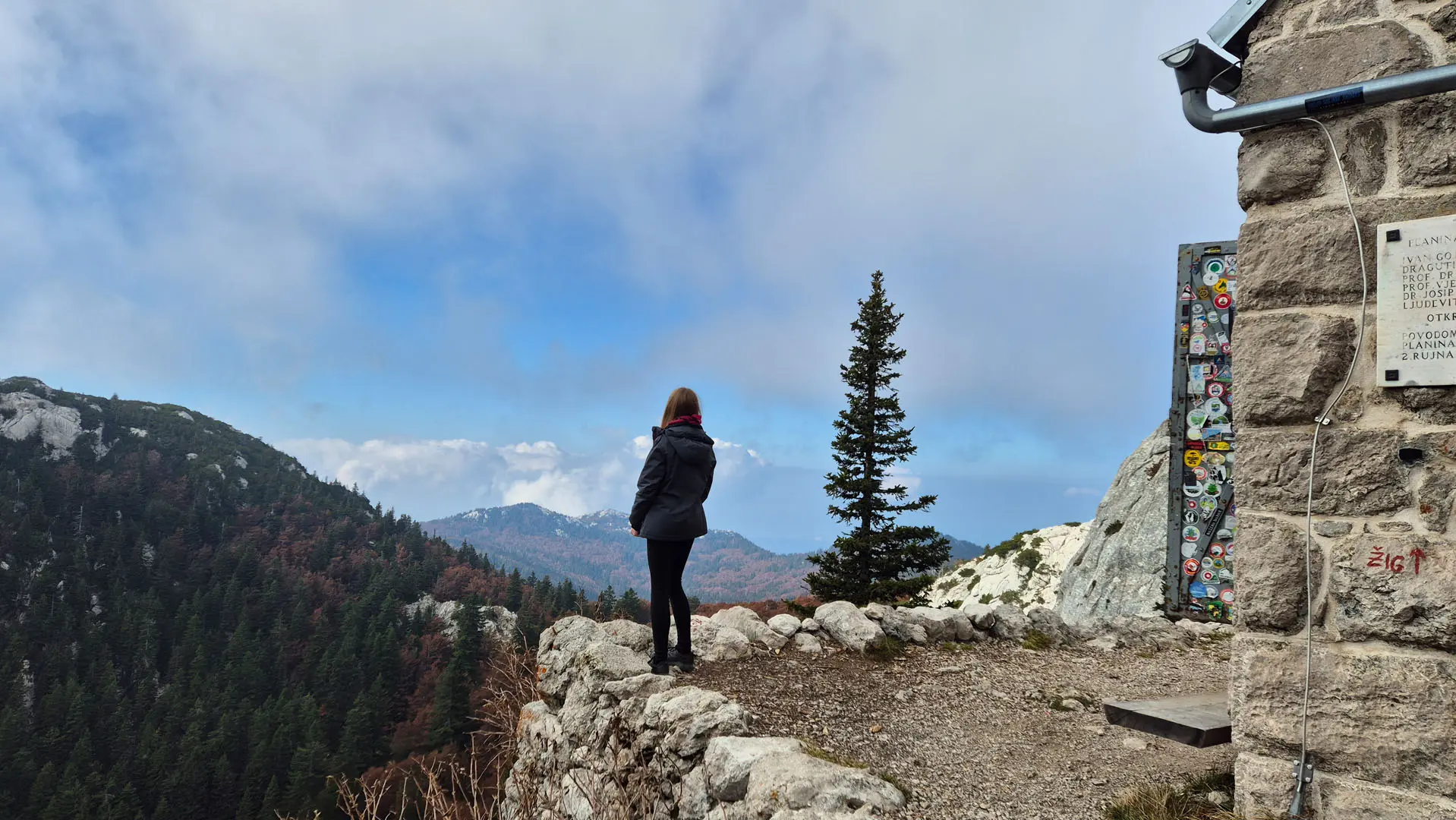
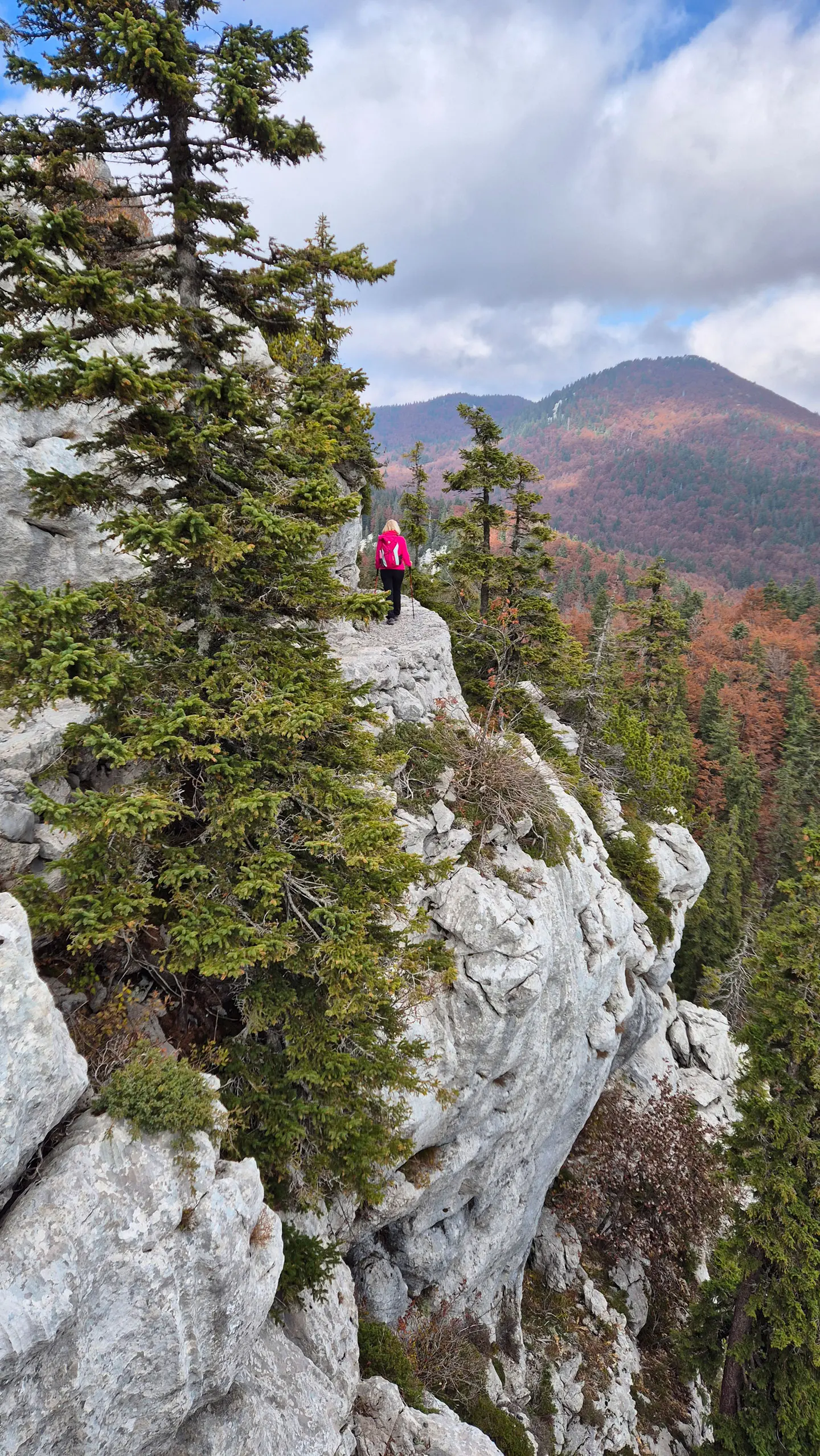
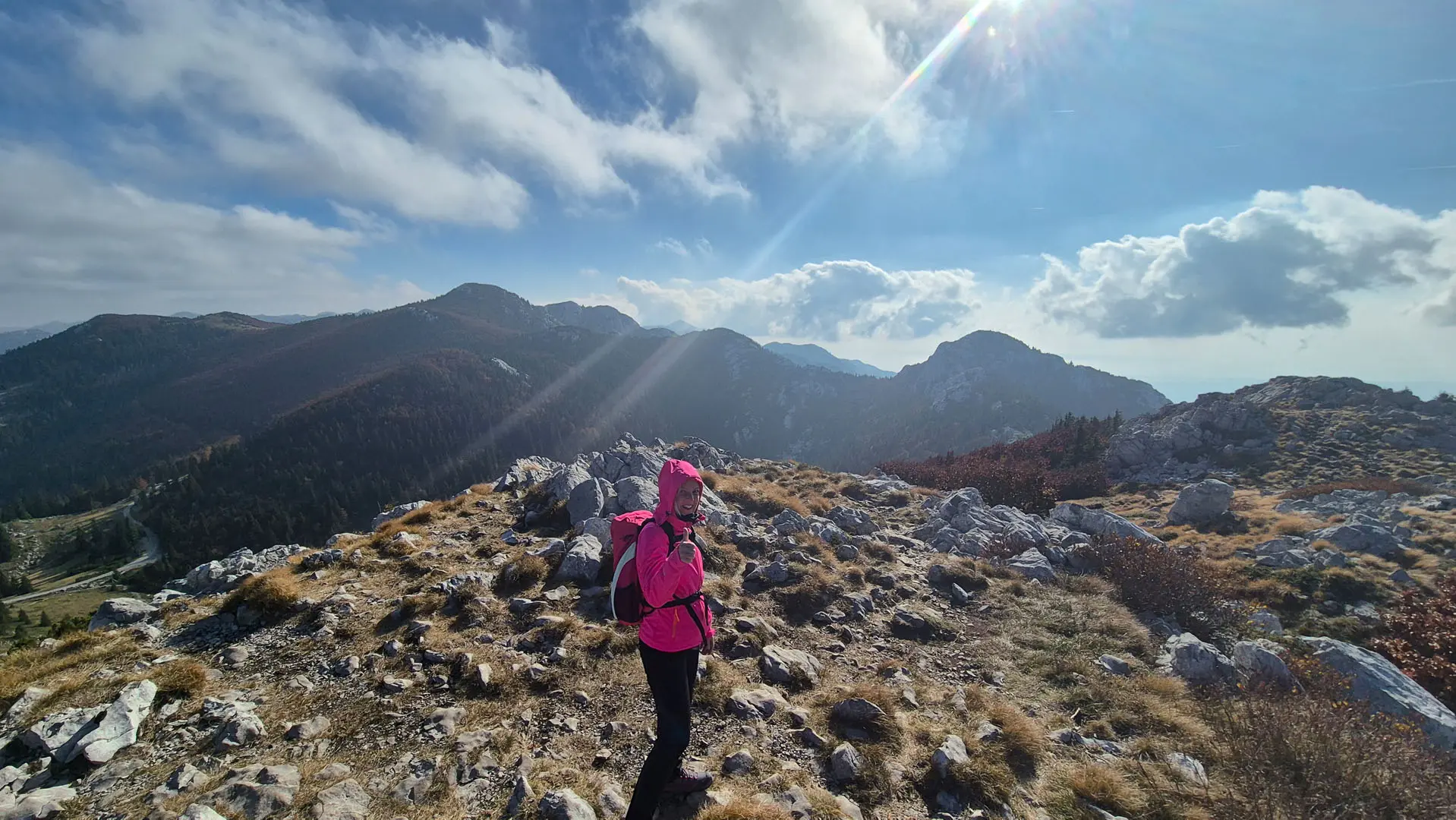
The landscapes that follow one another from here on are grassy, rocky and wooded. And so it goes all the way to Rossi’s shelter, which stands in a truly special spot.
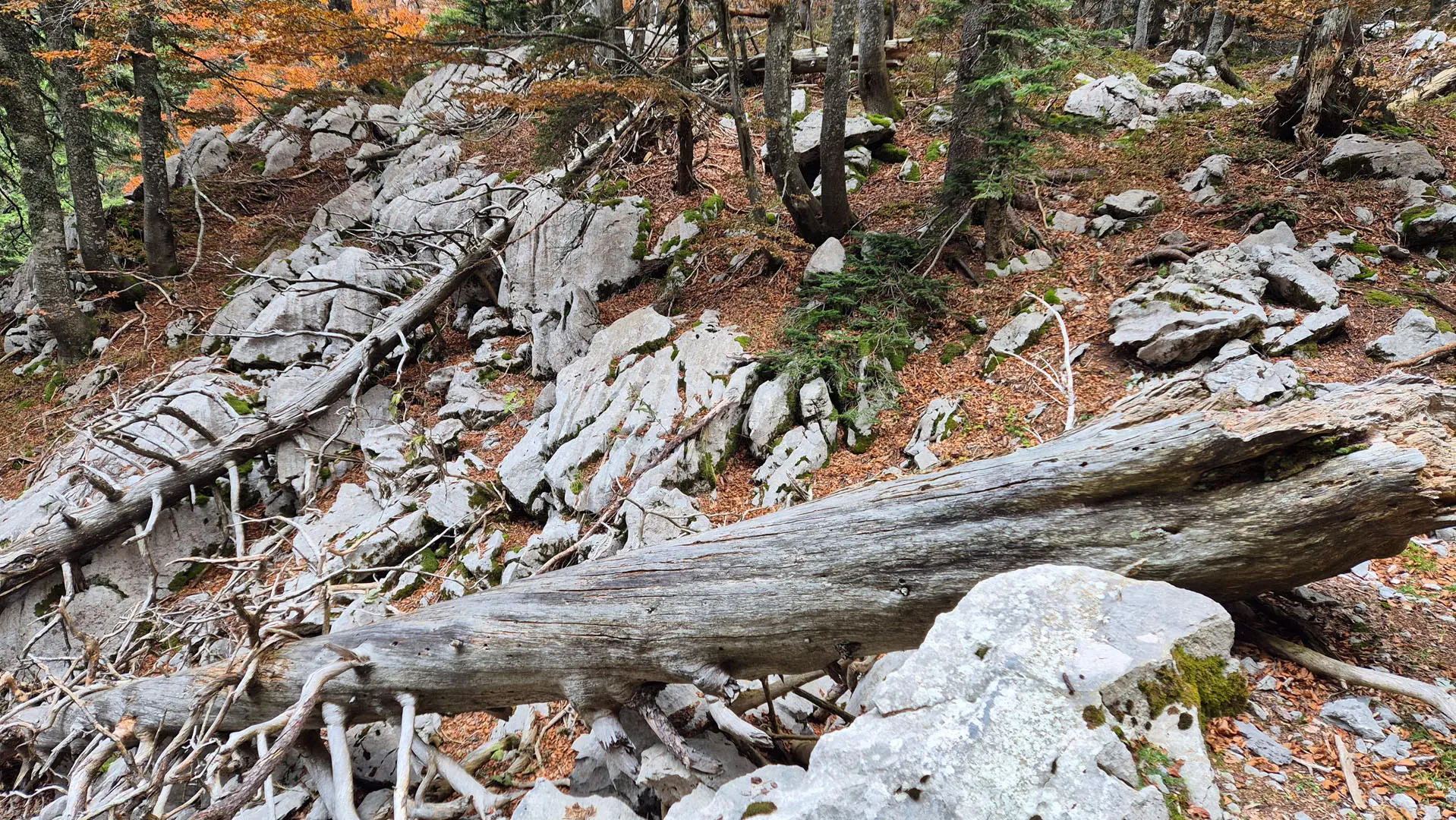
There is no point describing the details, so we will simply let the photographs speak for themselves.
The weather was ideal, variable cloud, neither cold nor too warm, just right. At the end of the day the Bura picked up a little, so from the viewpoint on Velika kosa we dropped down to the Zavižan hut and warmed ourselves up with hot home-made tea.





















Special
Although our focus is on Croatia, due to great interest in reviewing some international locations from our travels, we decided to launch the Special section. In it, we will not cover locations in the same detailed way we do with Croatian ones, but will instead provide a brief overview of multiple locations grouped into meaningful categories. The only criterion we still strictly follow is that they must be natural attractions.

