

Plitvice Lakes
Location: Plitvička jezeraLength: 8 kmDifficulty: EasyDifficulty rating: K2, T1, VR1
We launched this site with the aim of introducing the public to the lesser-known, and in some cases completely unknown, natural attractions of Croatia. Back then we used to say that the only things we would never write about were Plitvice and Krka (Skradinski buk). The reason? Because everyone knows about those two national parks.
As the number of articles grew, the aim redefined itself. After a while we decided to visit every natural attraction in Croatia and give our own account of it. And so the turn finally came for Plitvice Lakes!

The average Croatian visits Plitvice a few times in the course of a lifetime, but there are certainly those who never have. So what is Plitvice actually like? Is it really the most beautiful national park in Croatia, or even in the world, as foreign visitors are fond of declaring in their posts?
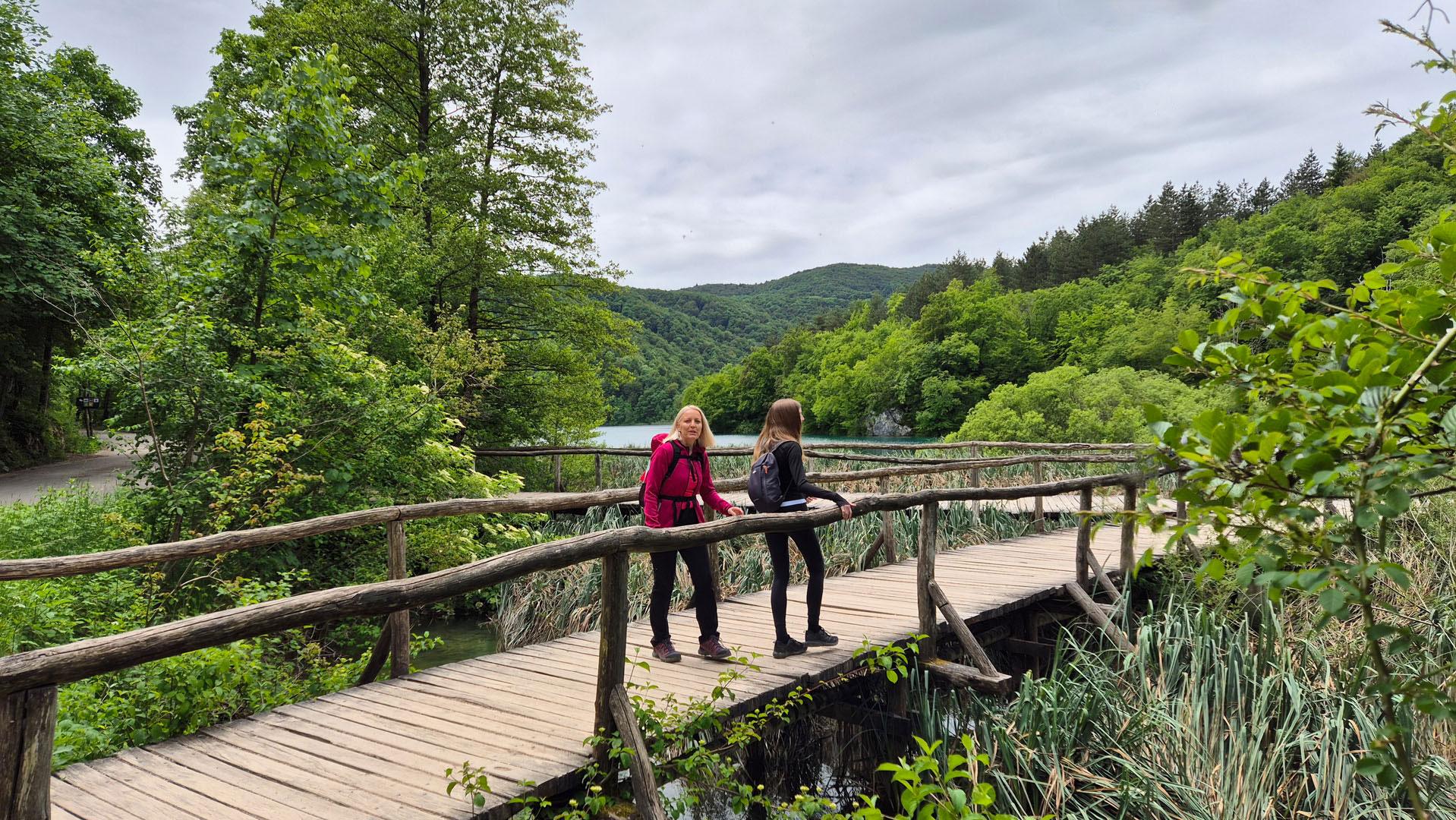
Plitvice has always been an institution in its own right! Our oldest national park in continuous existence (Paklenica is older, but lost the status for a period), it has always stood out for its excellent organisation and infrastructure. I still remember from childhood all those signs, trails, little huts, boats, “little trains”…
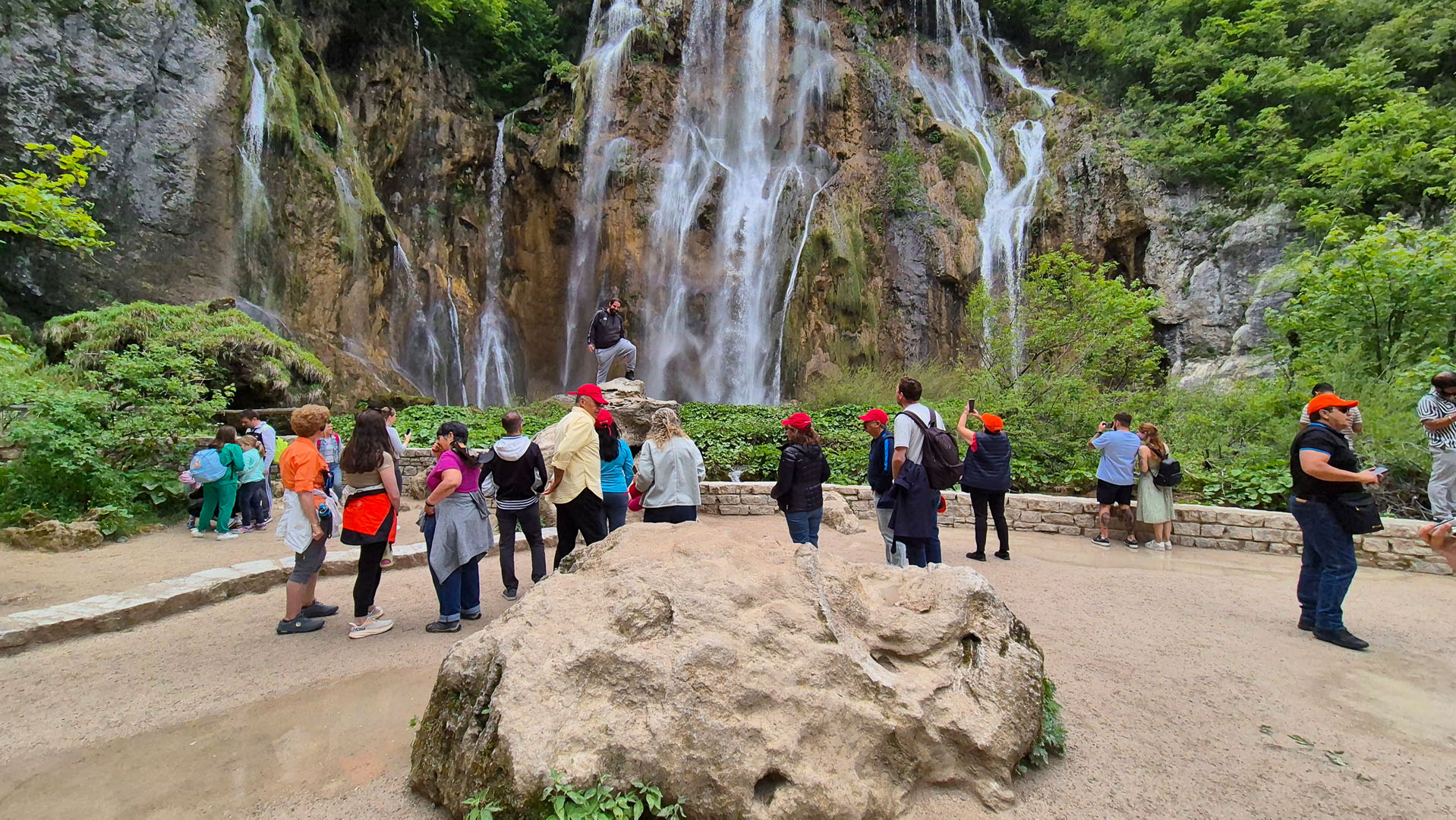
No other national park in Croatia is anywhere near as well maintained and organised, which matters enormously in an era of steadily intensifying tourism. The infrastructure, however, is not what people come to Plitvice Lakes for. It is there to help as many people as possible see all the natural wonders Plitvice holds, in as short a time and as simply as possible. And that is precisely where the first problem we want to point out lies. The tourist crowds stretch across almost the entire year! If you are not used to crowds on that scale, it will certainly come as a shock.
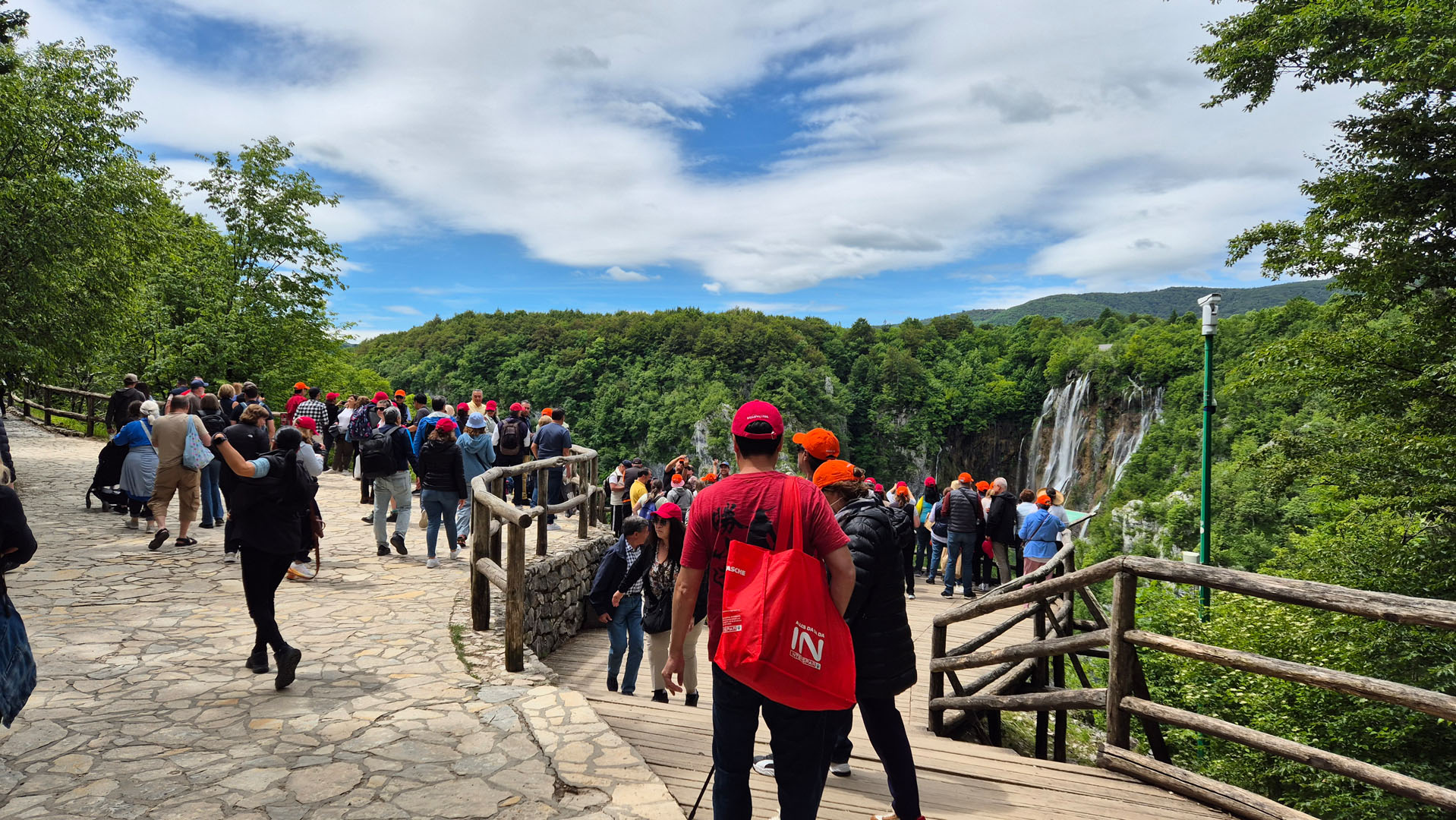
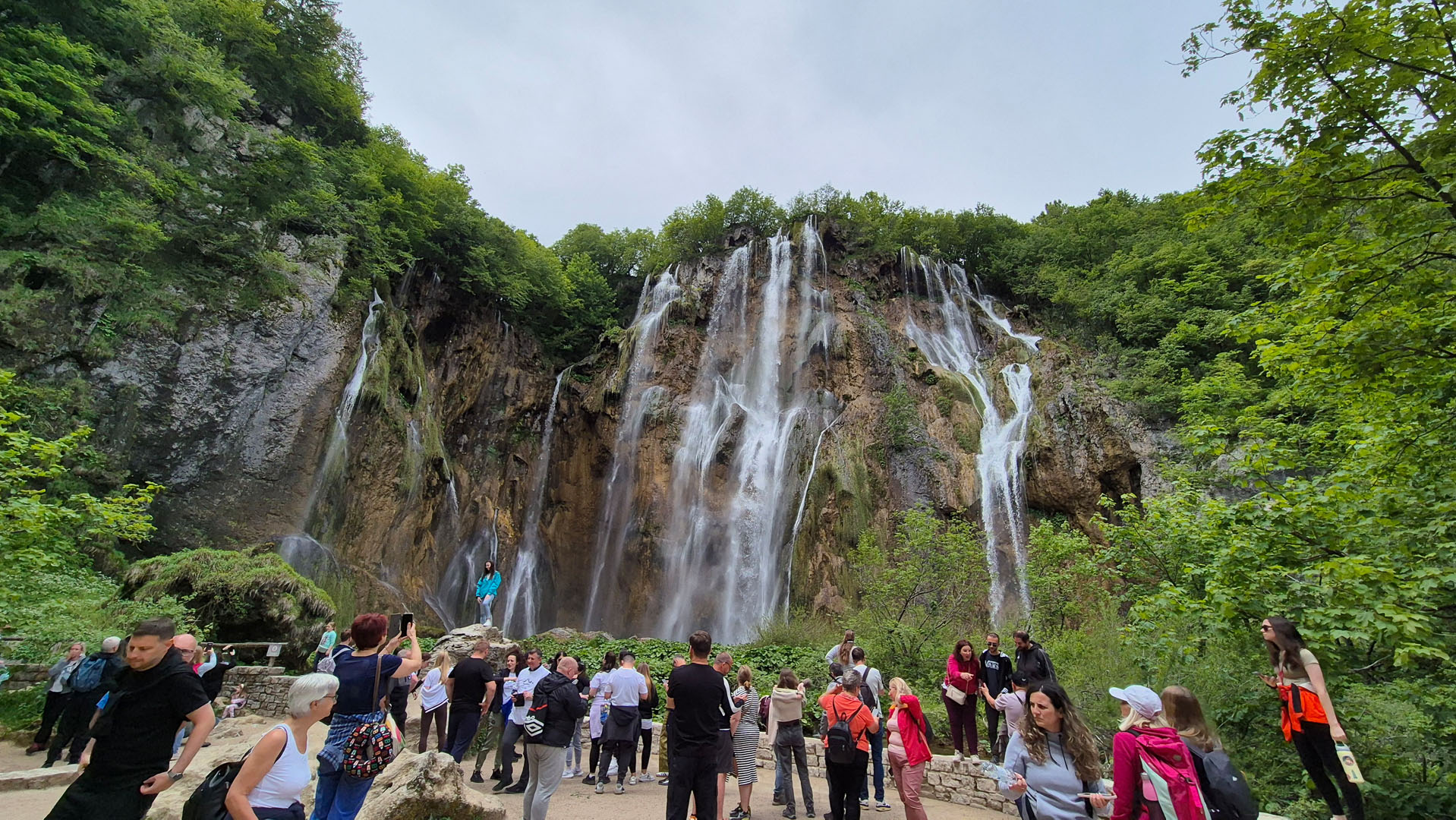
The park management has gone to considerable lengths to spread that huge demand as well as it can across two widely separated entrances and one-hour time slots, which you choose when buying tickets online (online purchase is compulsory). Although the website states that the chosen slot must be strictly observed, in our experience nobody will hold it against you if you turn up a little early, and the same probably goes for being late within reasonable limits.
Outwitting the crowds
Besides the park management, you can try to fight the crowds yourself. The usual rule of thumb is to arrive as early as possible. The biggest crowds start to build as midday approaches and visitors arrive from more distant starting points – Zagreb and Dalmatia.
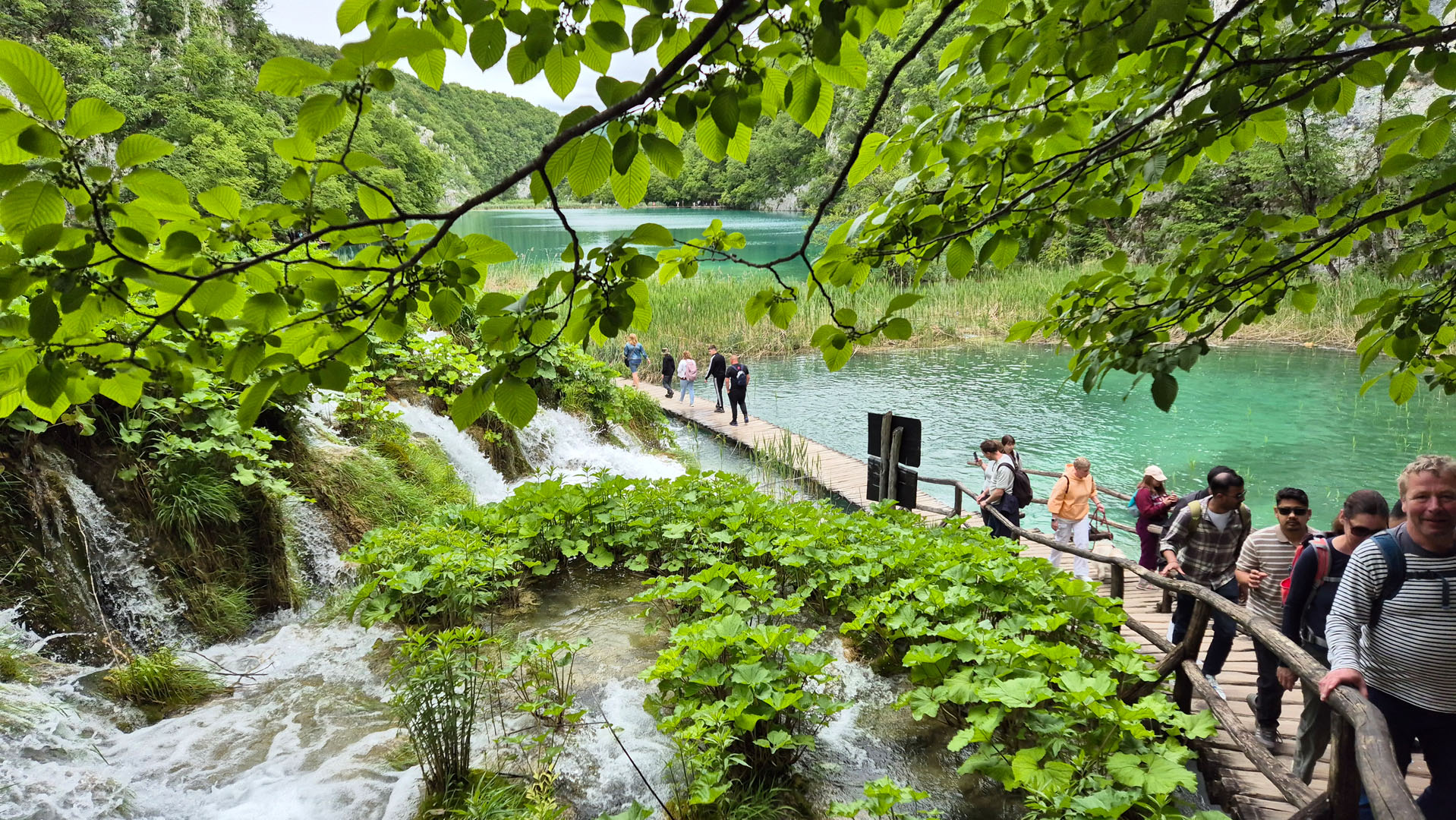
You will notice that the heaviest congestion forms at certain points, such as the popular viewpoints over the Lower Lakes, the picnic areas around the boat landings, the turning points for the “little train” and so on. There are parts of the park that see fewer visitors even at the height of the season, especially around the Upper Lakes. They certainly involve some trade-offs, but by combining the busier and quieter parts of the park sensibly, you can avoid the worst of the frustration.
It is also worth choosing dates as far outside peak season as possible. Which raises a legitimate question: what time of year is actually best for visiting Plitvice Lakes?
When is the best time to visit Plitvice Lakes?
Winter
Purely from the point of view of avoiding crowds, winter would be the ideal time to visit. If you want to experience Plitvice in its full beauty, however, winter may not be ideal at all.
In winter the waterfalls are usually full of water, which is good. That is especially true in the second half of winter, if there has been heavy rain and the snow has begun to melt. The problem is that the vegetation around the lakes is mostly deciduous, so in winter the park looks rather forlorn. That is particularly pronounced in cloudy weather, when everything is grey and bare. It is quite another story when snow blankets the lakes and the waterfalls freeze over. Then the whole thing looks miraculous! If the park is open to visitors, you can witness a genuine winter fairy tale!
Spring
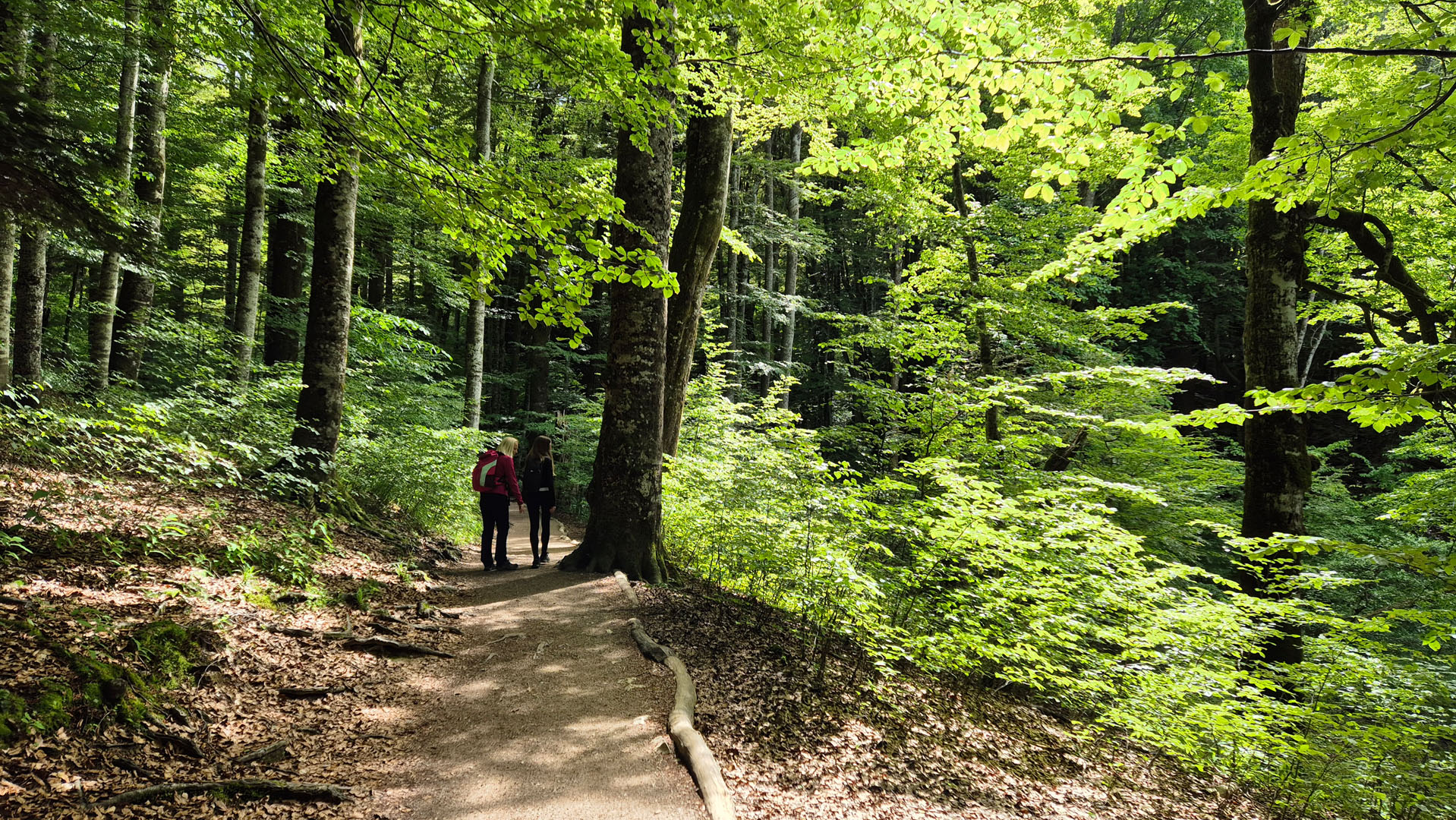
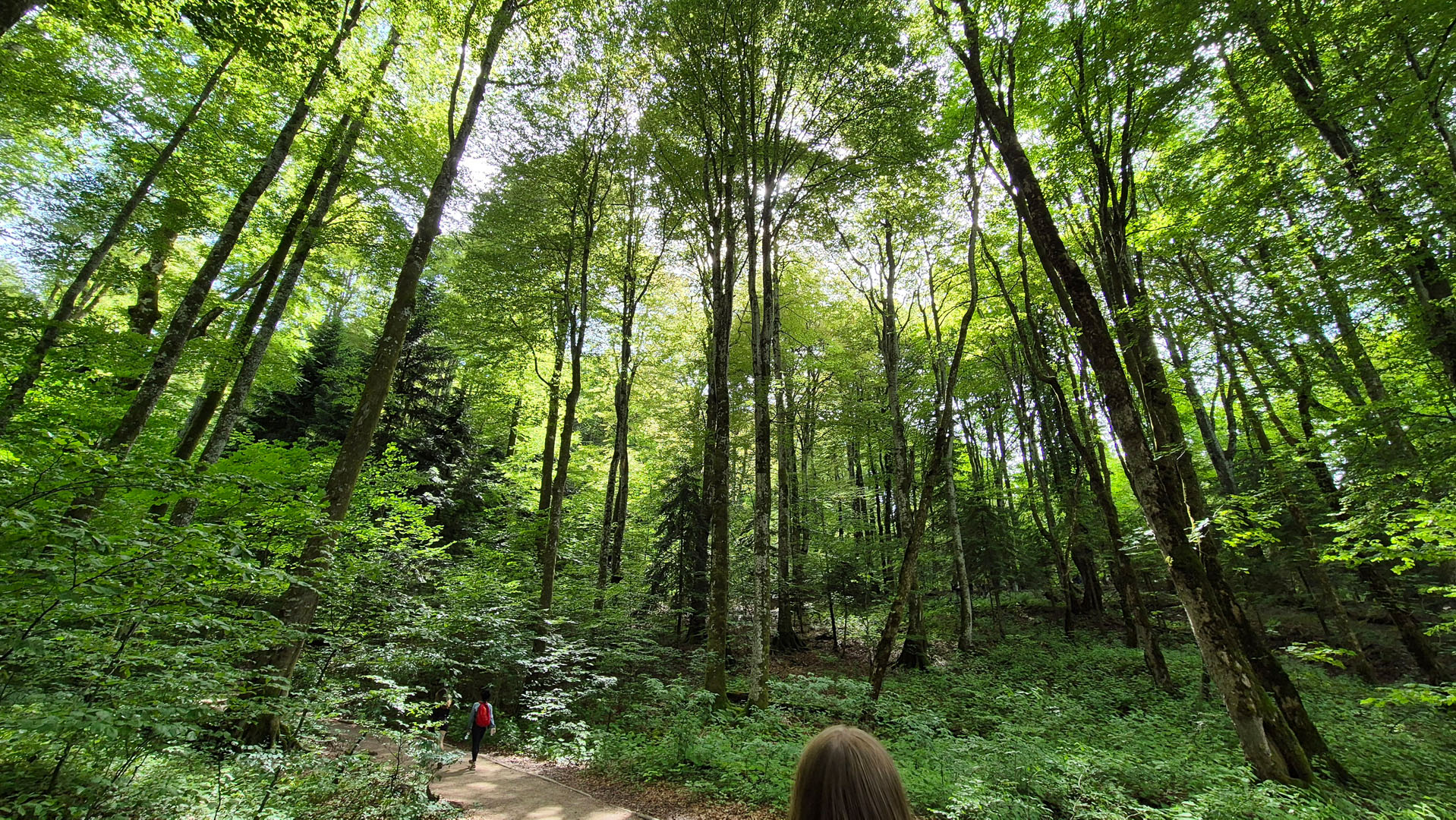
In spring the water level is still high and the waterfalls are full and powerful. Nature slowly wakes up (and so do the visitors), more and more as April goes on. By May you can count on 80% of the trees having come into leaf and the forests around the lakes looking beautiful. Late spring brings us close to the summer solstice. Temperatures can already become uncomfortable for longer walks, and hordes of tourists make getting around harder.
Summer
We would avoid summer. Everyone heading to the coast will try to fit Plitvice in as well. Temperatures are high, the crowds are as big as they get, and the waterfalls are already flagging.
Autumn
Autumn can be magical and it is our favourite season for day trips. Or at least it was before “global warming”. Nowadays summers stretch deep into autumn. The whole of October is usually too warm, so we would rather be swimming in the sea. The crowds have eased off somewhat, but if early autumn is just a continuation of the summer drought, the waterfalls will be very “thin”. The end of October and the beginning of November are usually the period when nature wraps itself in a golden cloak. I will never forget driving across Plitvice with the car showered in a rain of golden leaves. Those are the moments when nature creates the magic of an instant. The second half of autumn, if it has already seen heavier rain, is one of the loveliest periods to spend at Plitvice. The weeks before winter arrives do leave the canopies thinner, but that is far from saying it is no longer beautiful.
How is a visit to the park laid out?
Plitvice Lakes National Park has two official entrances – Entrance 1 and Entrance 2.
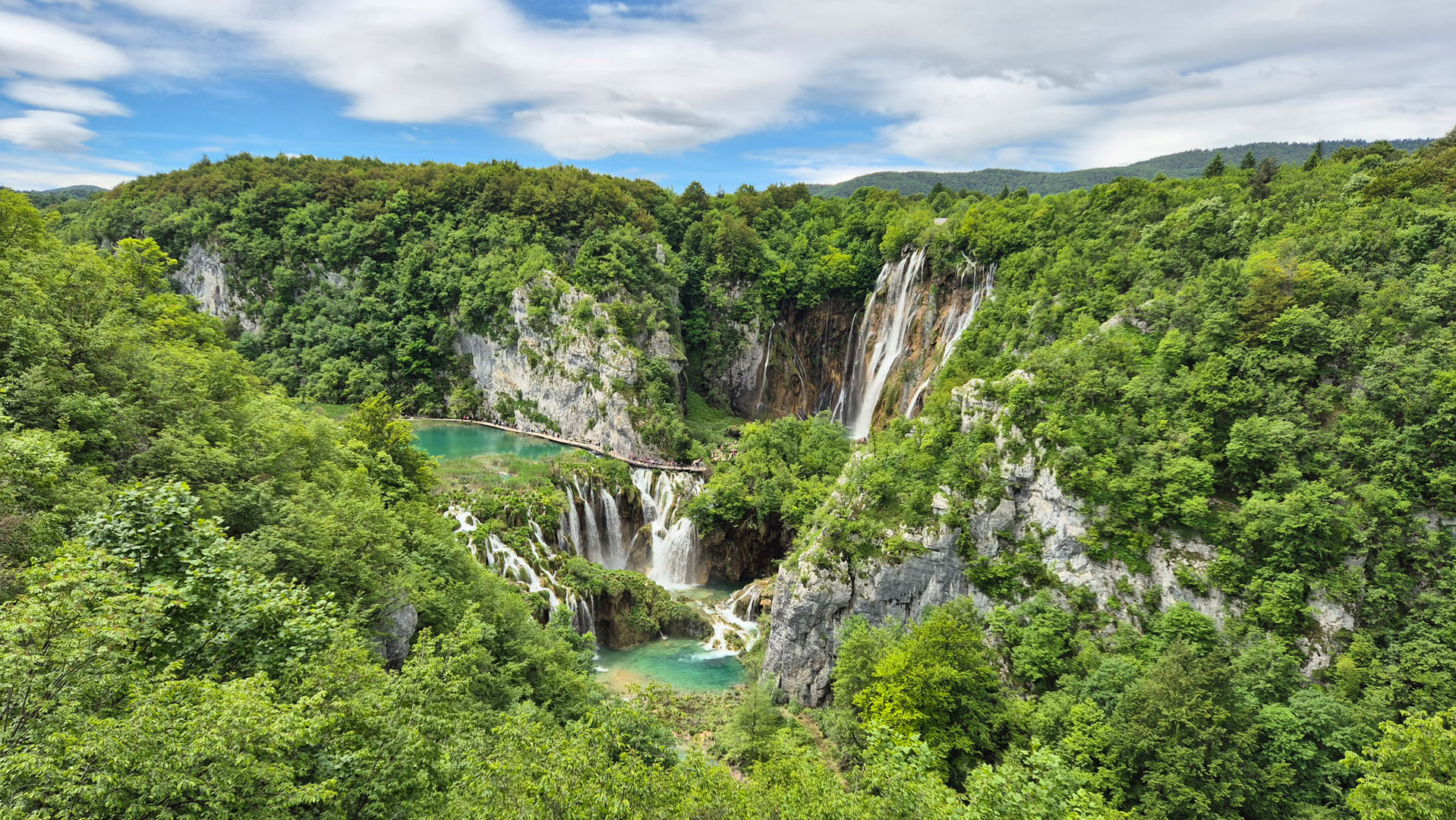
Entrance 1 is the one closer to Zagreb. It sits at the very downstream end. This is where you will find the famous viewpoint looking out over the park’s “finale”, with Veliki slap (the “Great Waterfall”) and the “symphony orchestra” of falls around it. It is the place where the river Korana is born and where the crowds are at their worst. It is like arriving at Krka by boat from Skradin and seeing Skradinski buk straight away (our favourite route).
Entrance 2 is in the area of the Upper Lakes. It is like arriving at Krka by road from the car park (our favourite route a long time ago).
Is it better to work your way slowly up to the finale, or to flick through the book and read the ending first? Although we like reading a book from the beginning and enjoy a gentle build-up to the finale, the analogy does not quite fit here. Entrance 2 is not at the start of the Upper Lakes but somewhere in the middle, so you still have to walk upstream first and then come back down towards the Lower Lakes… Somehow Entrance 1 seems to us the better choice in terms of chronology, even though it is reversed, running from the end towards the beginning – and you also see the most popular attractions earlier, before most of the tourists have arrived.
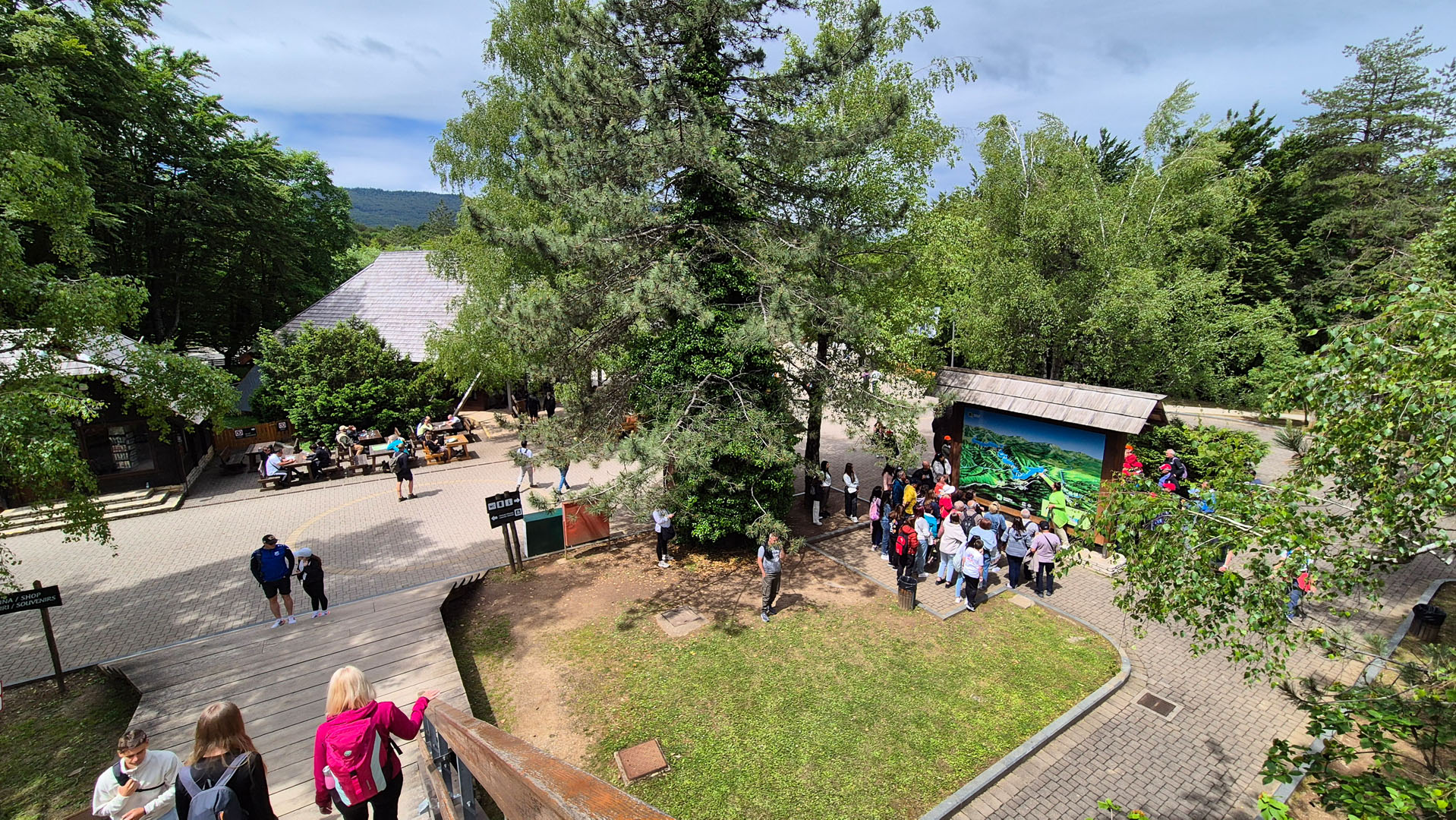
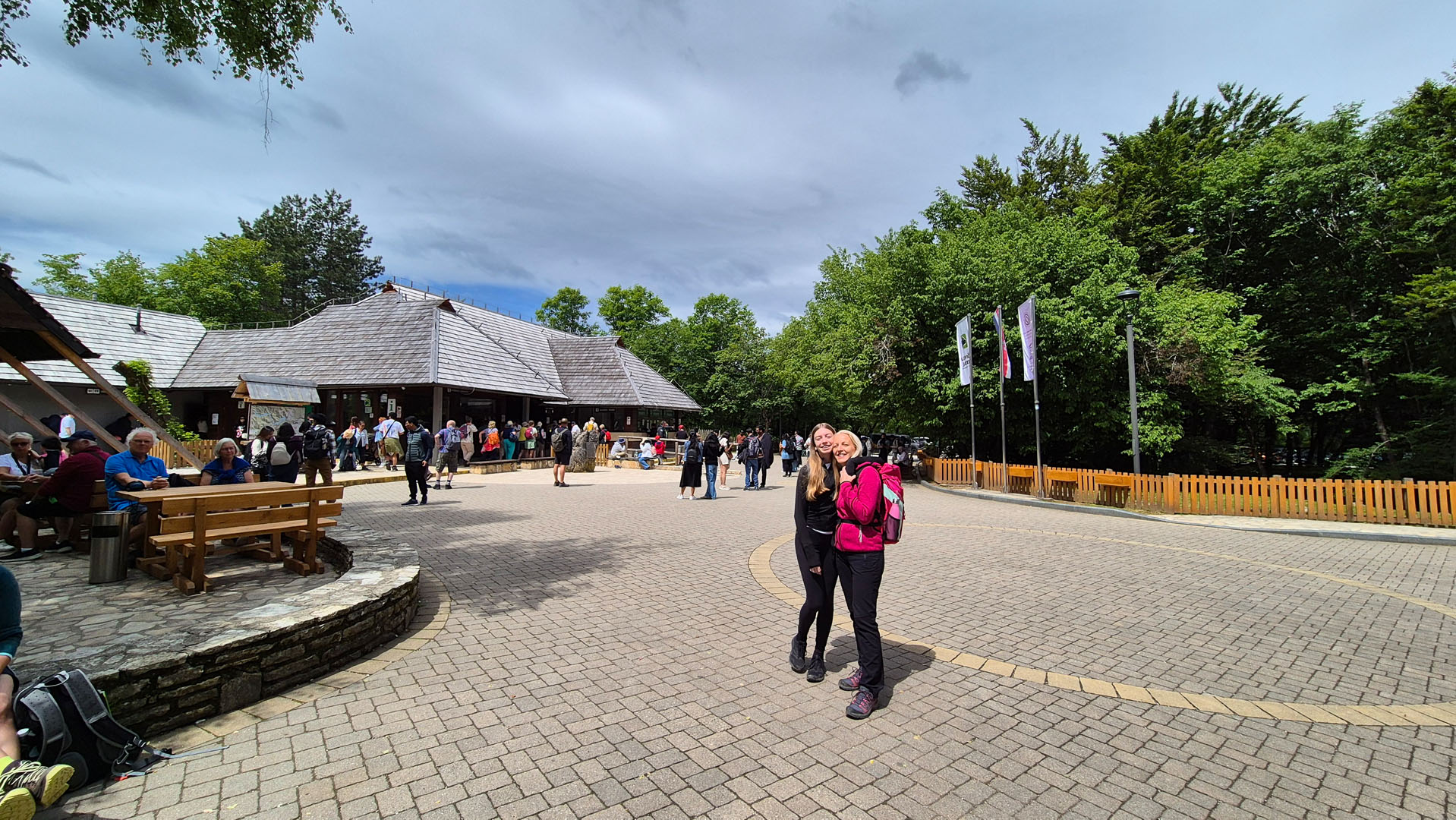
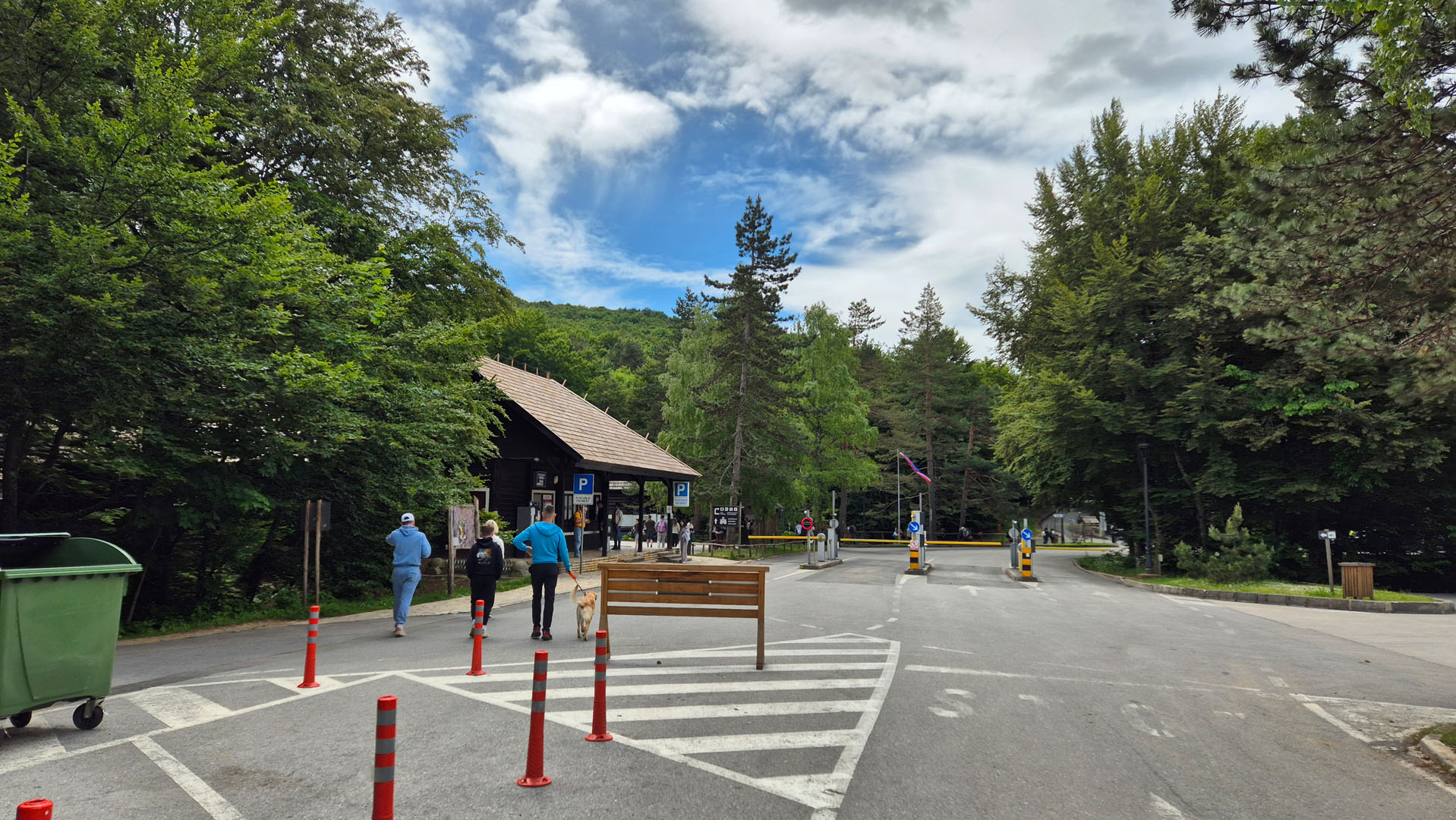
In front of both entrances, on the other side of the road, there are huge paid car parks.
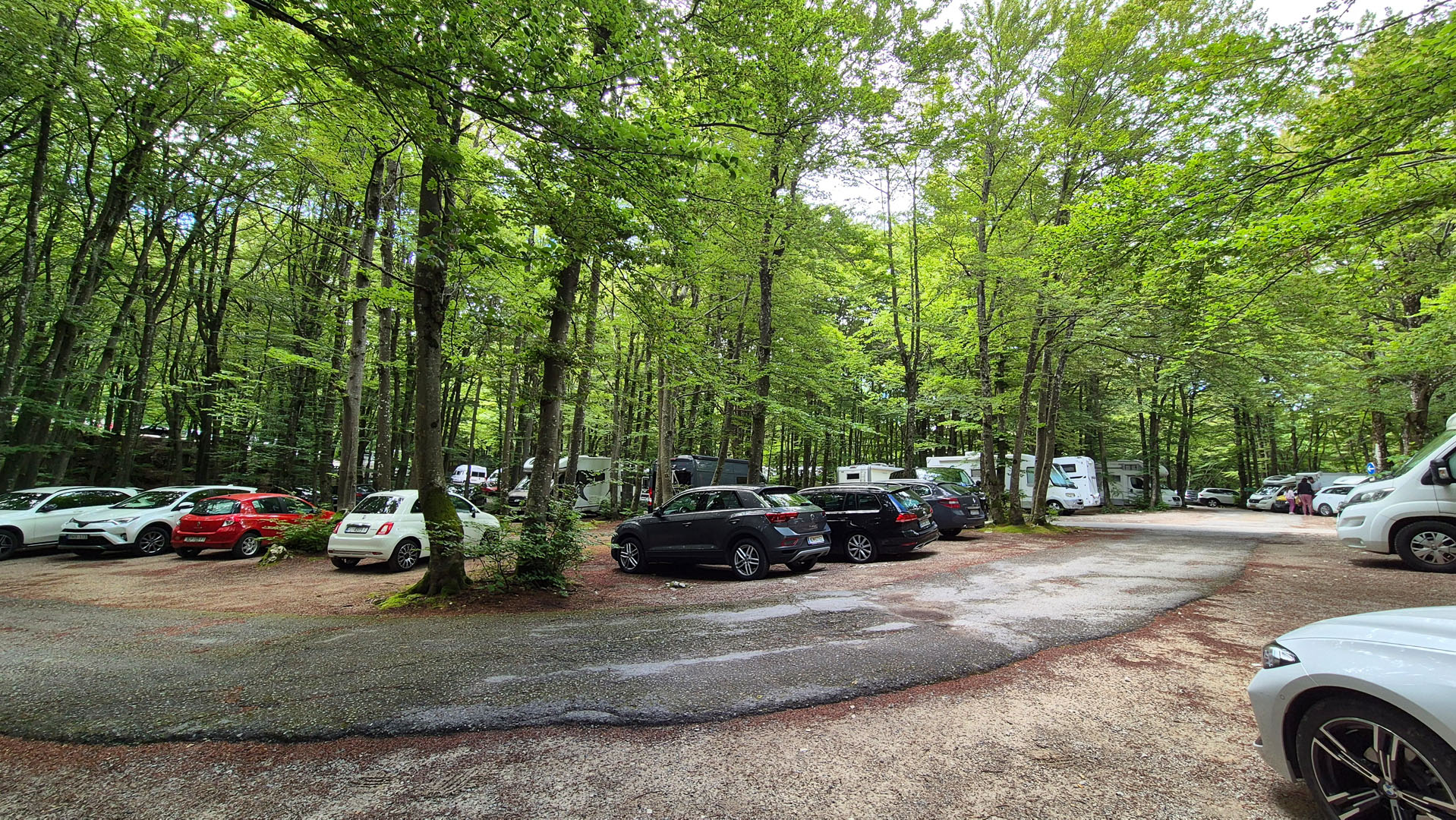
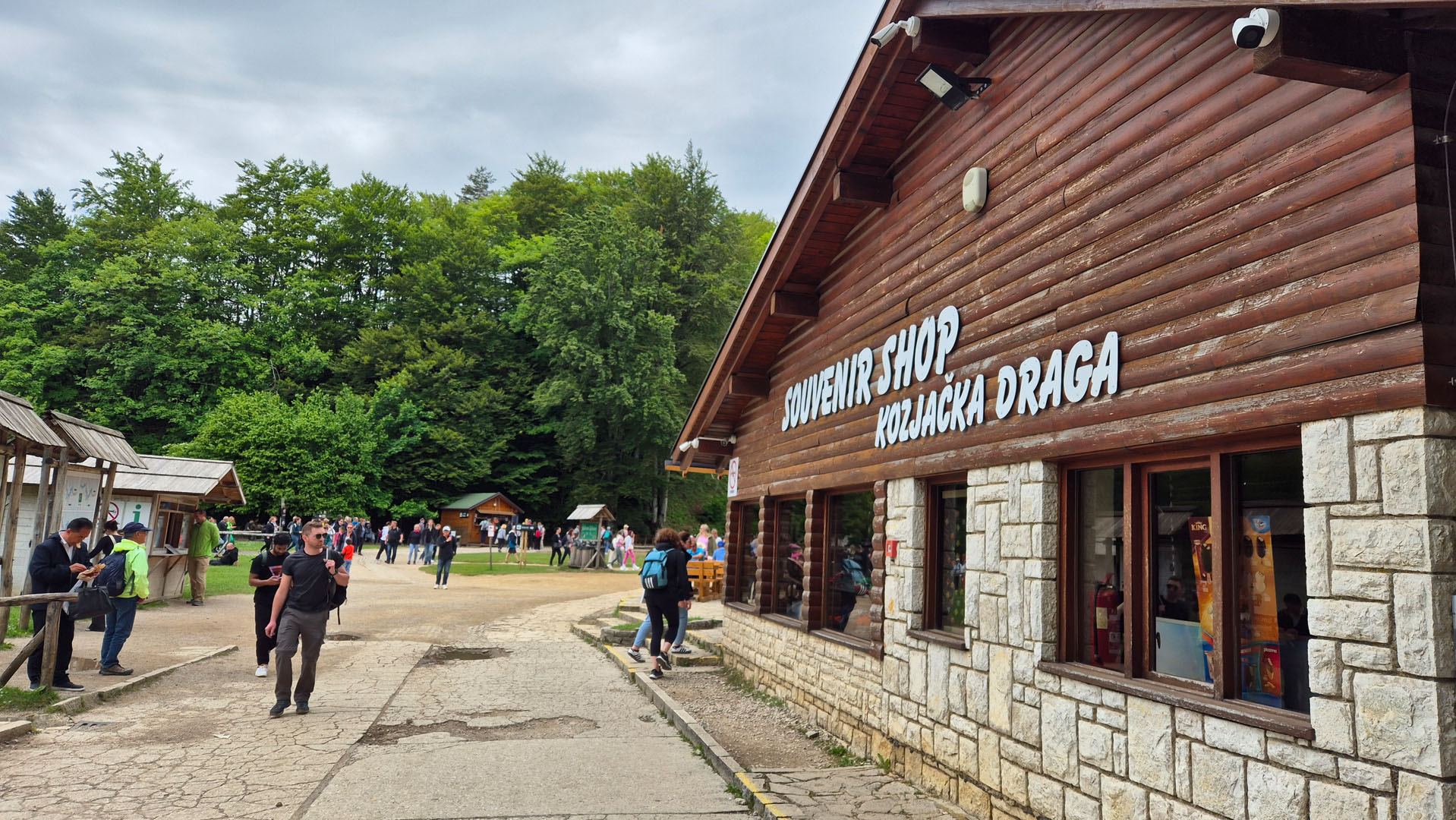
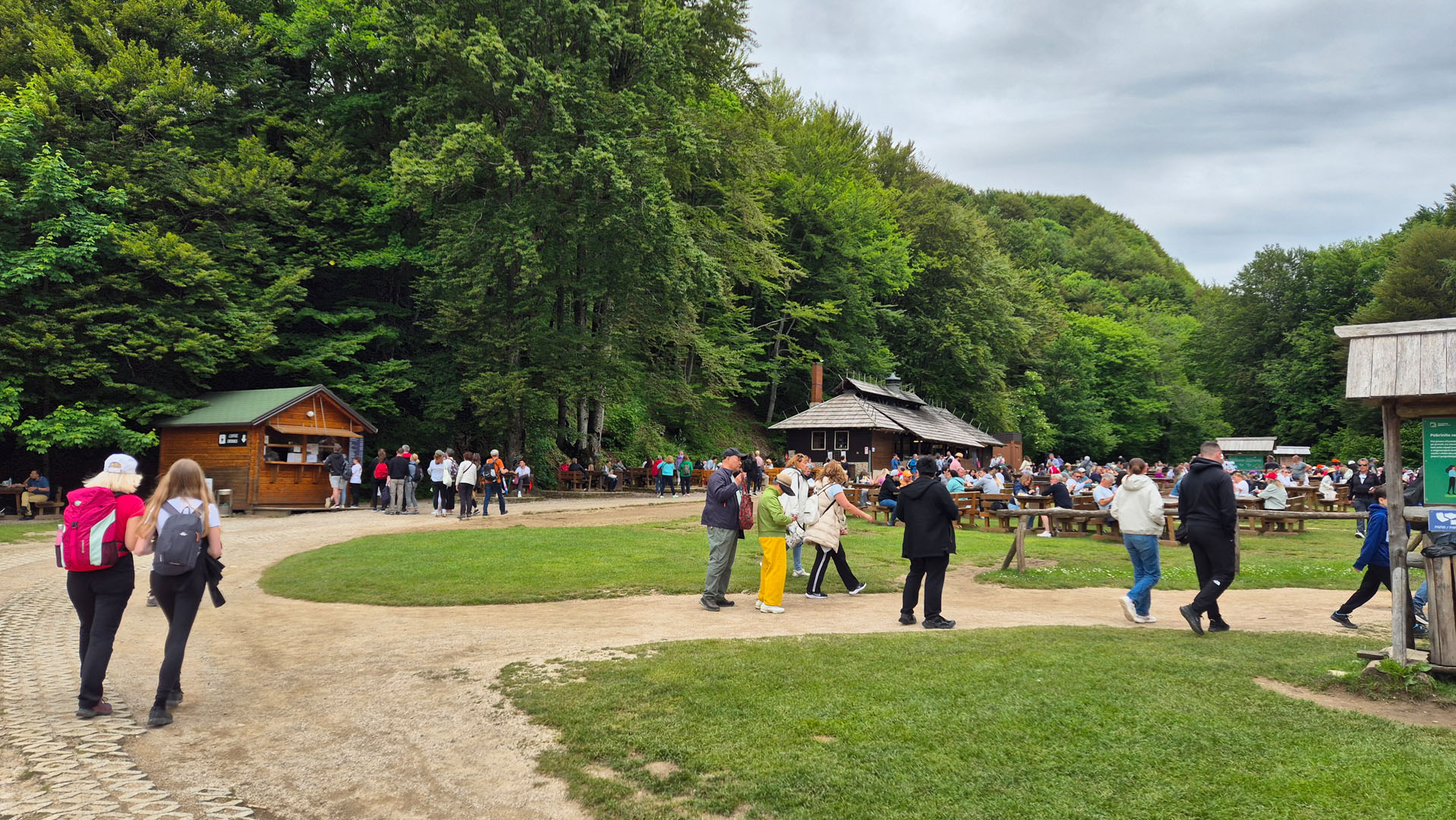
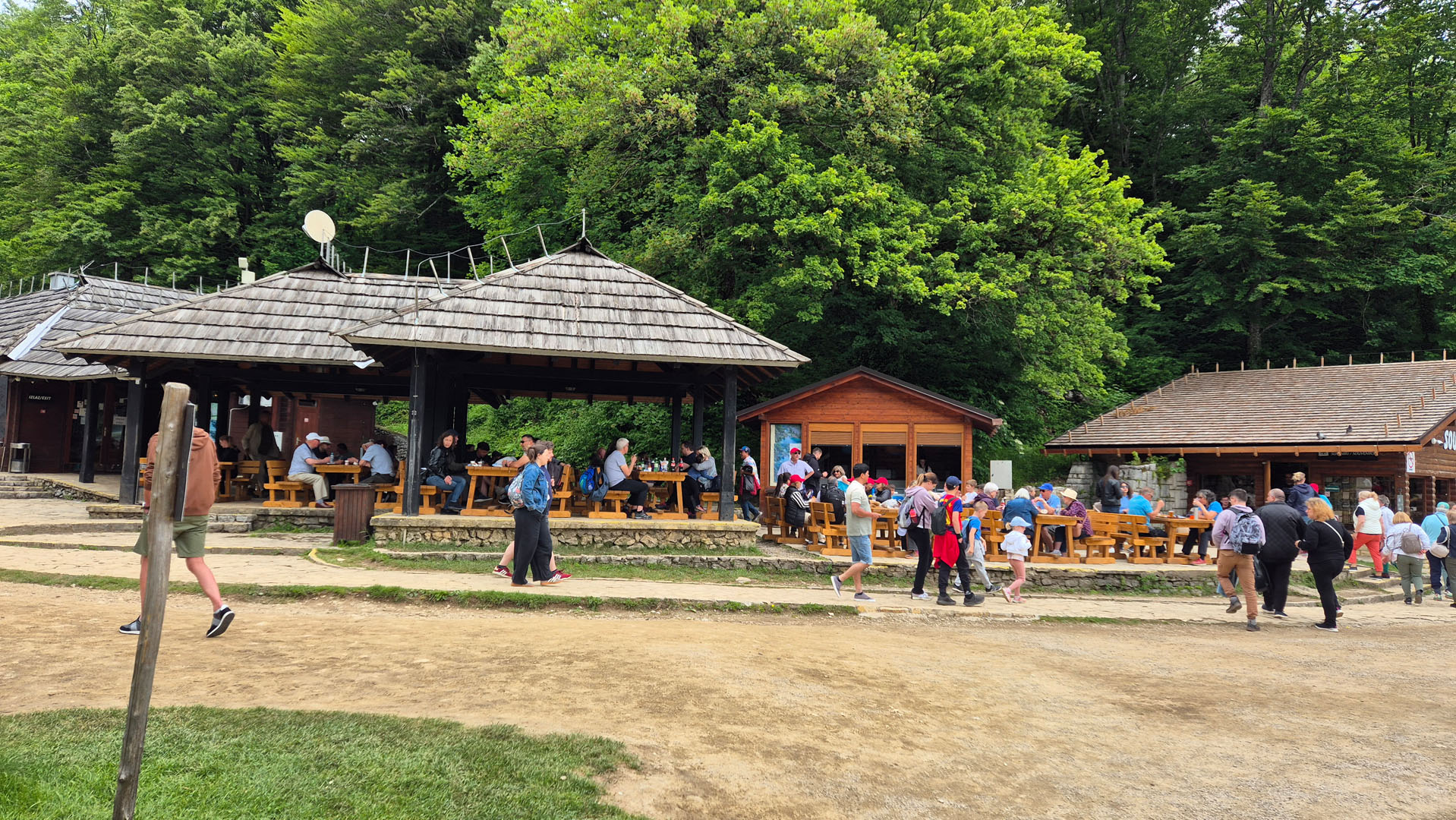
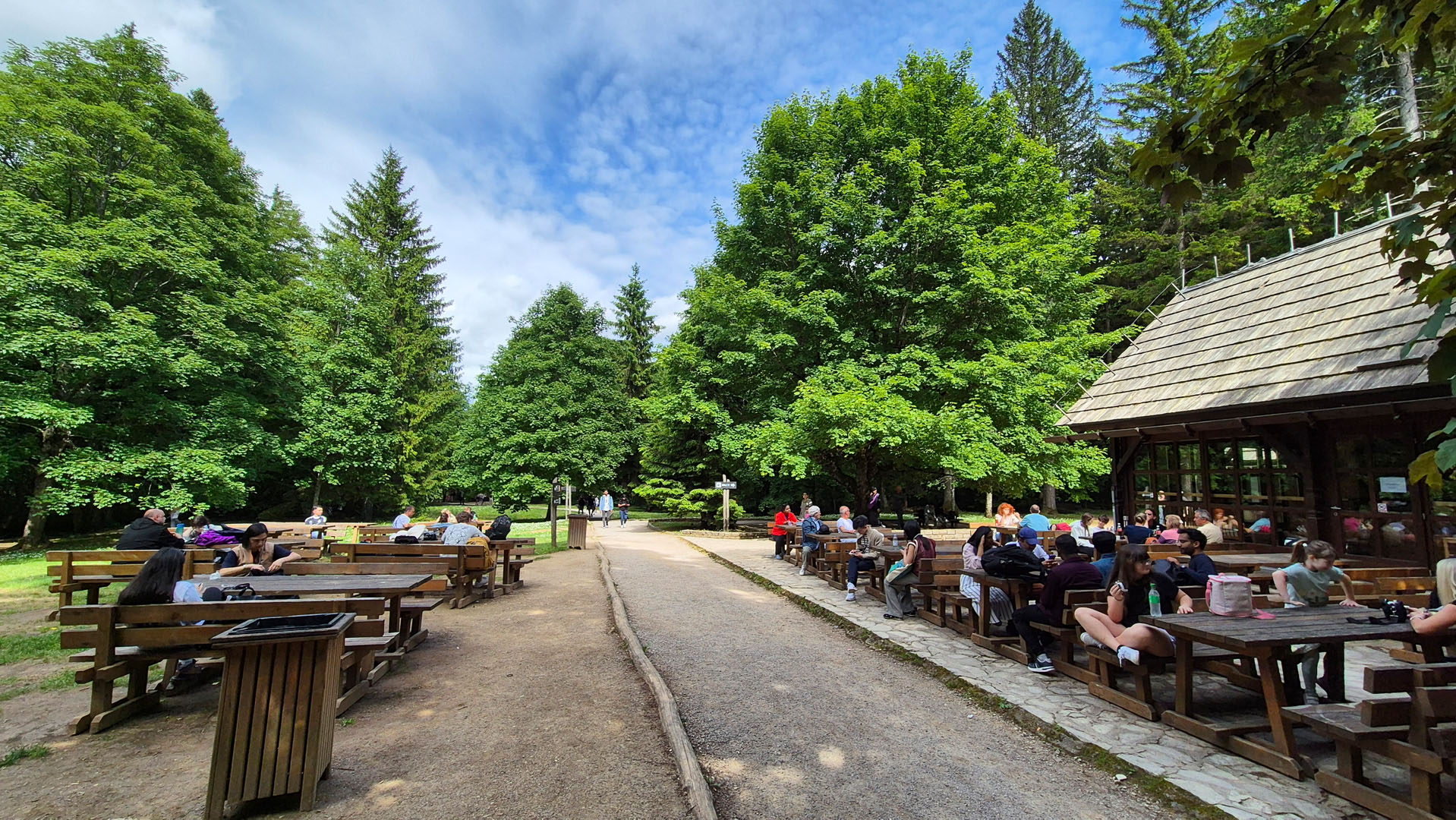
The whole area is well organised, so queues are rare and everything runs smoothly. For anything you might need there are information boards and points, toilets, restaurants, souvenir shops…
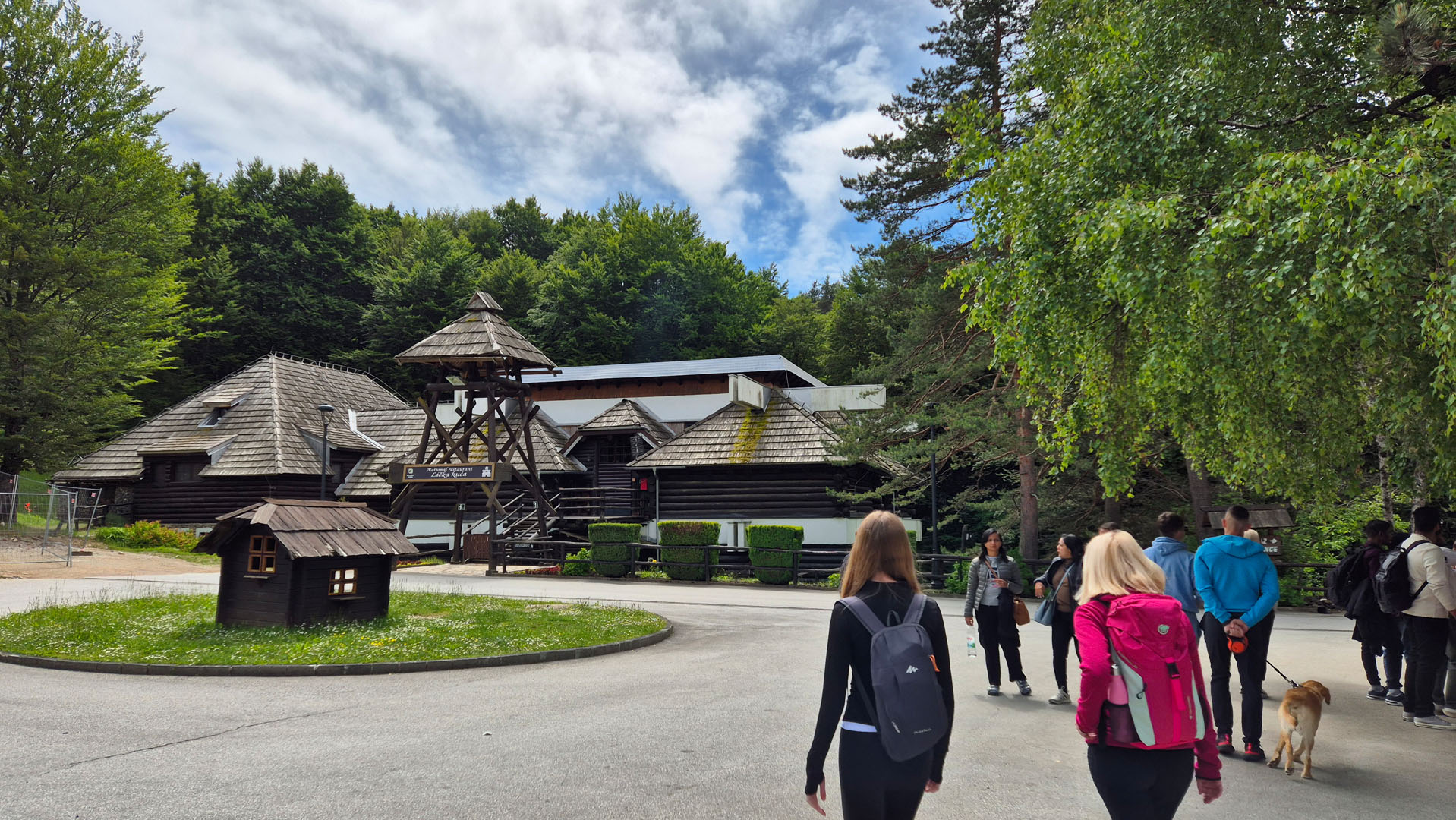
Everything is done in the same style and looks first rate. The car park is even organised with separate sections depending on the type of vehicle (coaches, campervans, cars).

Once you have left the car, you cross the road by wooden bridges that lead to the park entrance itself.
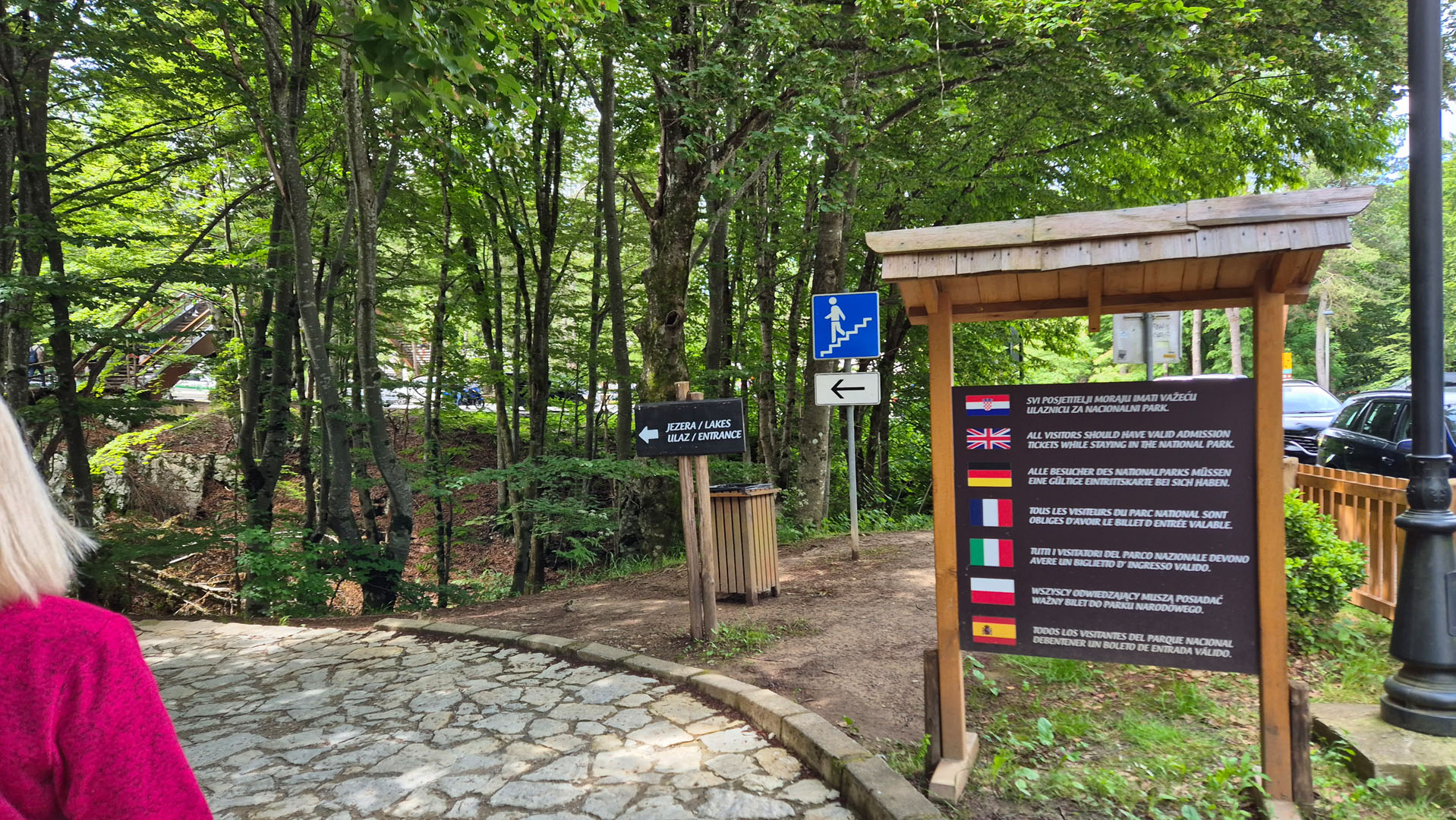

Around the entrance there is a whole host of supporting facilities and buildings. It all looks genuinely world class!
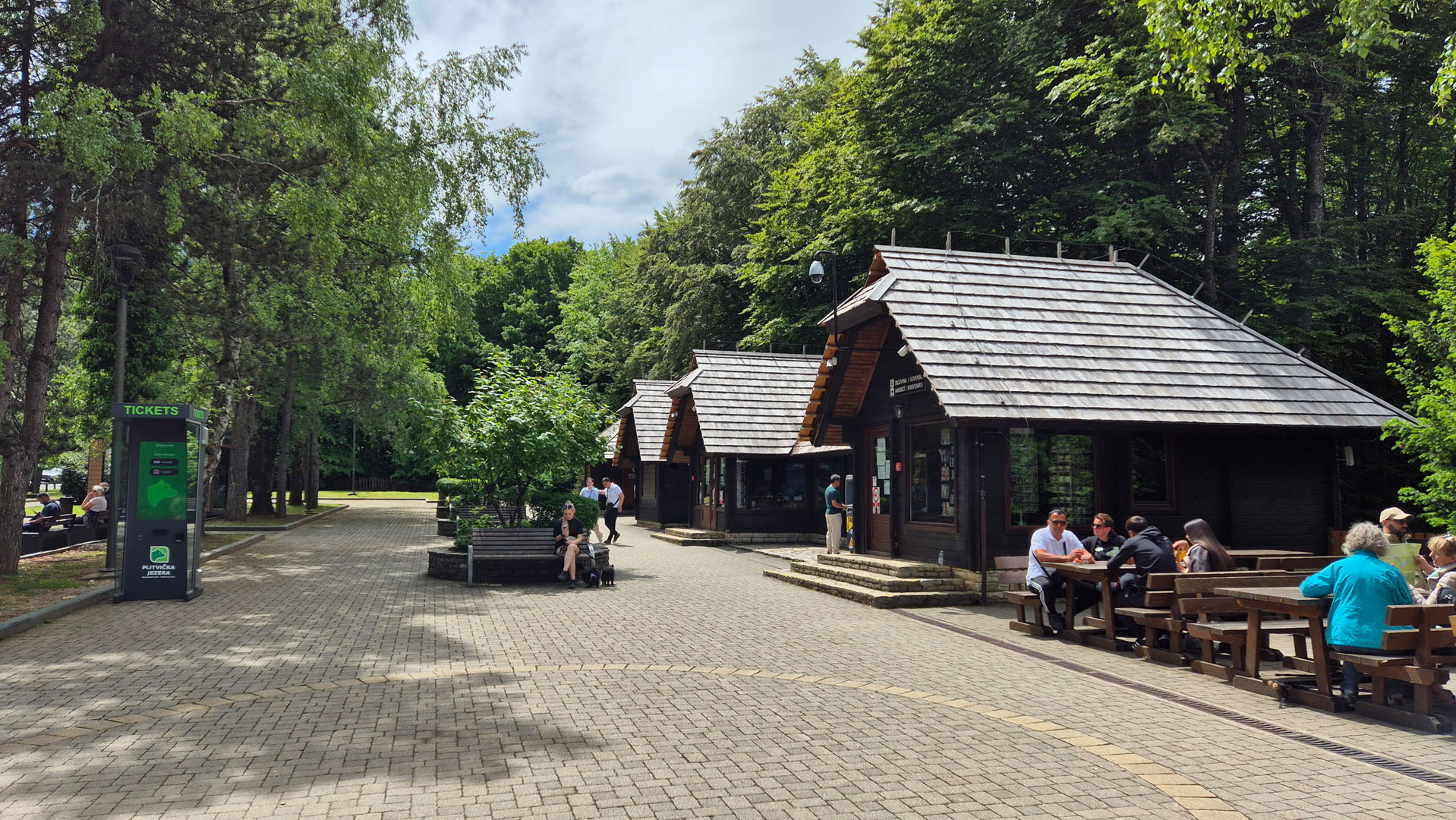
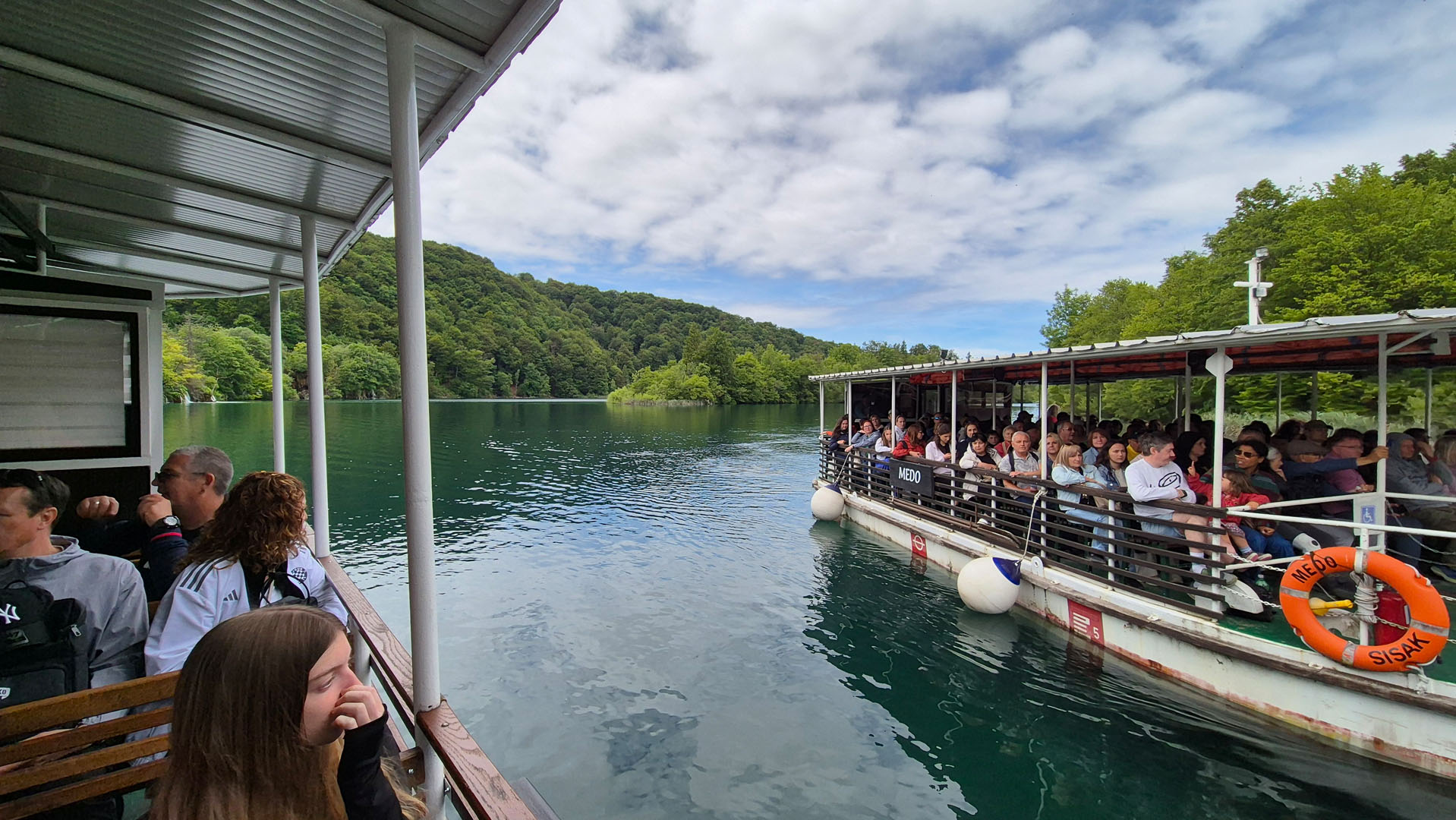
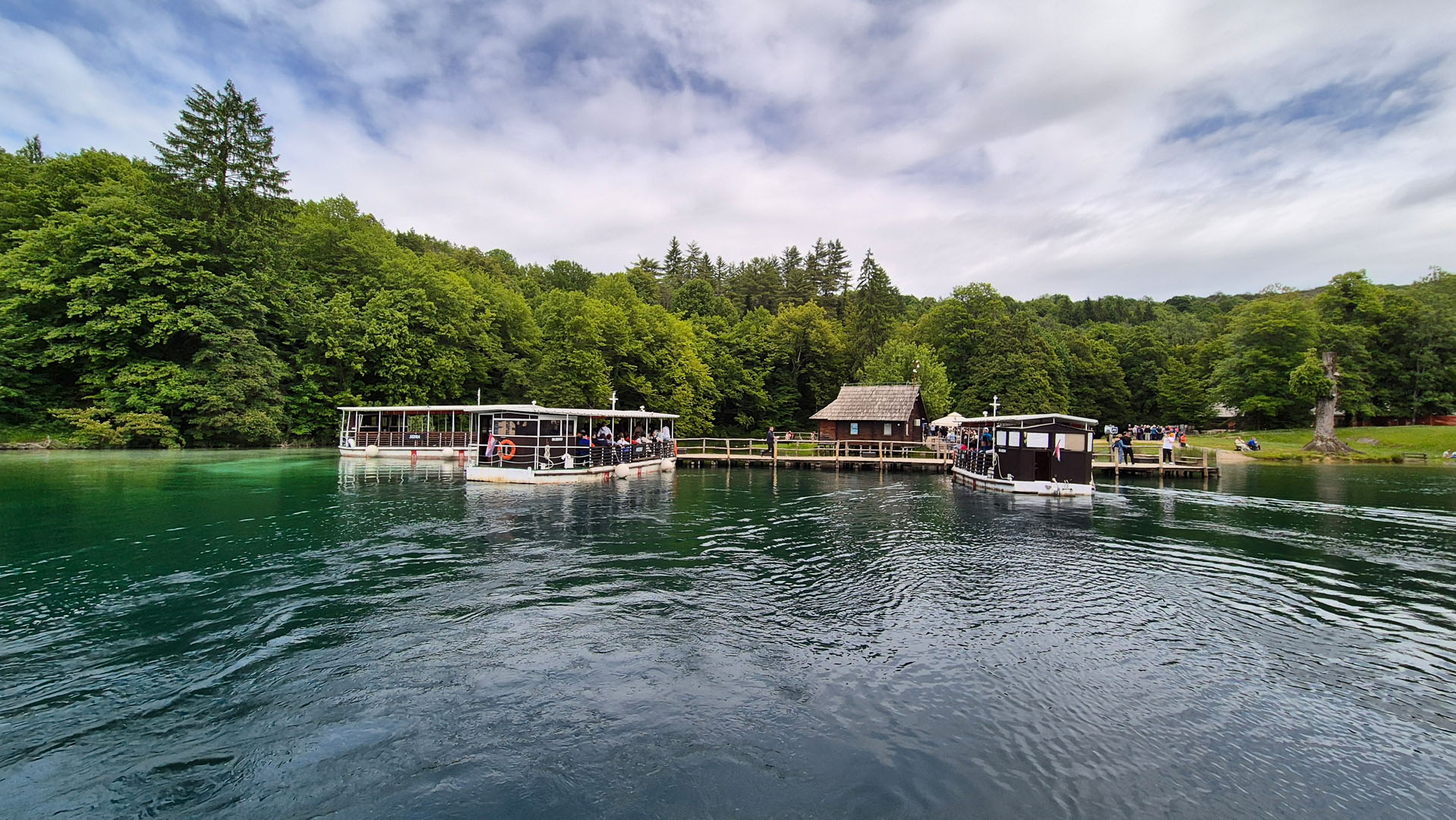
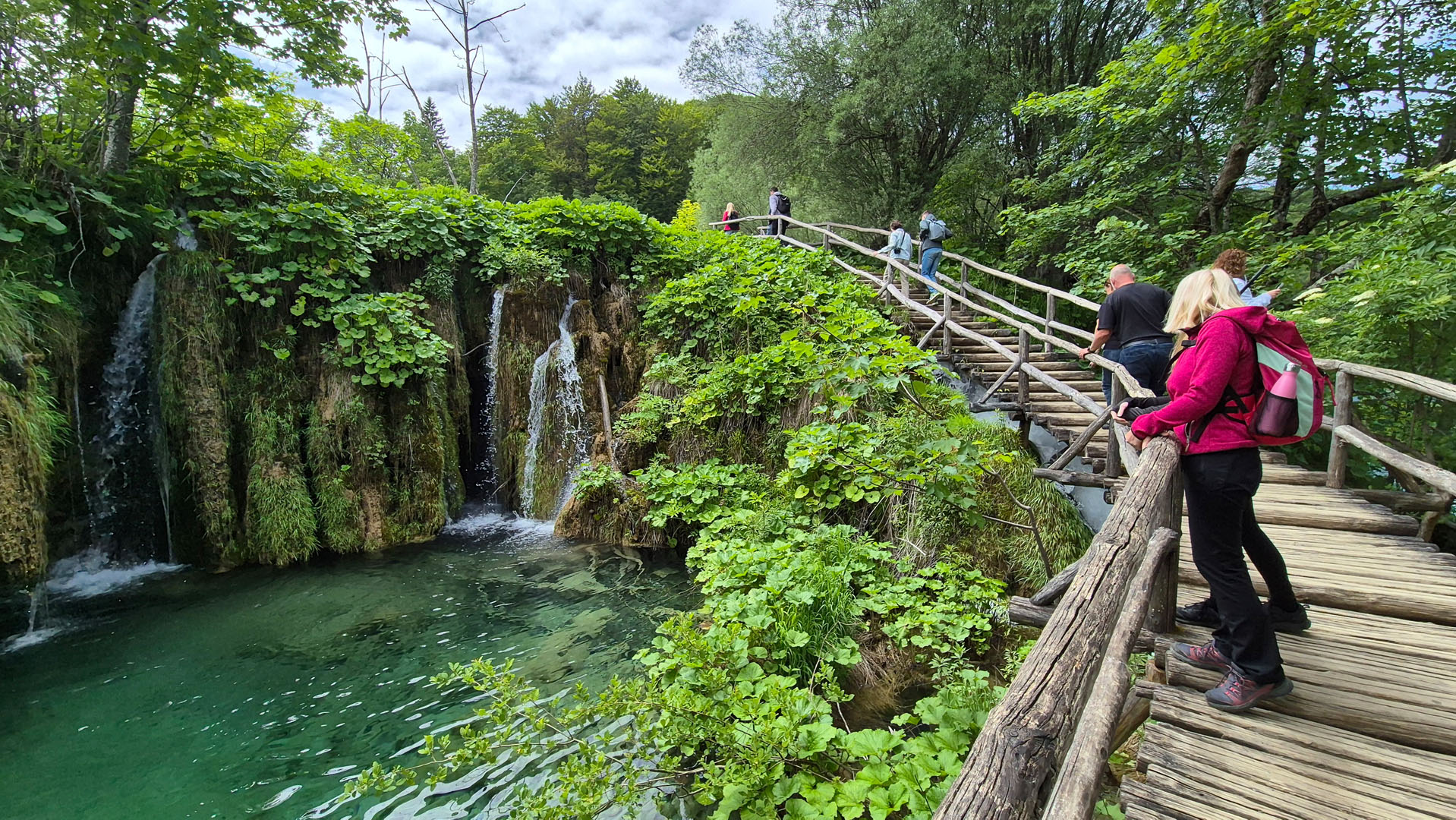
Within the park you can choose from several routes. They differ in how long they take and how much you get to see. This time we chose Programme C, which starts from Entrance 1. The tour takes 4 – 6 hours and covers 8 km of trail. You walk round the Lower Lakes and then take a boat across to the Upper Lakes. After walking the Upper Lakes, you return on the “little train”, which is in fact a bus towing enclosed trailers.
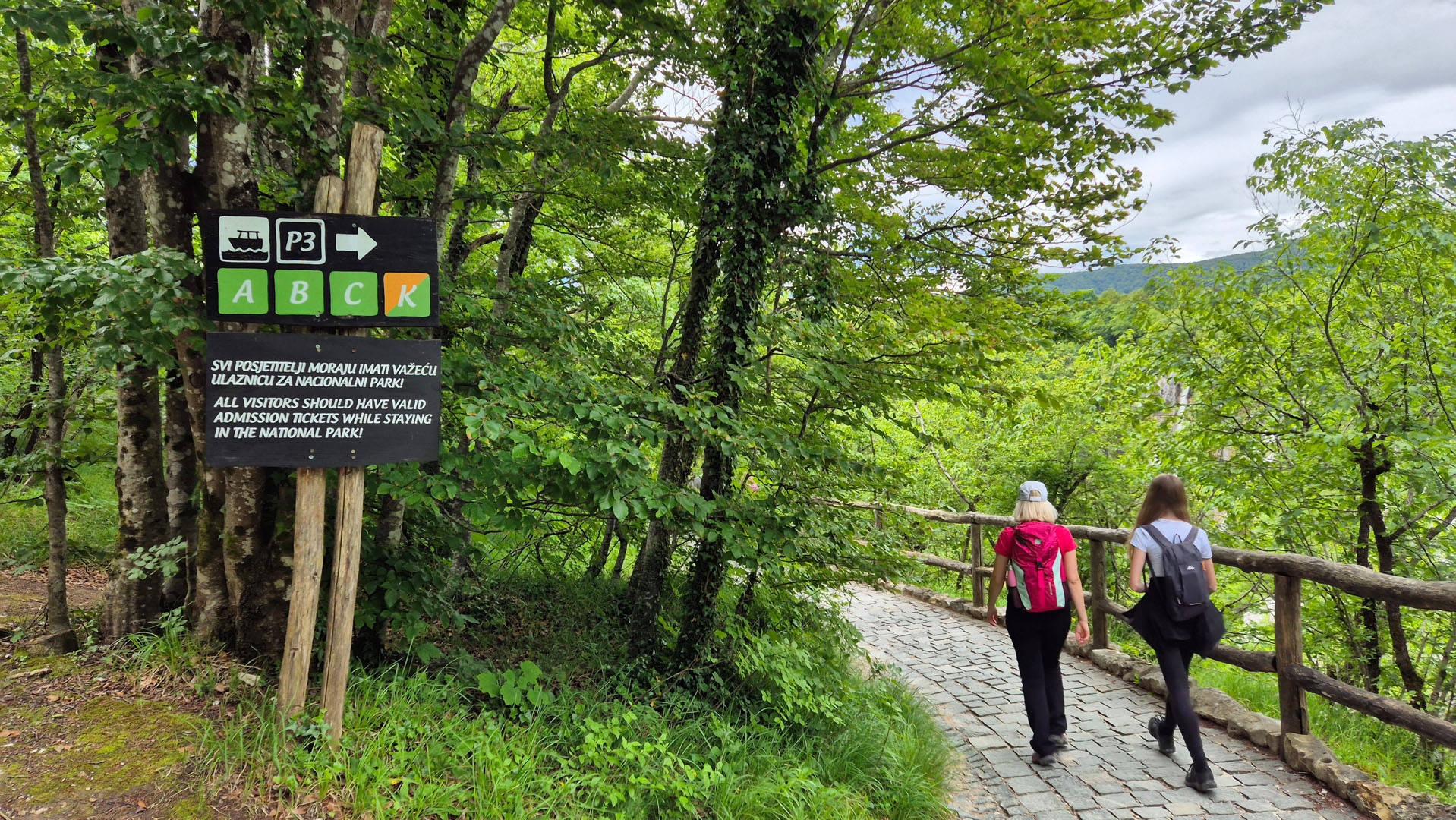
Signboards with route markings are set up at every junction, so it is impossible to get lost. Excellently done!
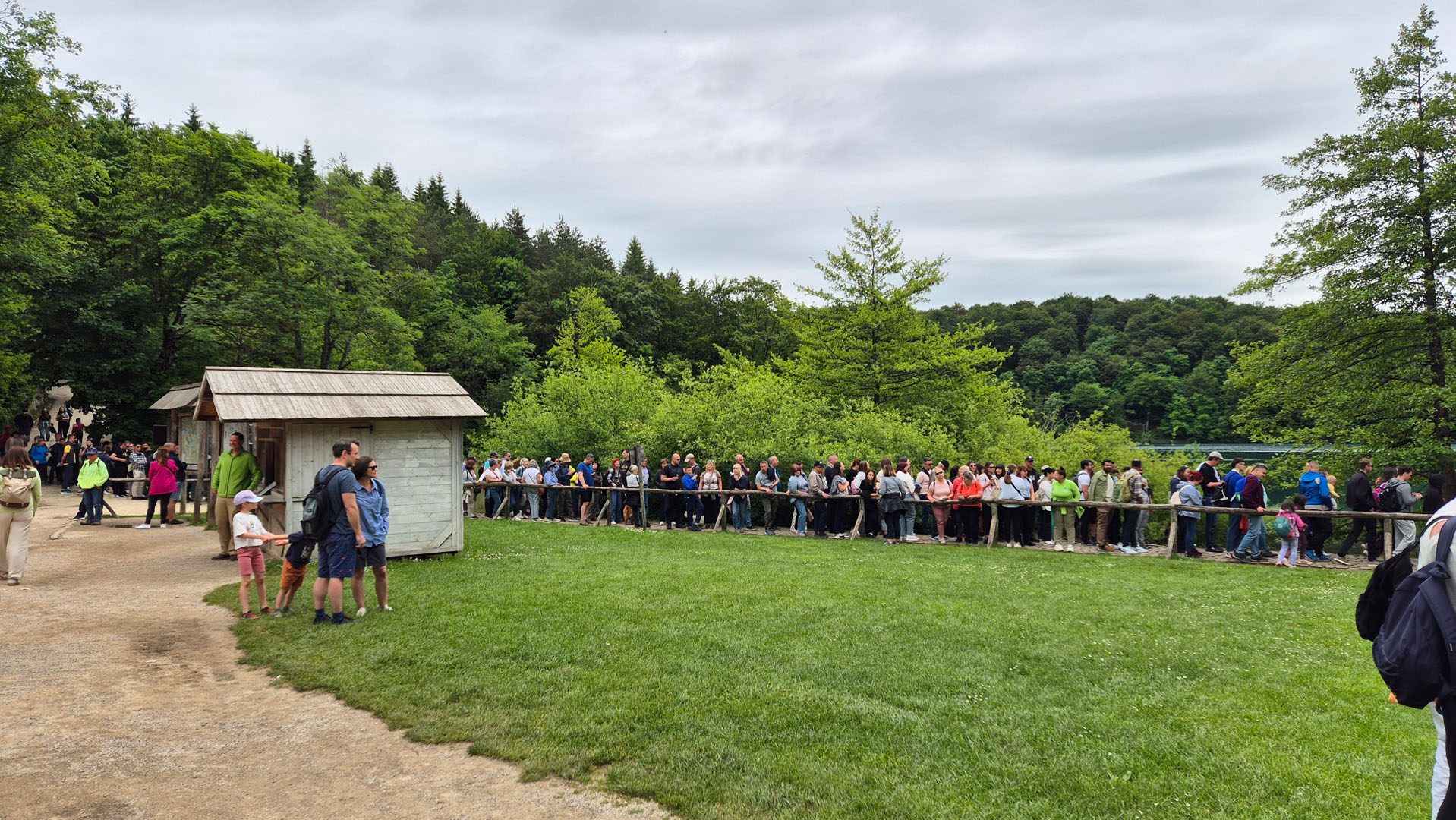
Long queues tend to form at the boat landing and at the turning point for the little train. At first sight they look very discouraging, but boarding happens every half hour and it all moves very quickly.
Anyone wanting refreshment will find a fair number of restaurants. We did not test the food, because we decided to have lunch at one of the many restaurants scattered around the villages near Plitvice.
General information
Plitvice Lakes National Park is Croatia’s largest, oldest and most visited national park. It covers an area of almost 30,000 hectares and receives a million visitors a year.
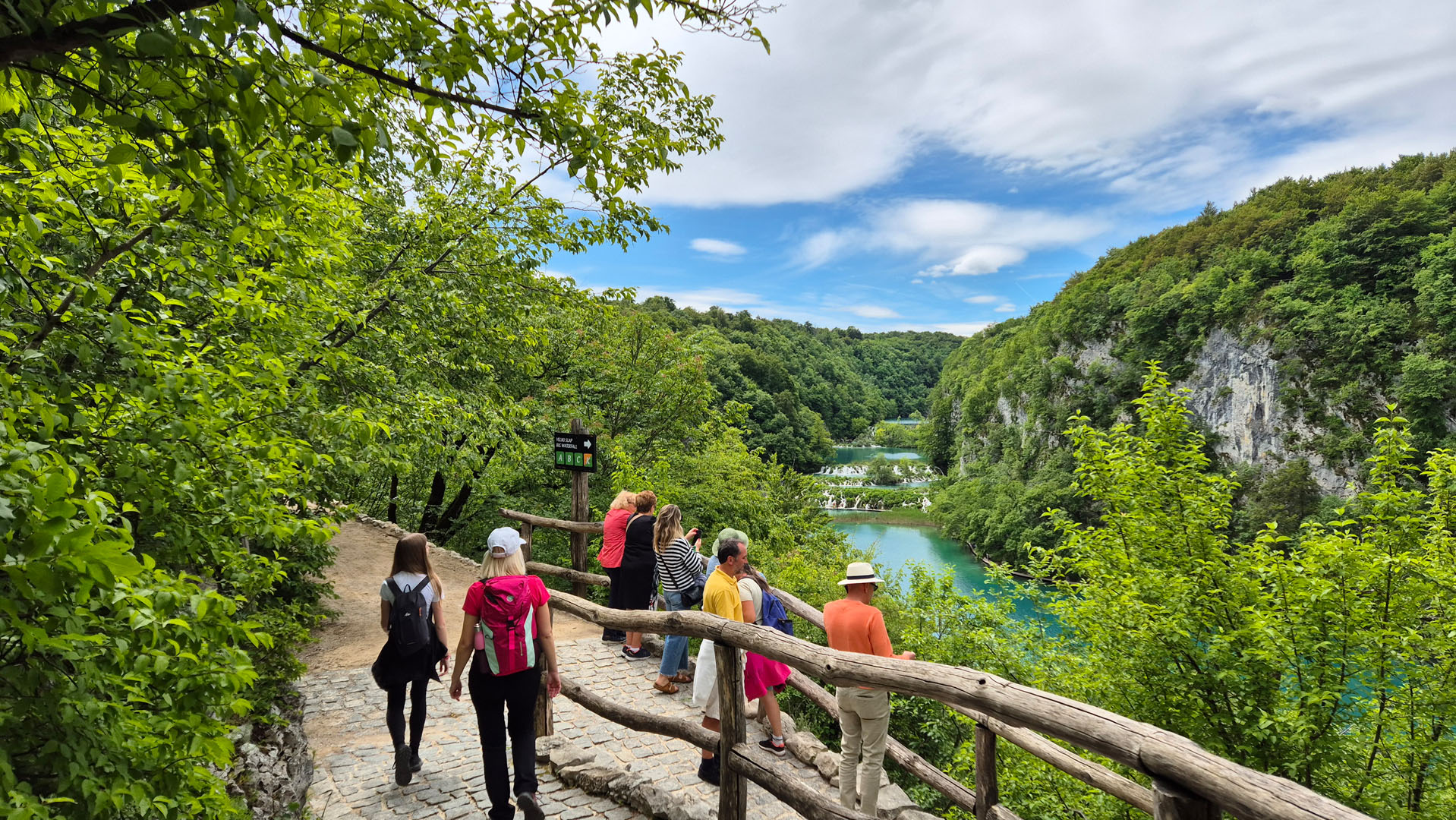
In 1979 UNESCO declared it a World Natural Heritage Site, among the first in the world. Plitvice Lakes is an unbroken chain of 16 lakes, which spill into one another over waterfalls in a series of steps.
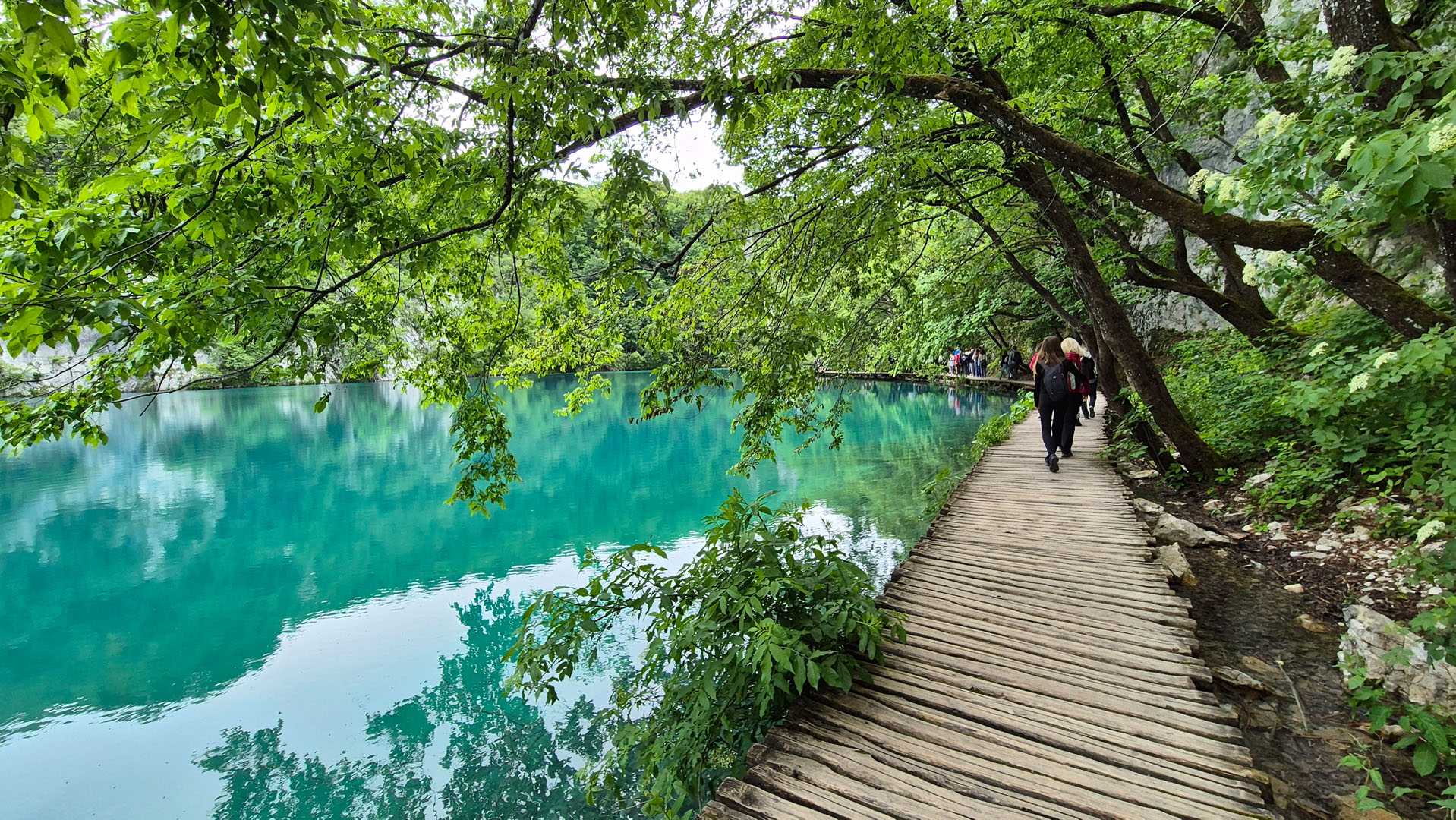
The largest lake is Kozjak, with a surface area of over 82 hectares, and it is also the deepest – 47 m.
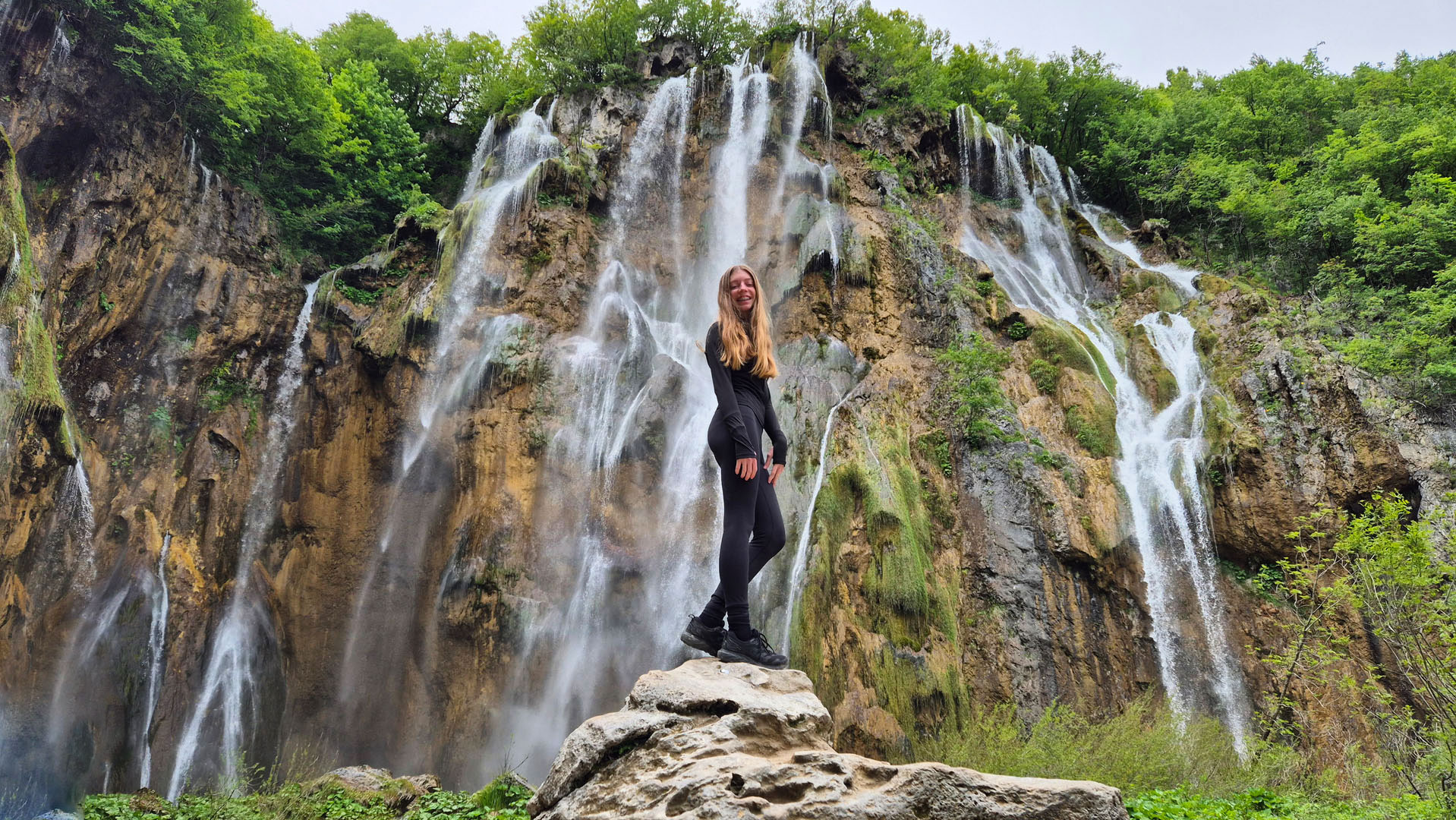
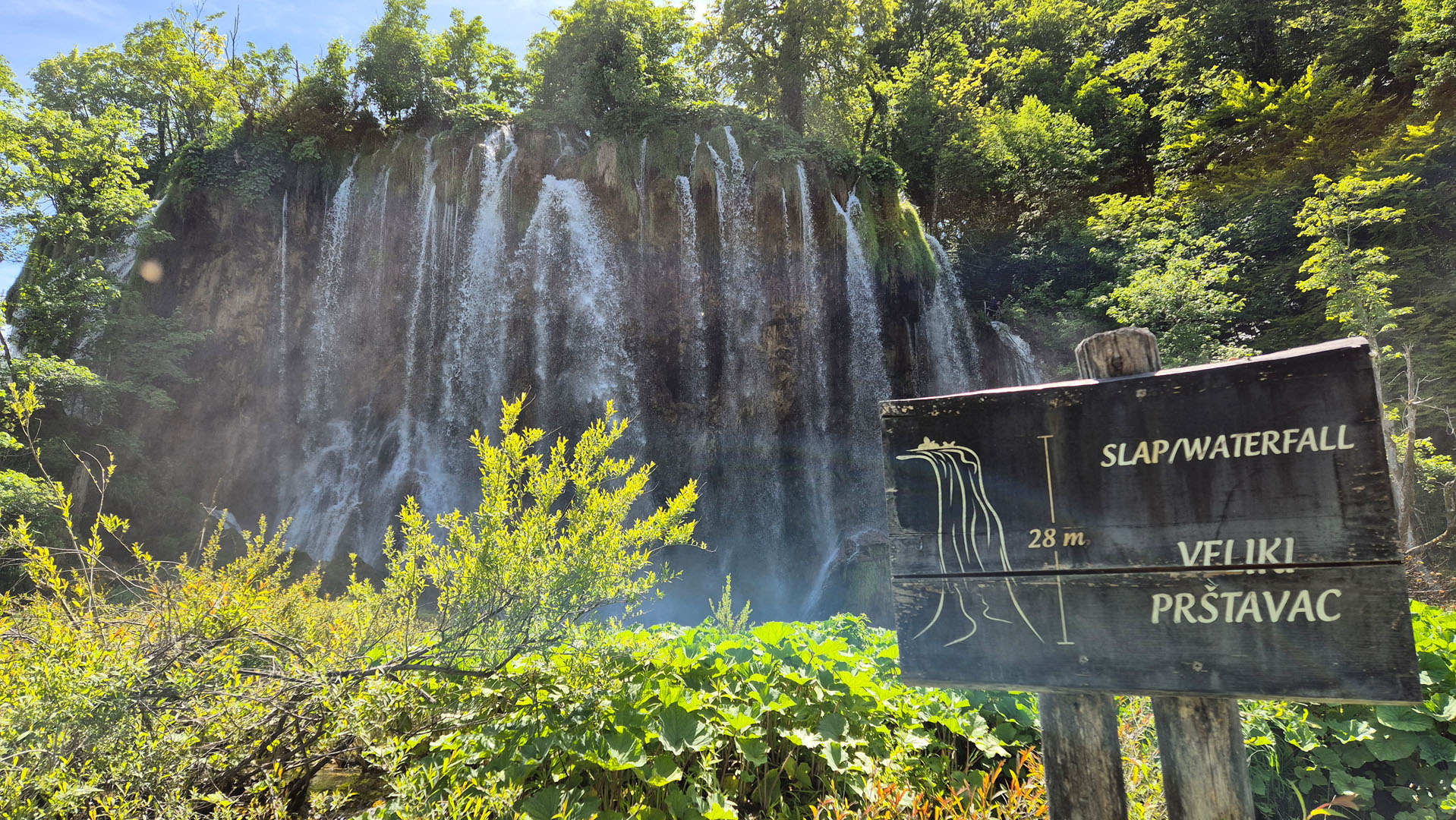
Plitvice is also home to the highest waterfall in Croatia – Veliki slap. It is fed by the Plitvice stream and plunges from a height of 78 m. It lies at the end of the park, below Entrance 1. There are higher waterfalls in Croatia, but they are torrential, and some of them do not even have a name for that reason. One example is the torrential fall in Vela draga on the slopes of Učka, which drops from a height of almost 100 m.
The chain of lakes begins with the large Lake Prošćansko, which draws its water from the Rječica and from the Crna and Bijela rivers with their tributaries. Those are not the only sources of water in the lakes. Plitvice abounds in springs!

What we did not like
We want to see silent electric boats (as at Kopački rit, for instance), and the “little train”, a bus with enclosed trailers, saw its best years long ago.
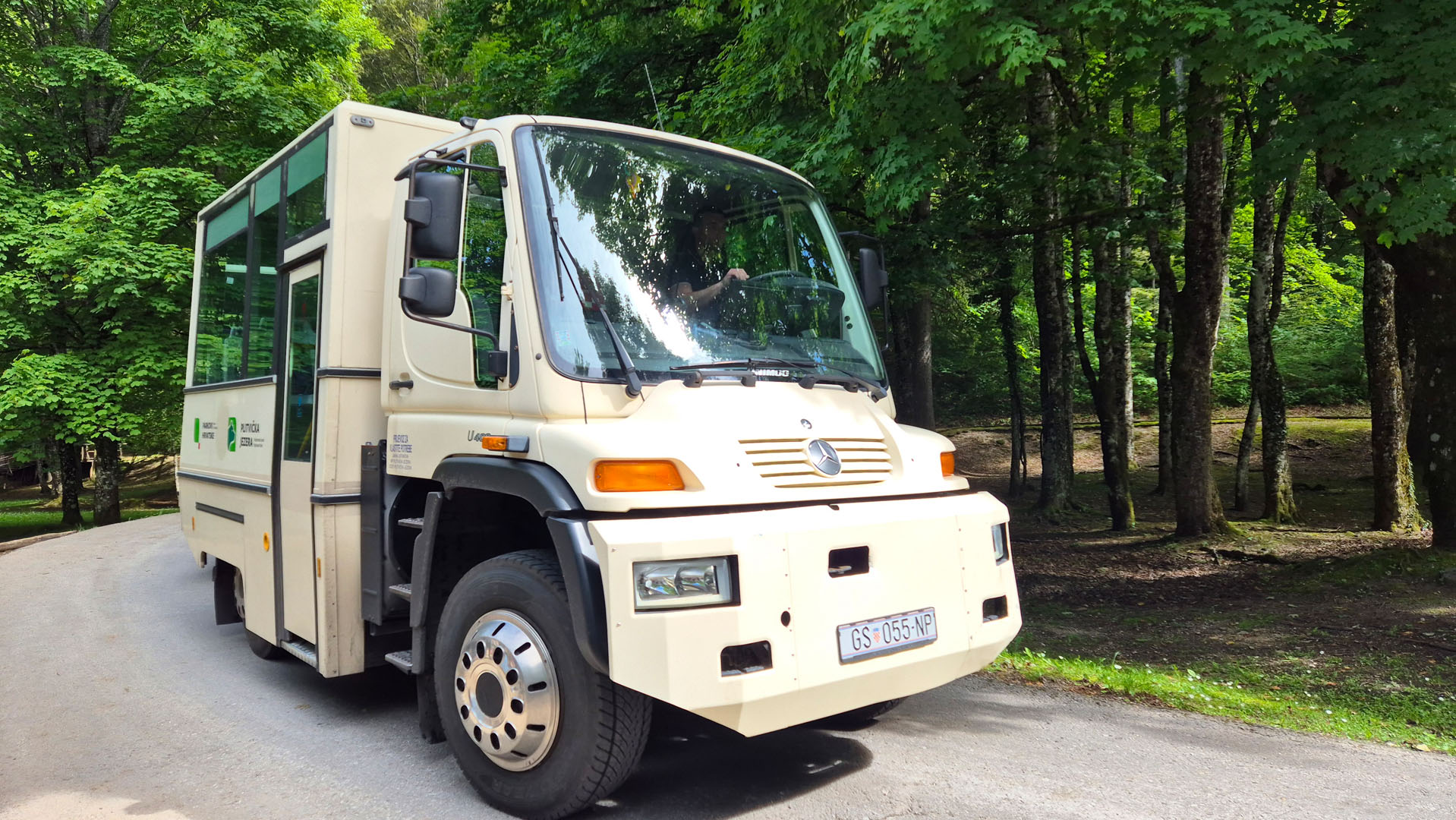
It drones away and pollutes the environment, and these days it is completely out of keeping with the setting.
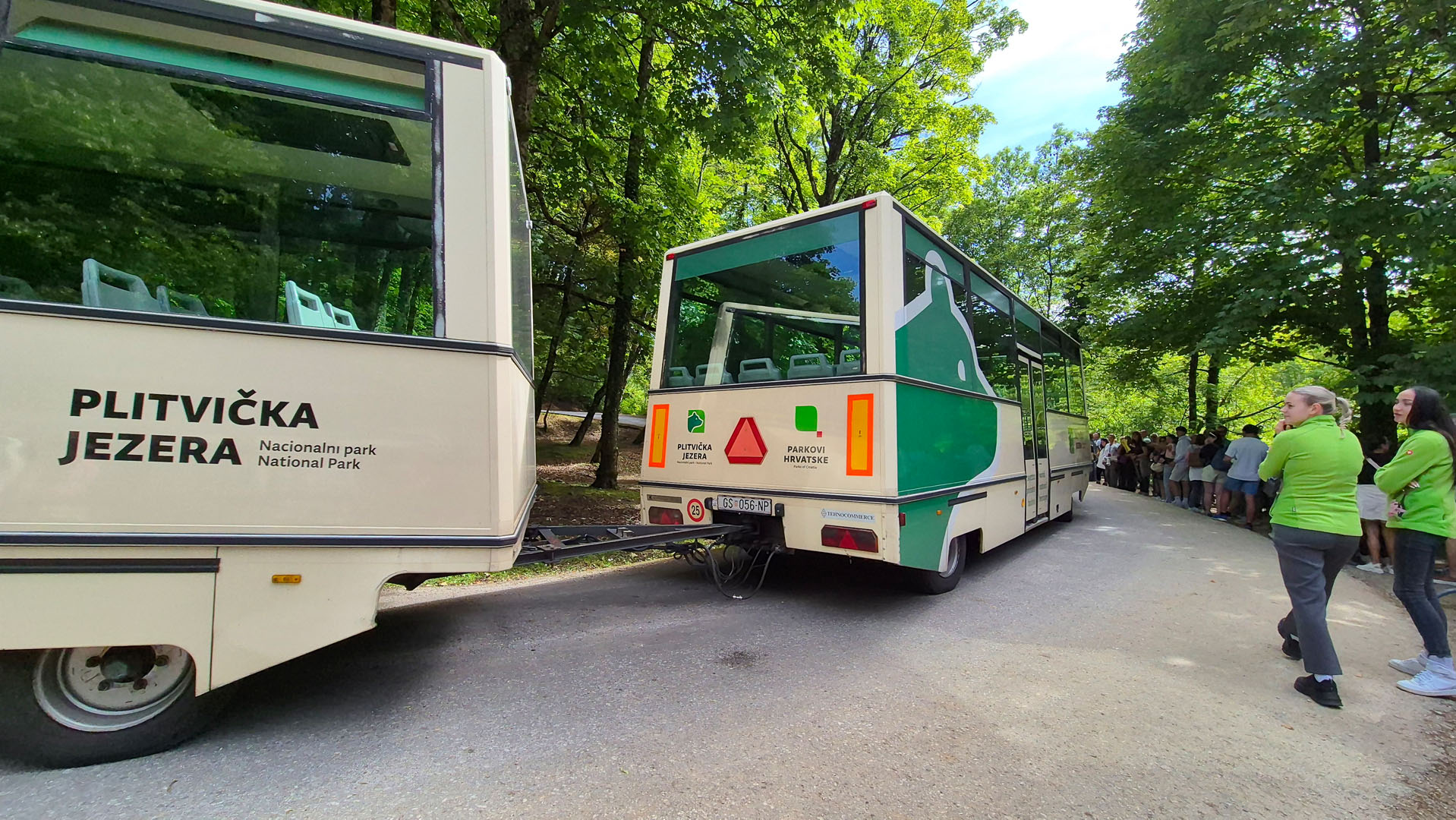
It is extraordinary that a park selling a million tickets a year is not in a position to buy a modern electric replacement!
Conclusion

So then, is Plitvice the most beautiful national park in the world? It depends. Every place can be experienced differently on every visit. Among the most beautiful, quite certainly, yes!
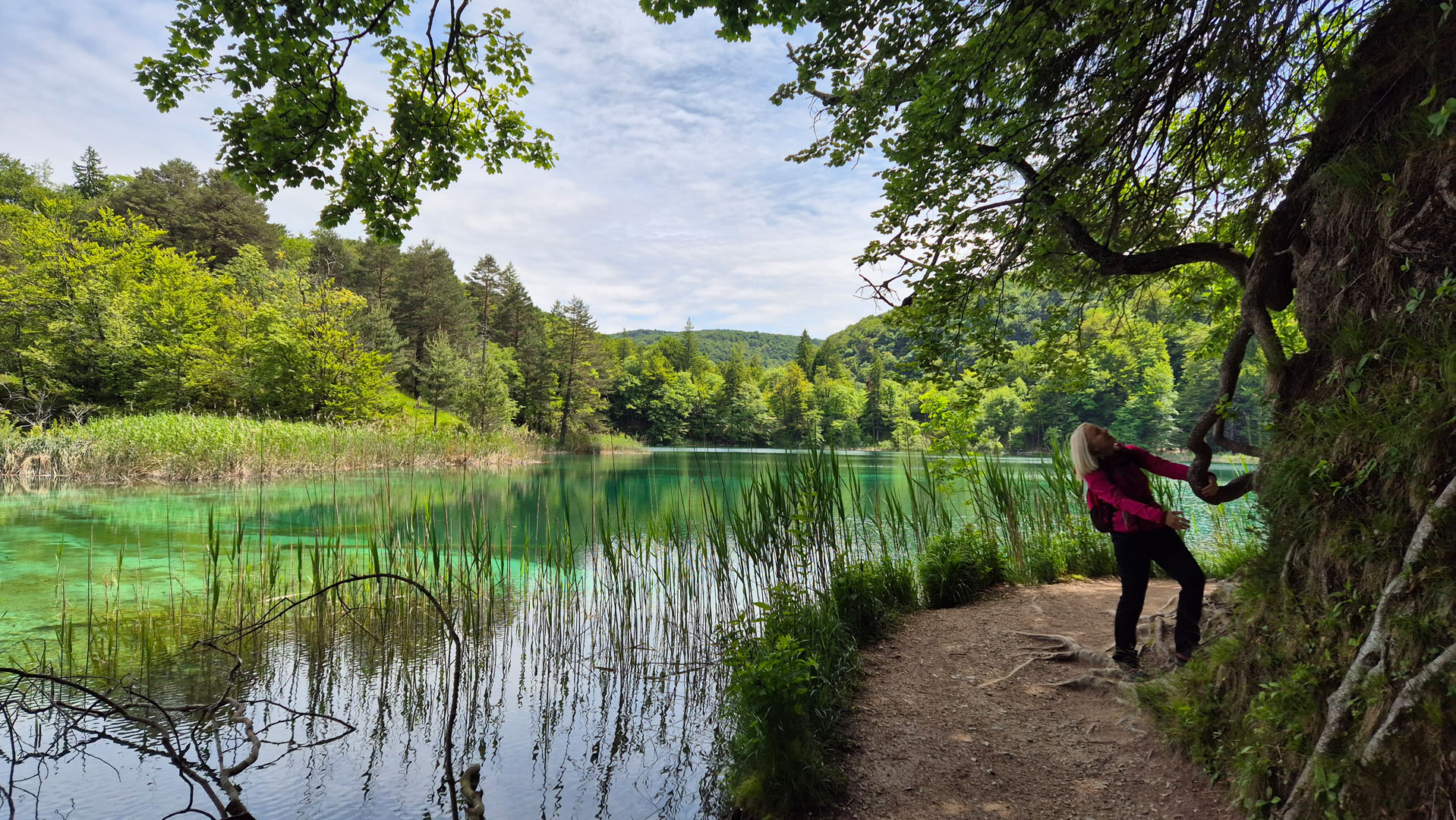
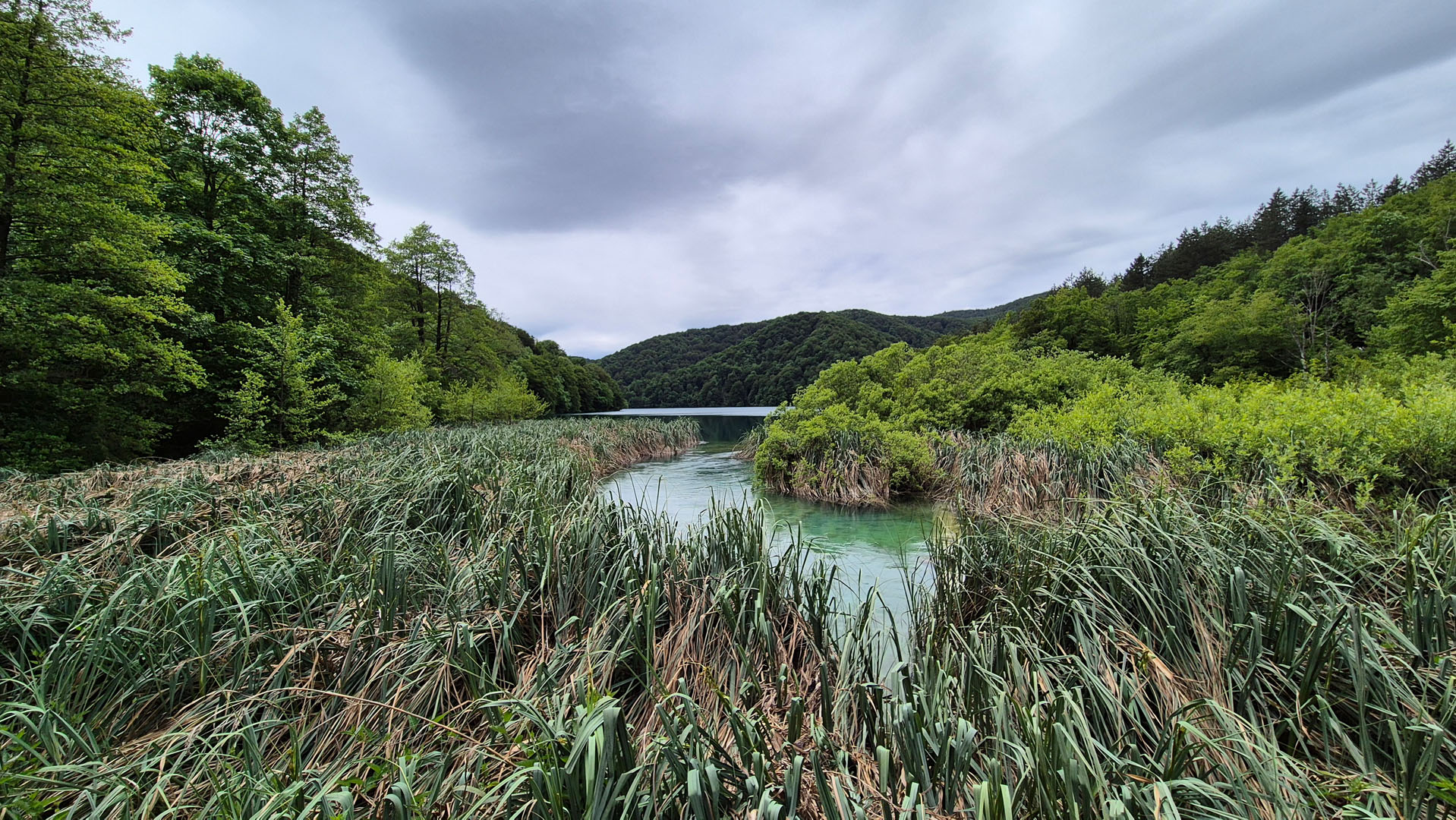
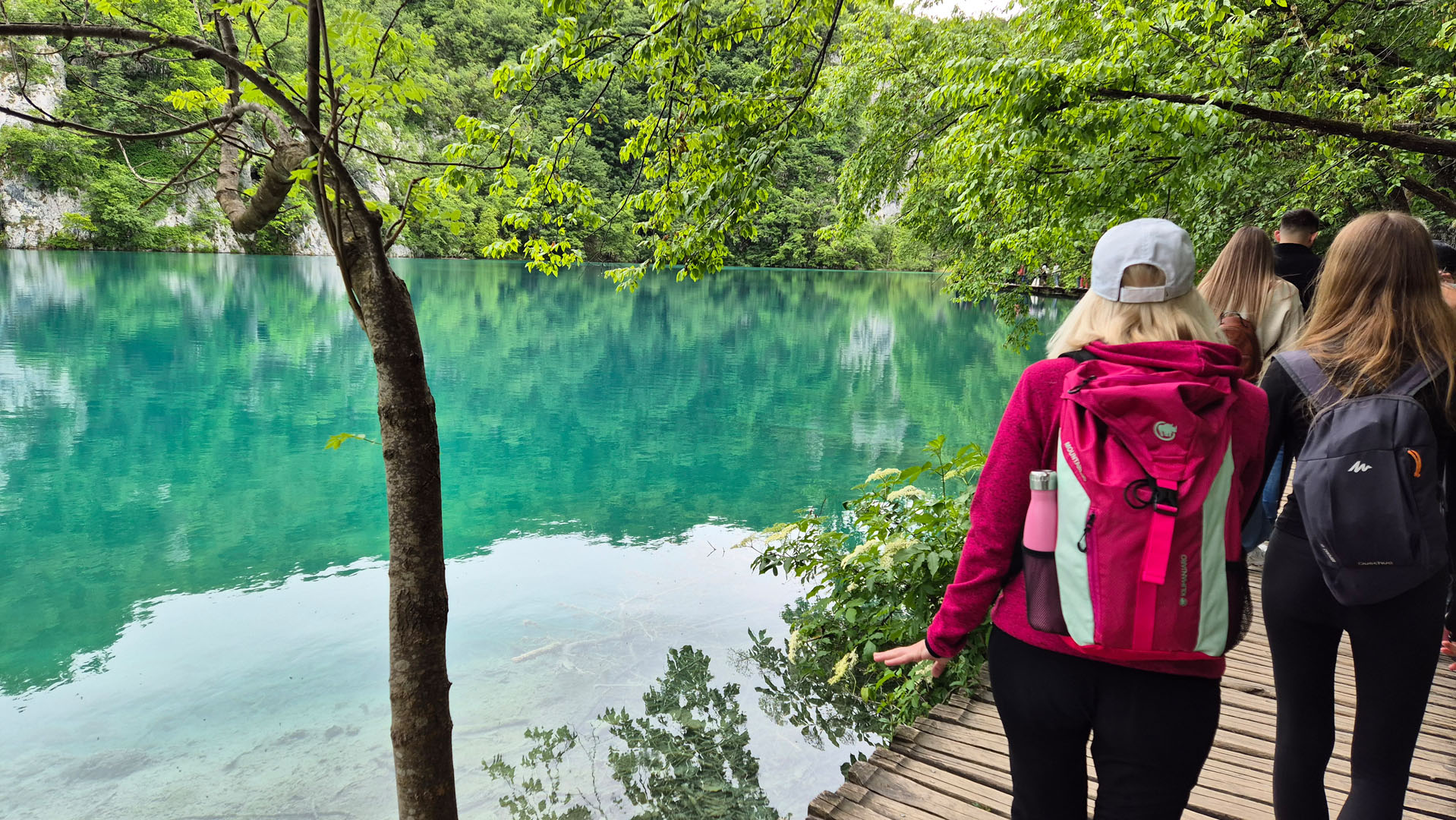
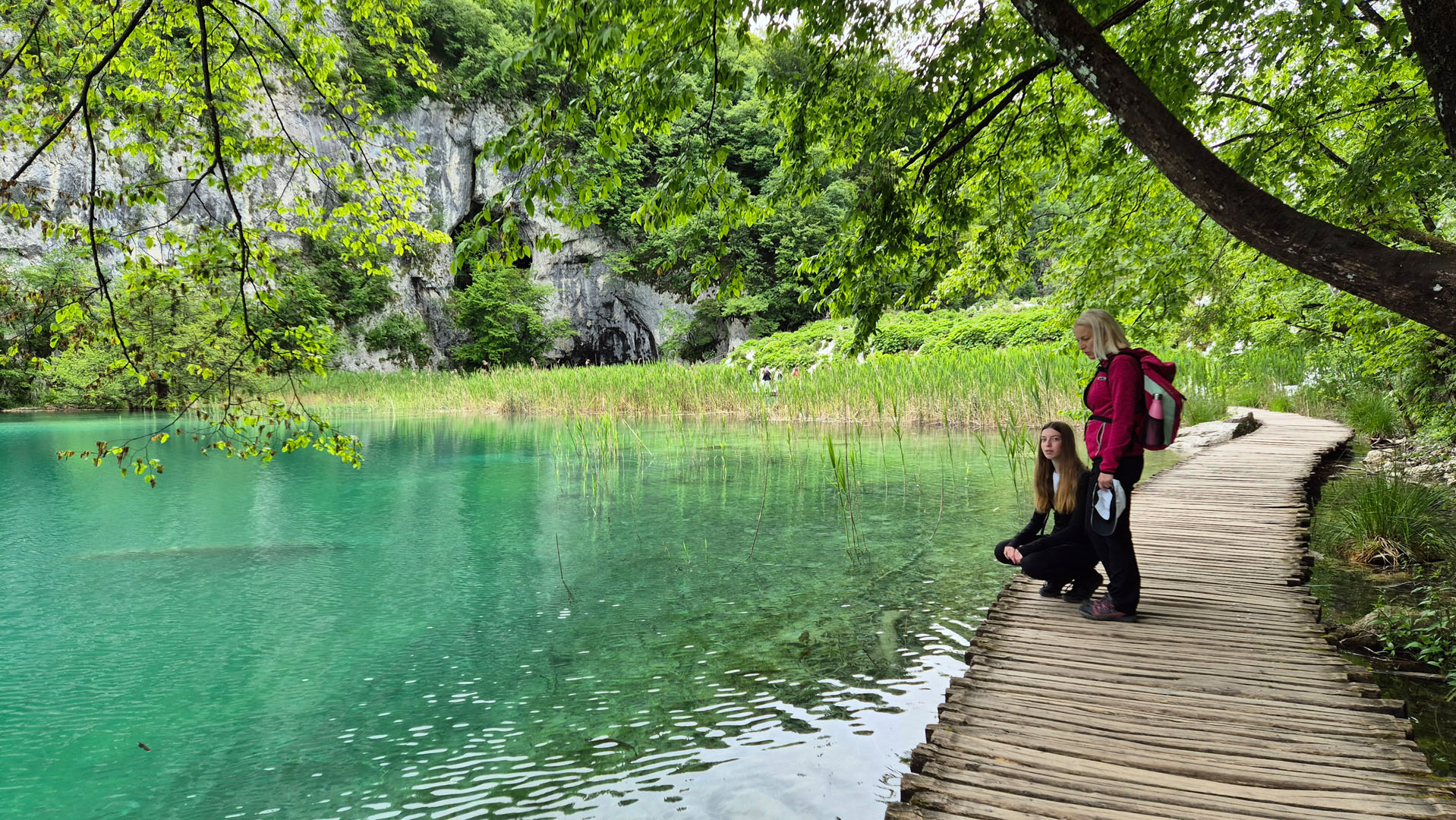
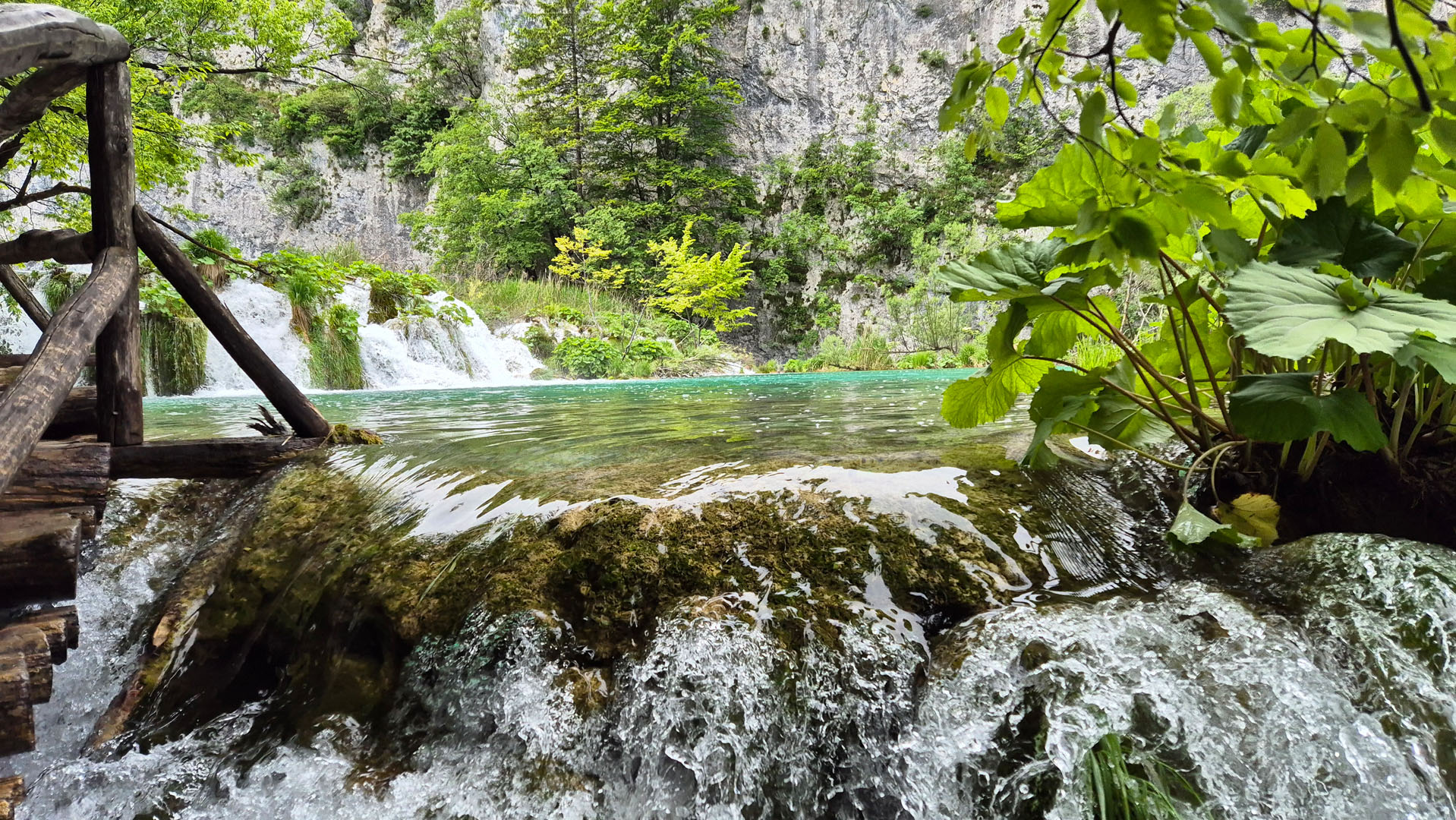
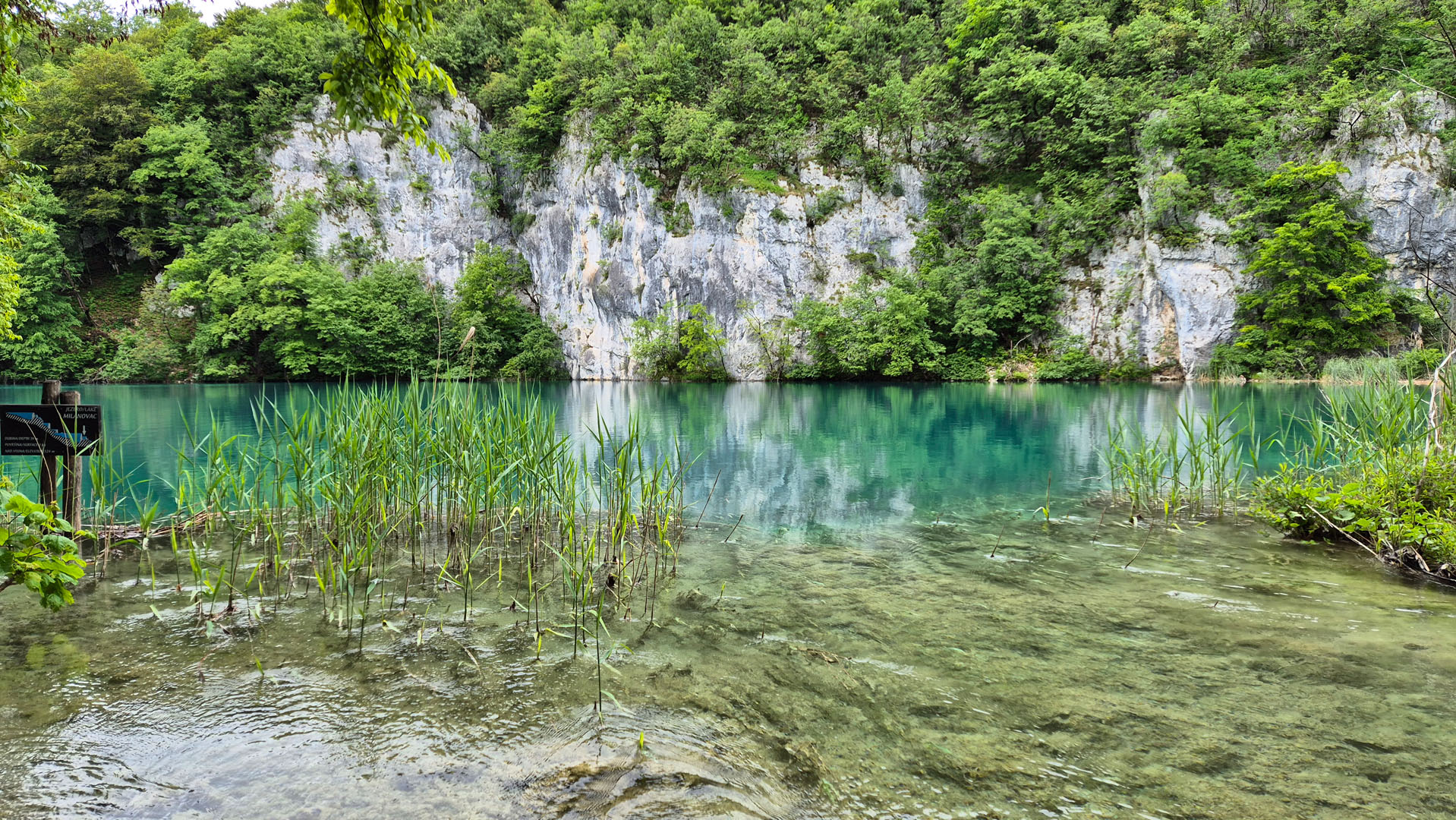
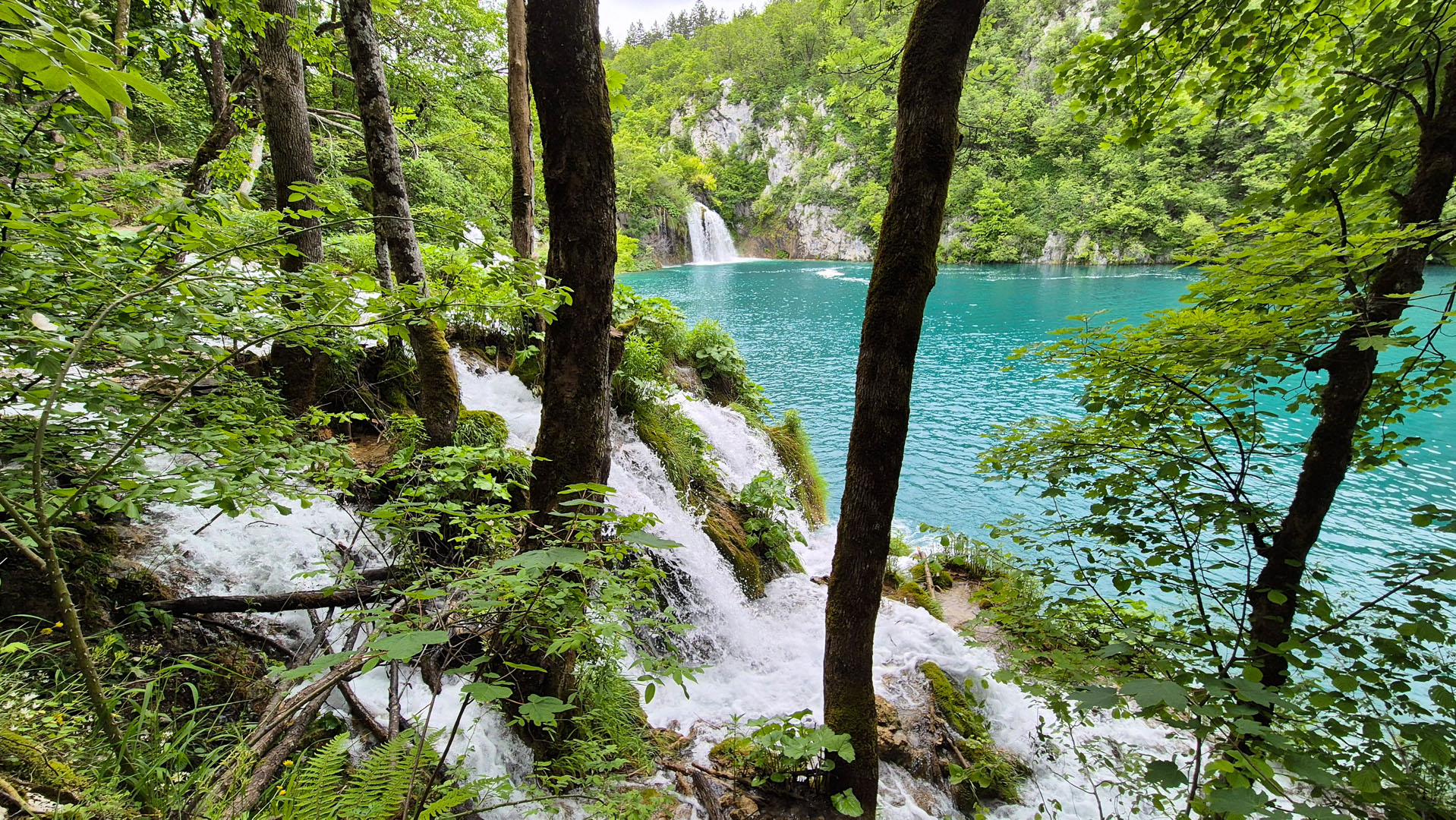
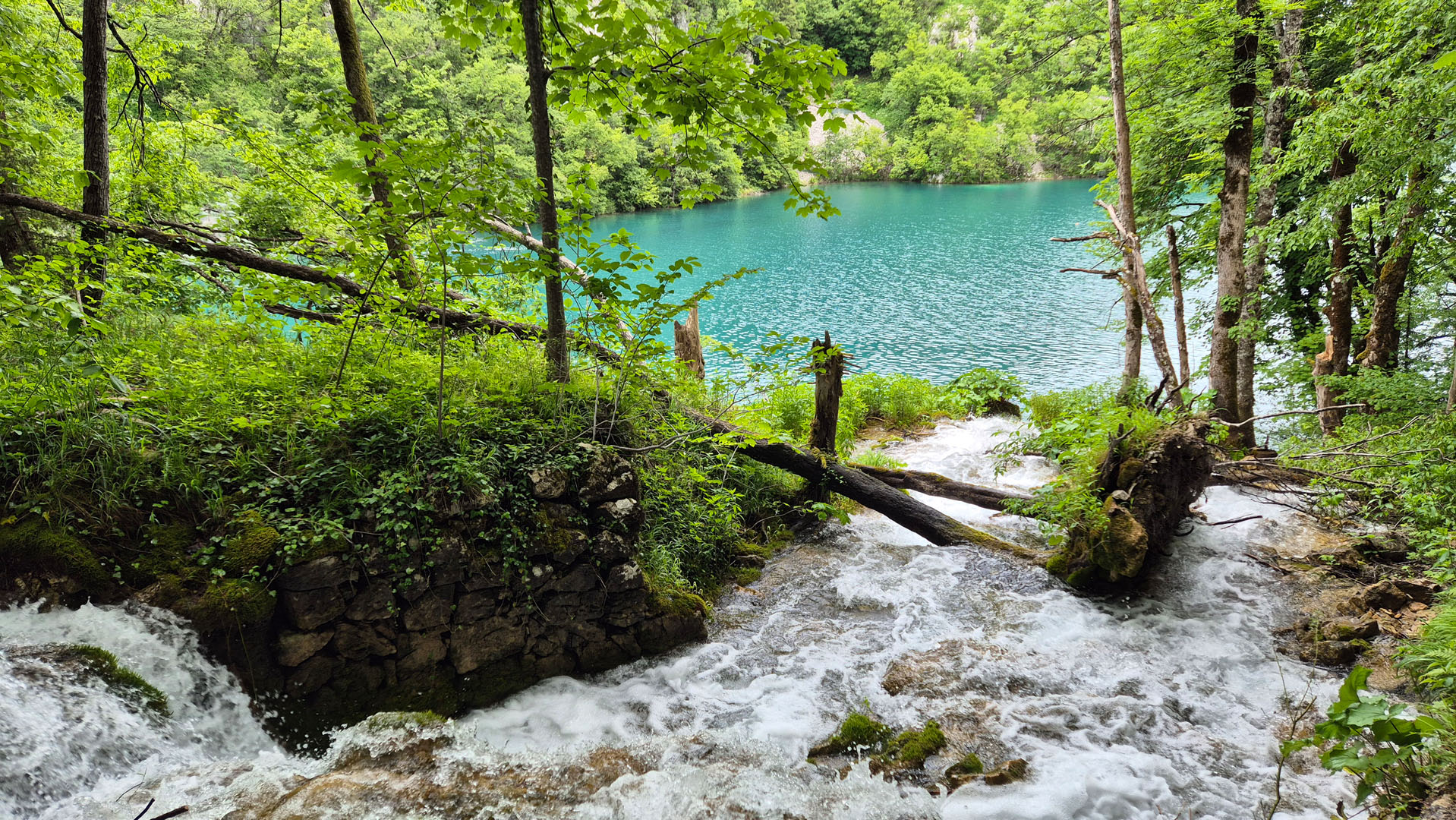
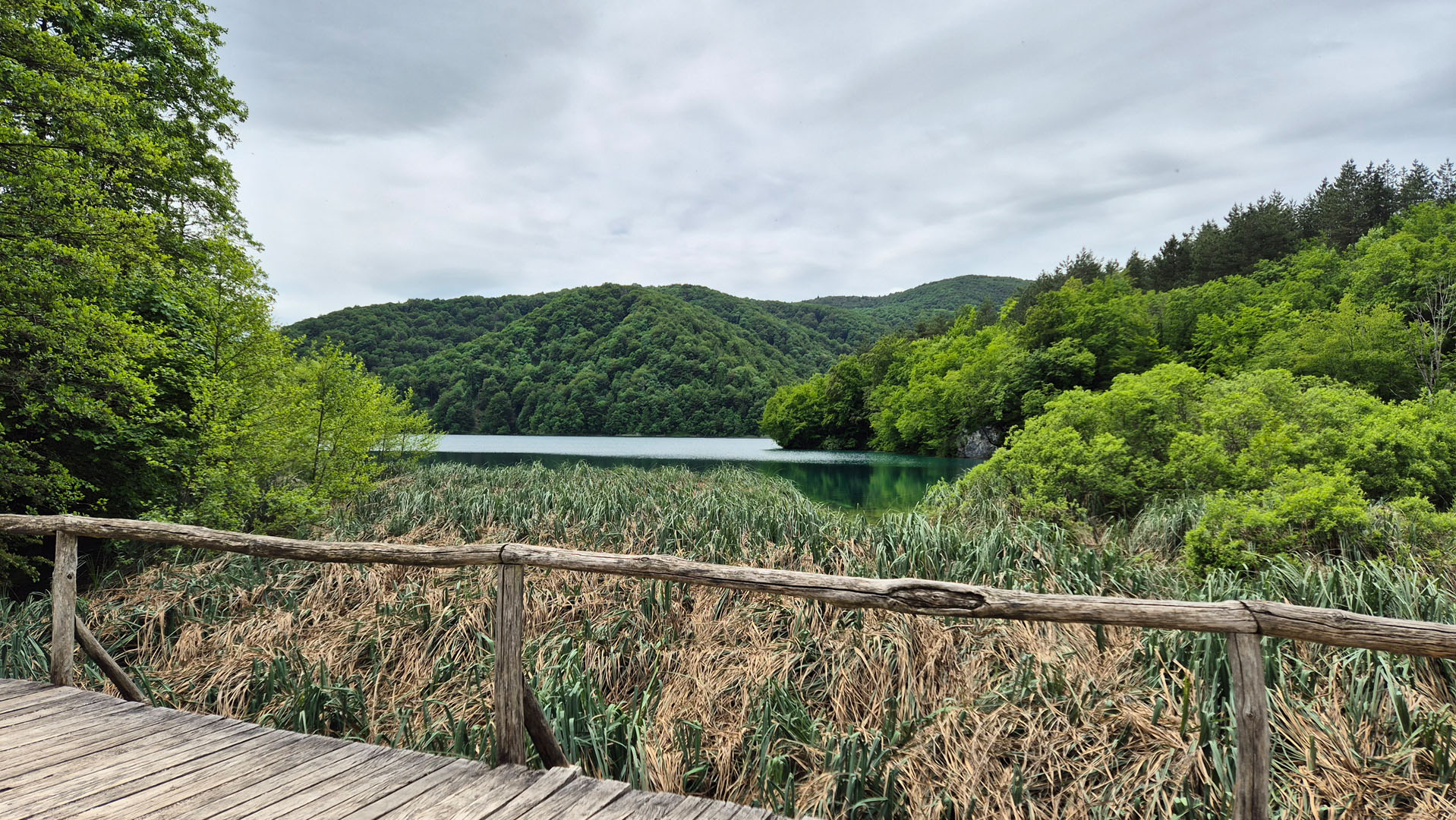
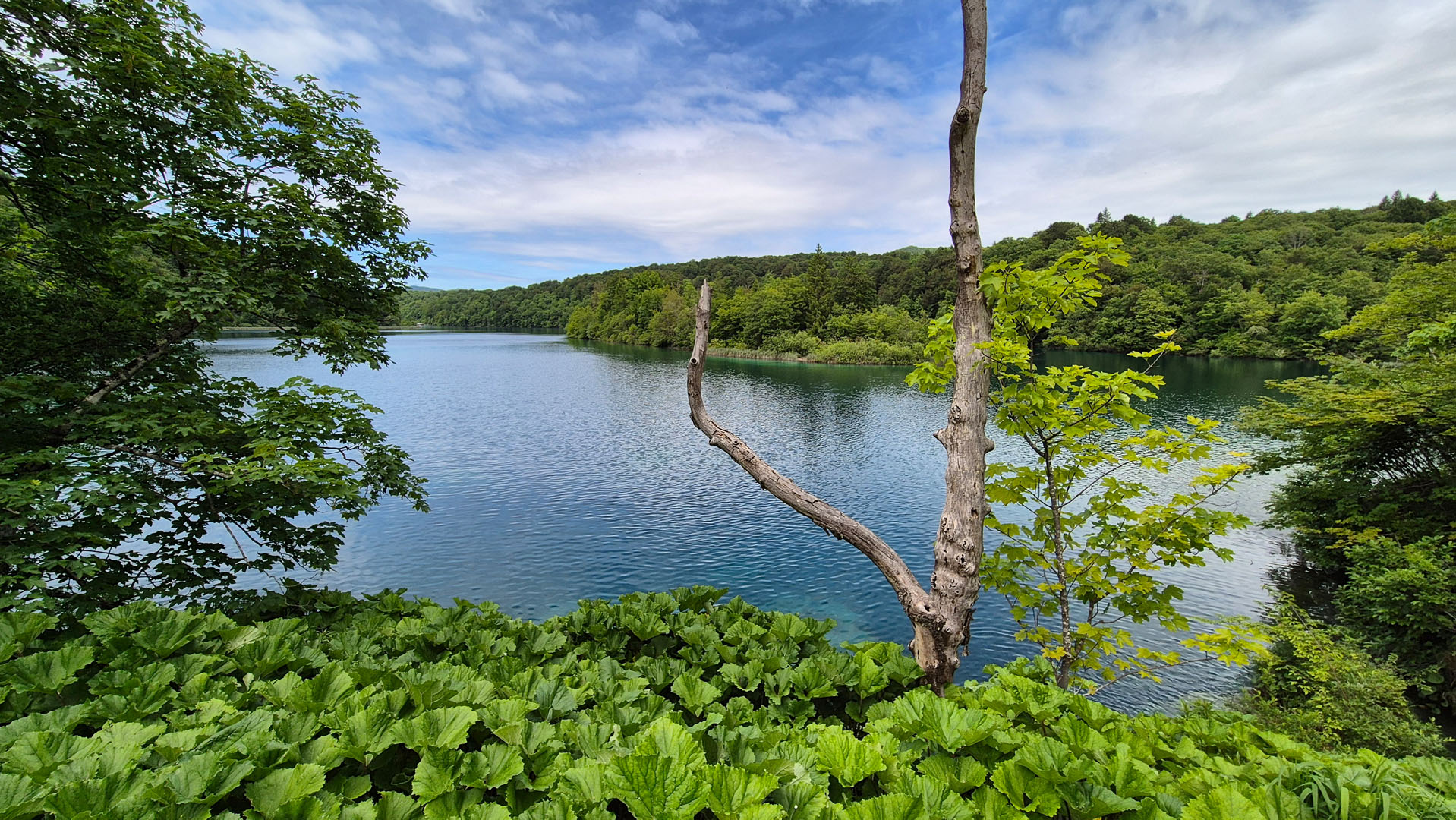
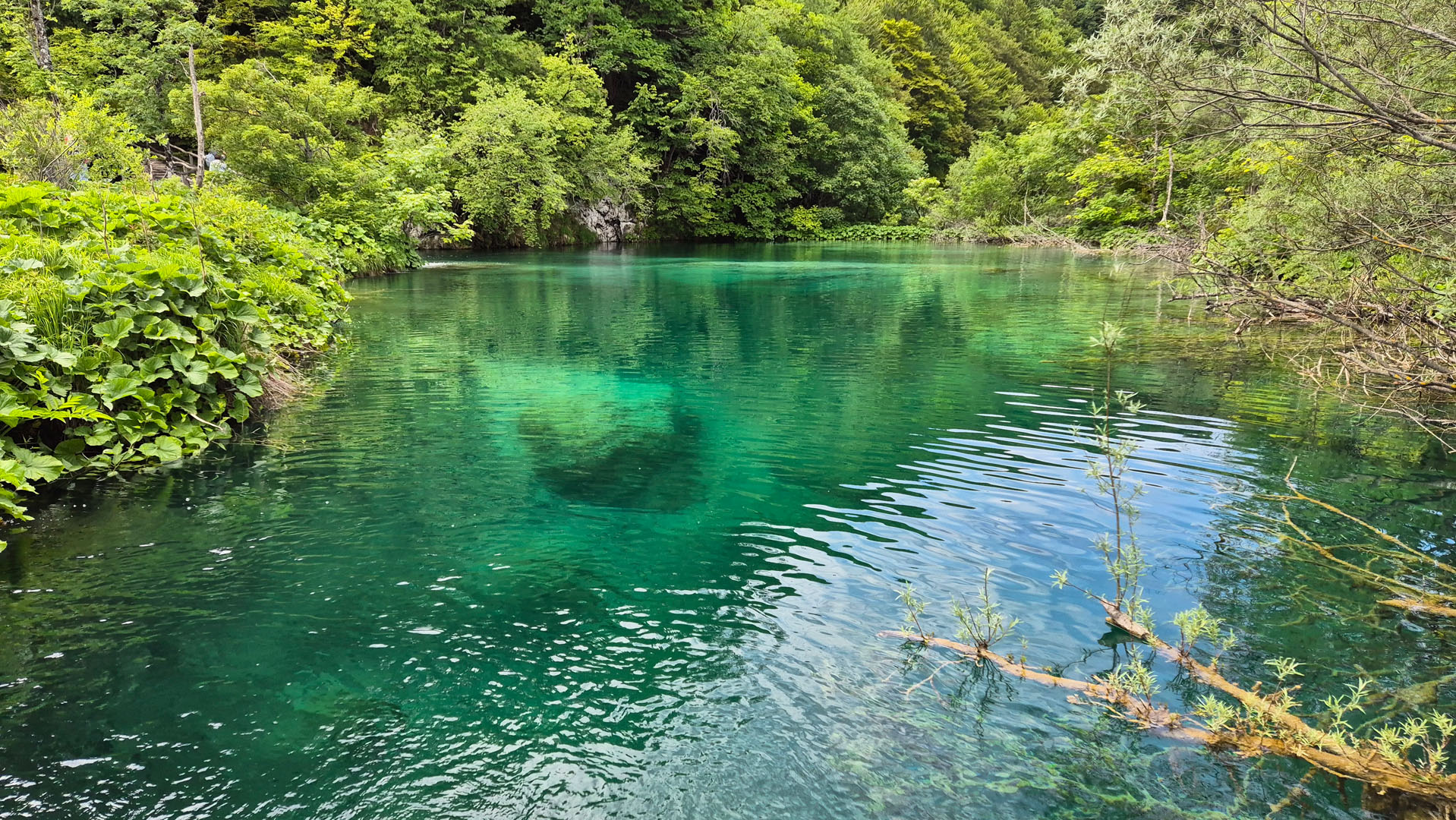
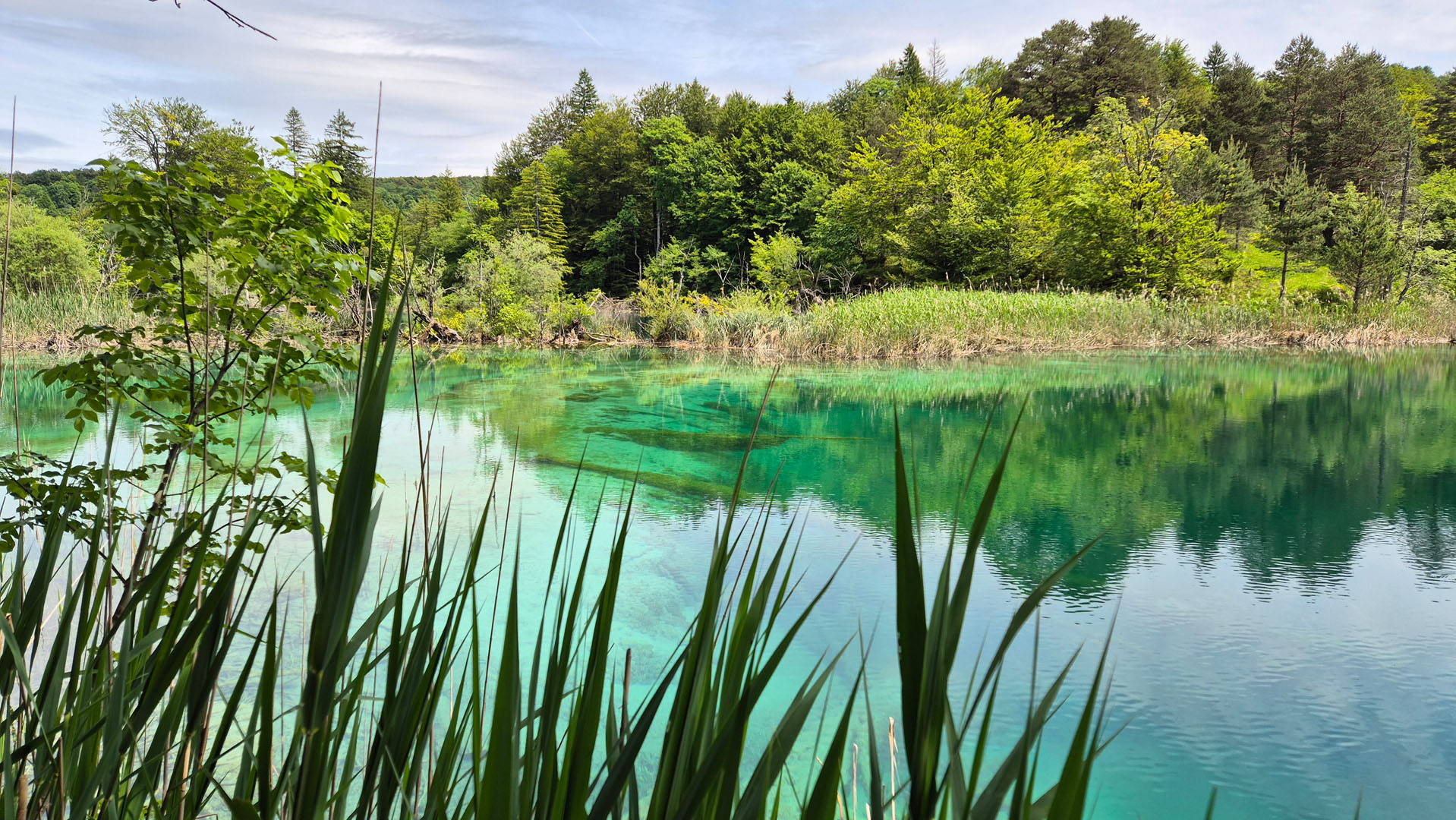
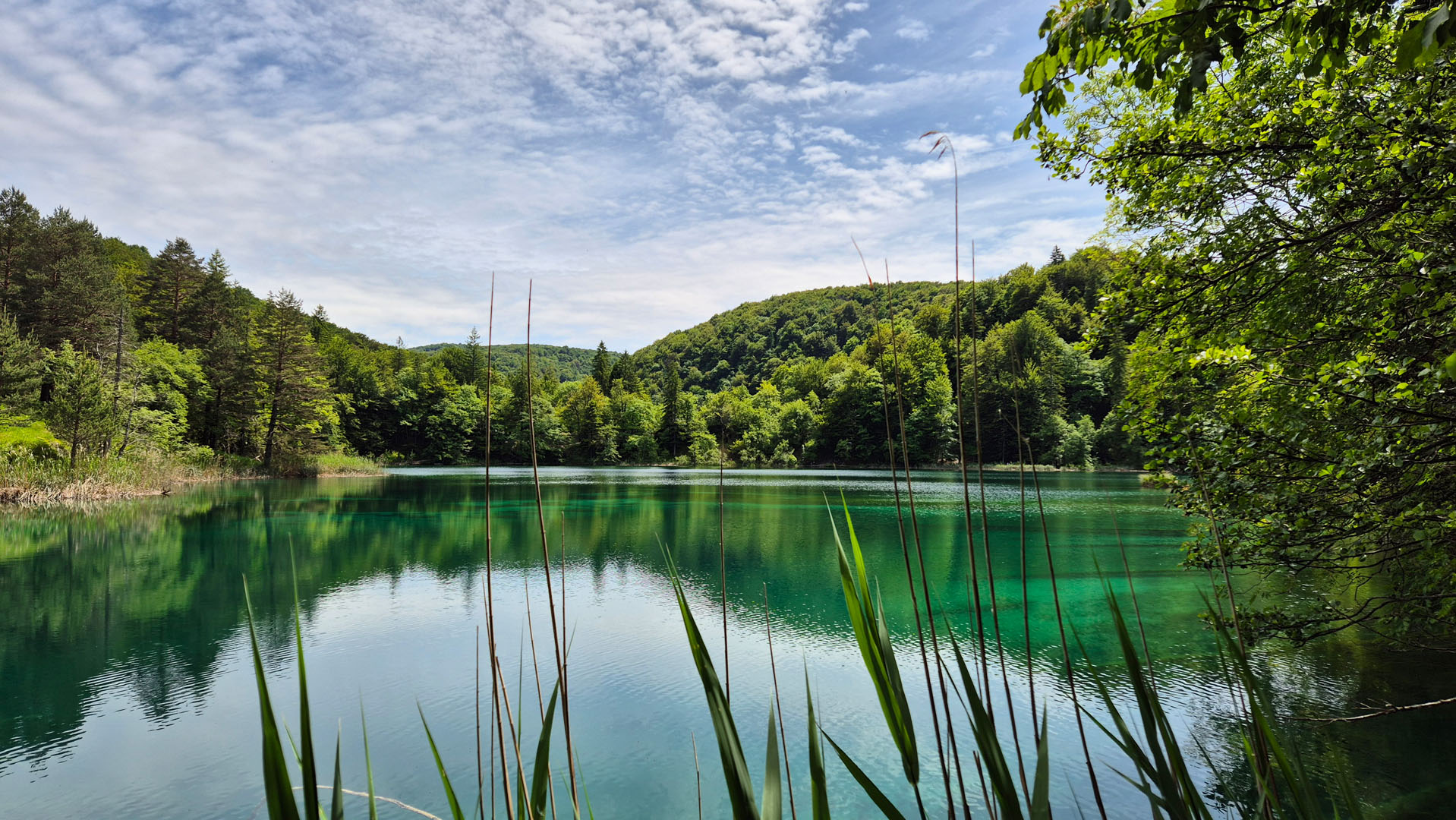
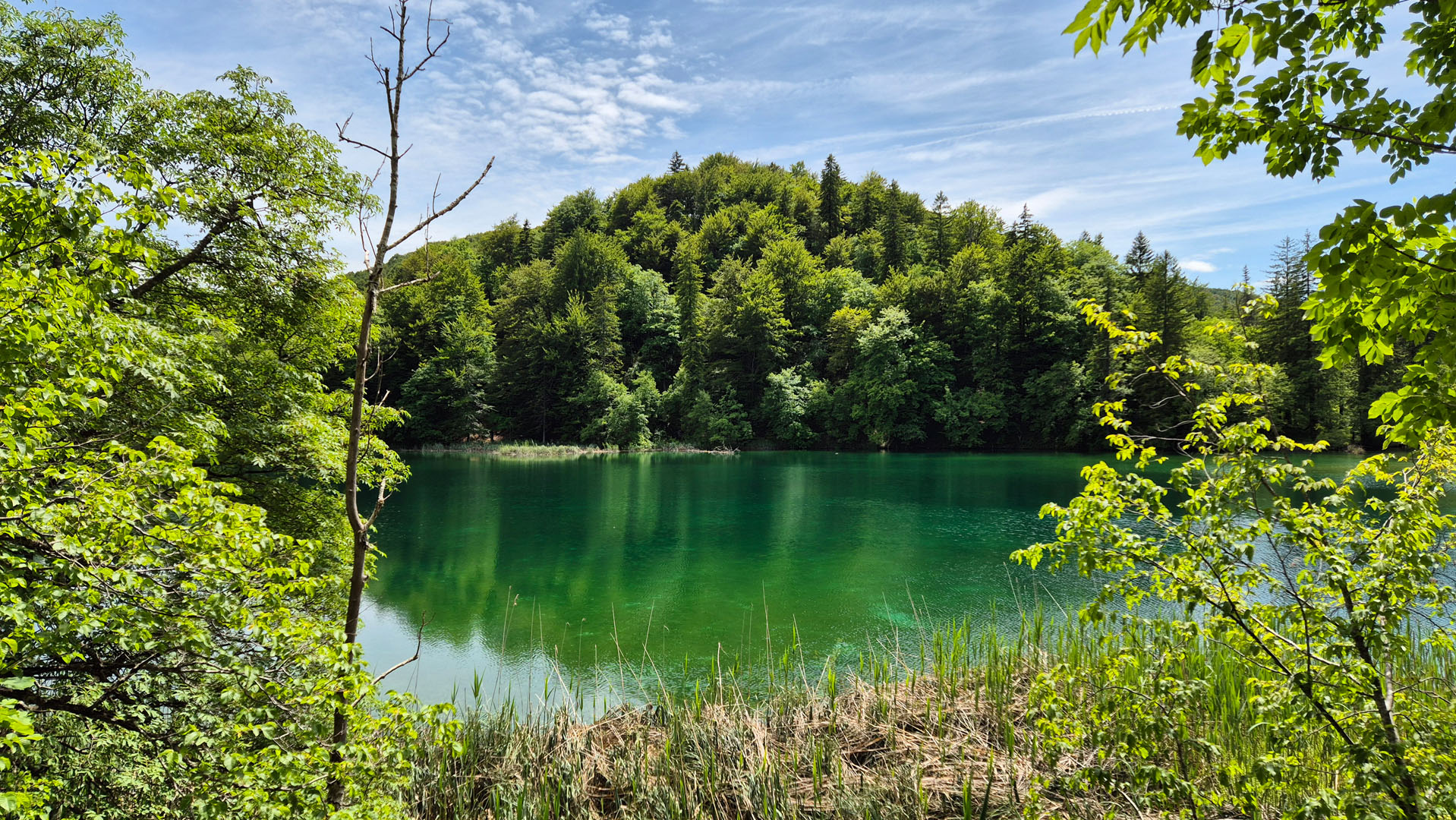
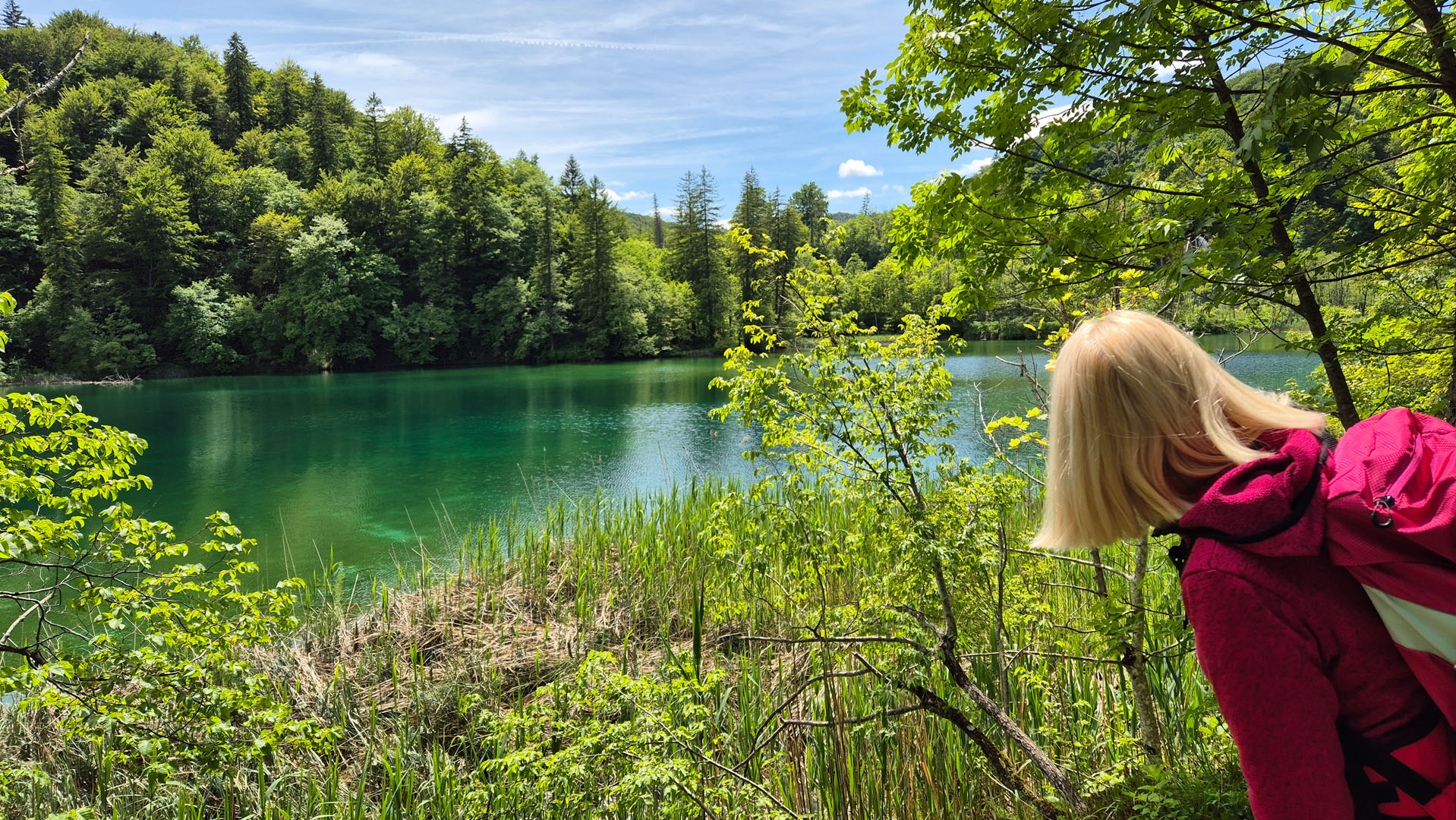
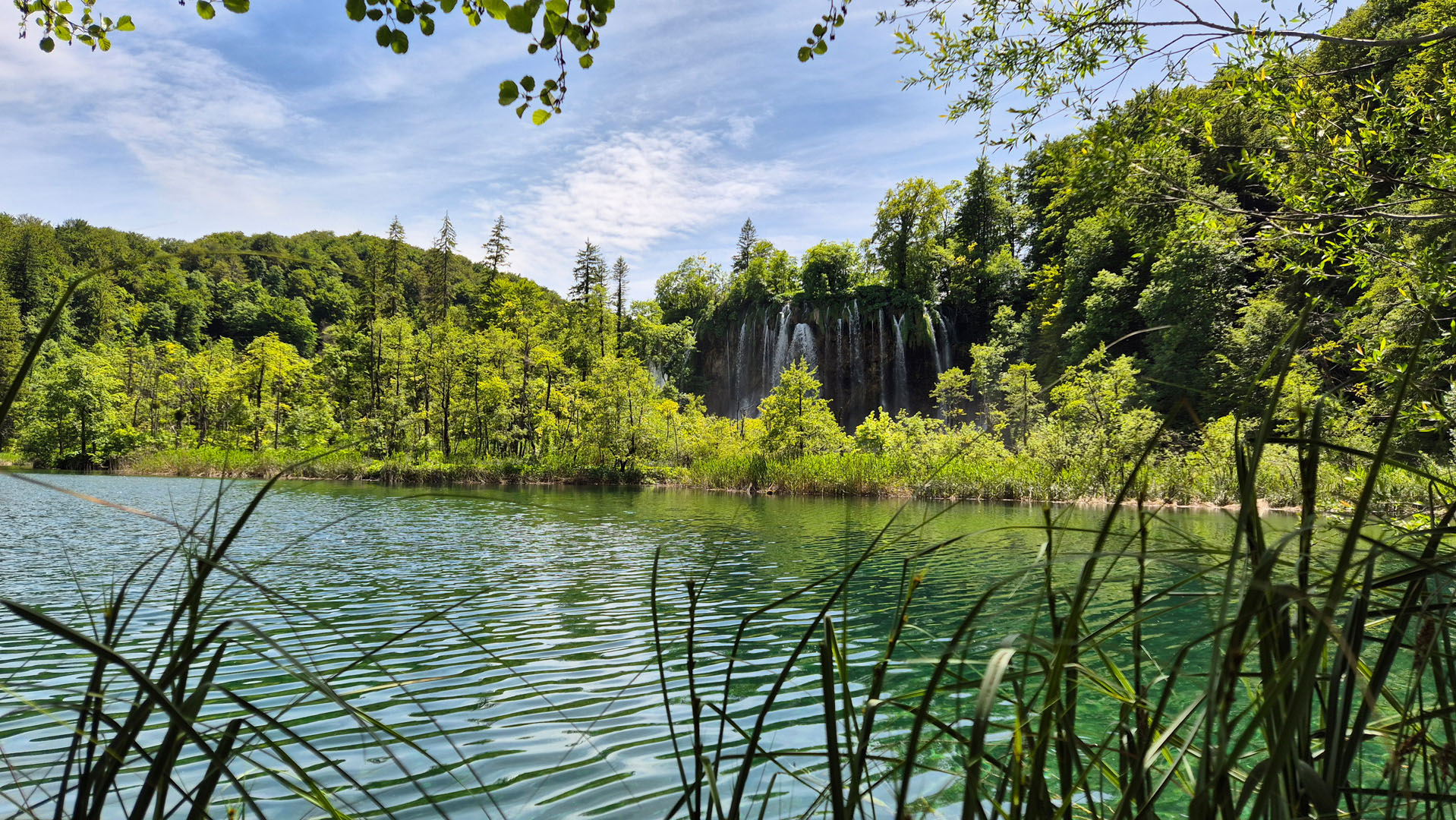
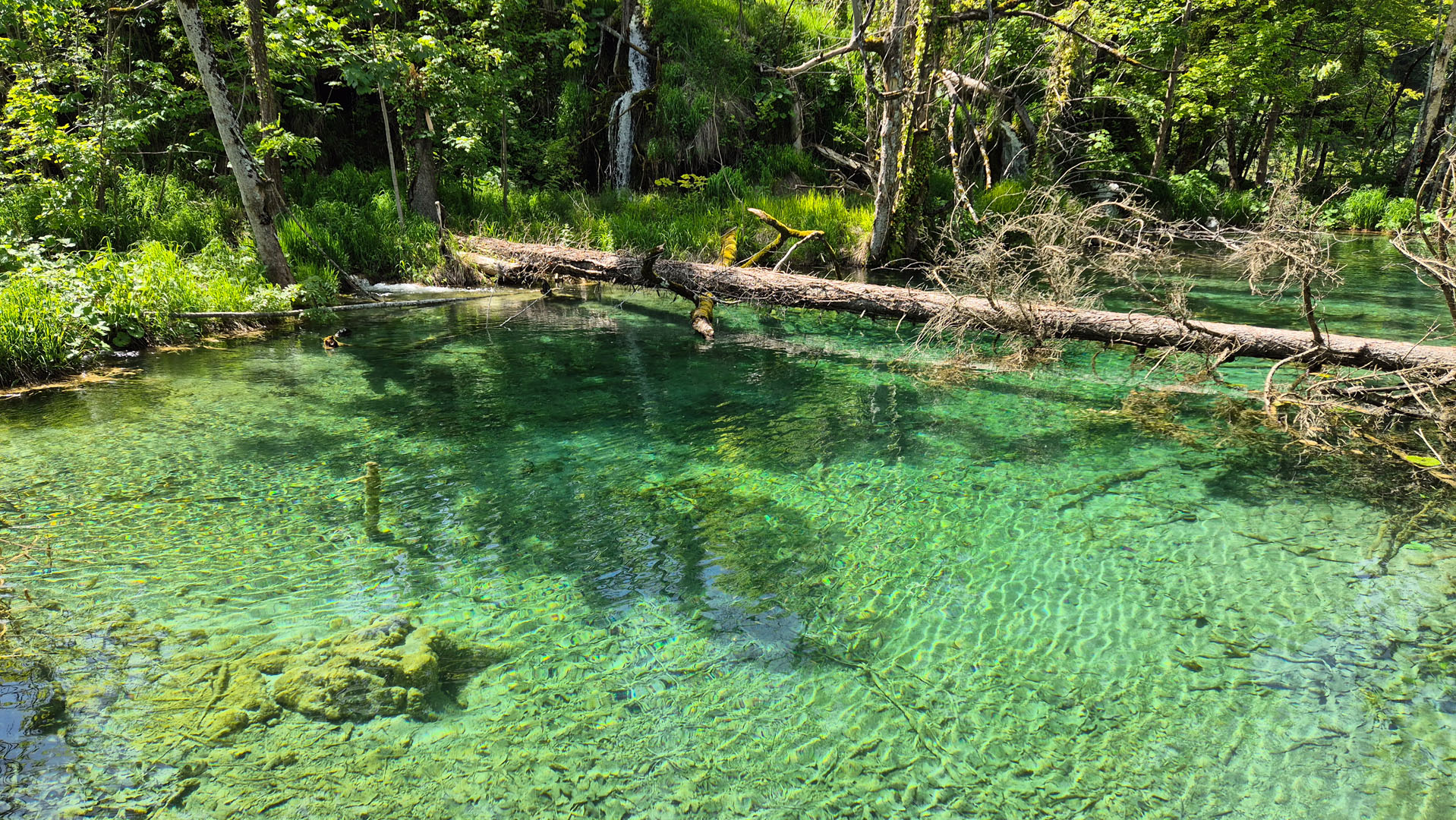
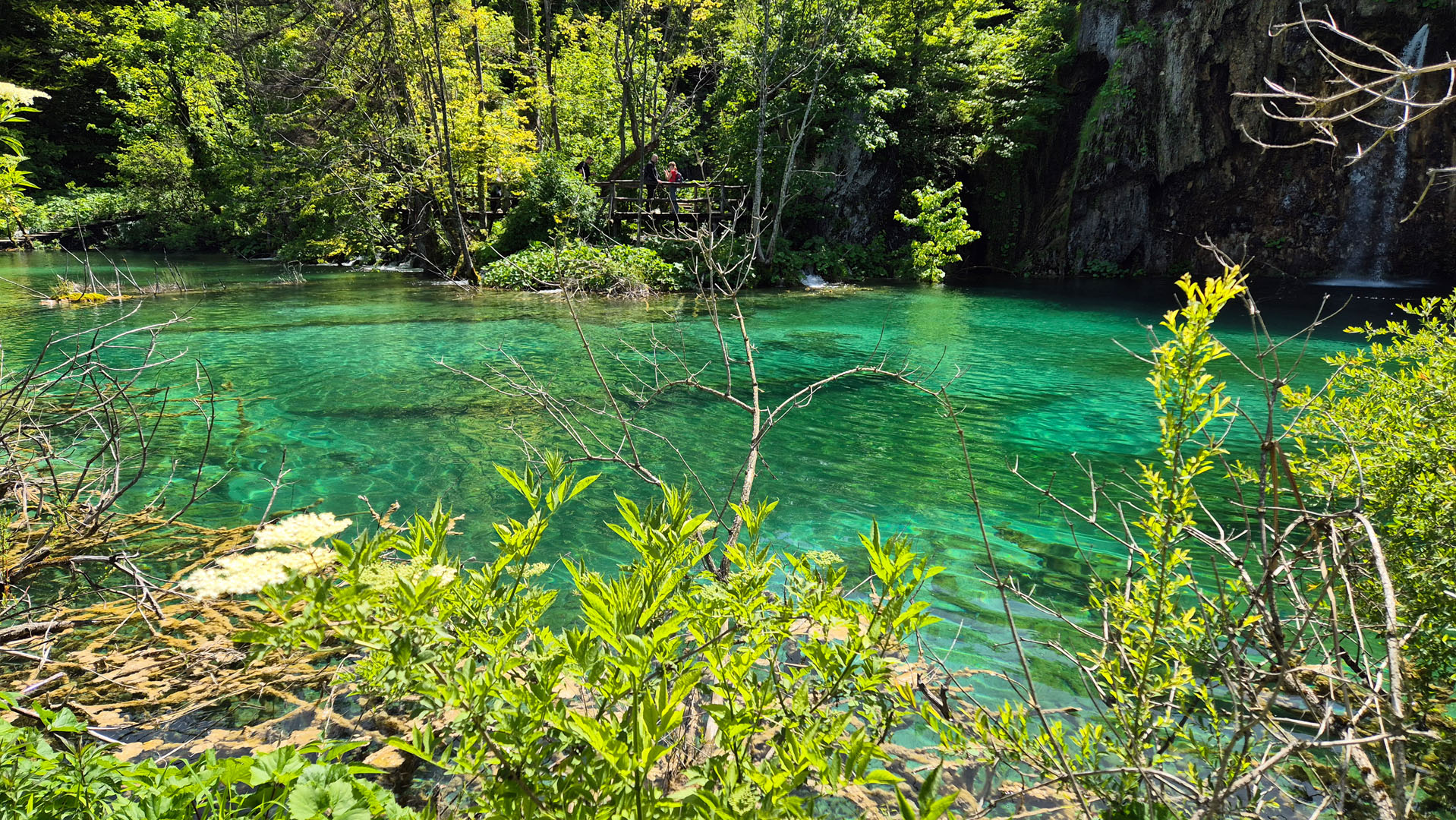
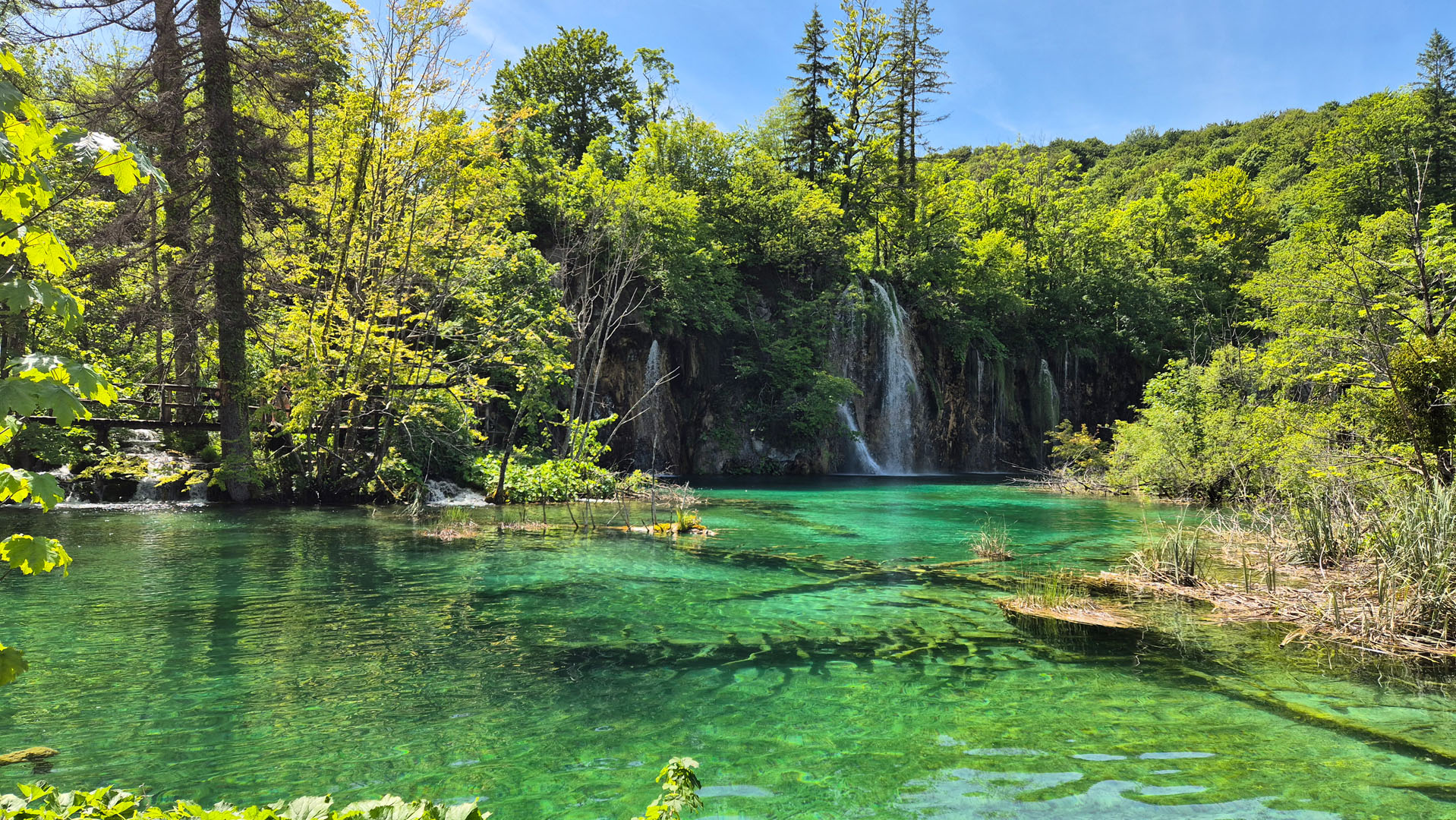
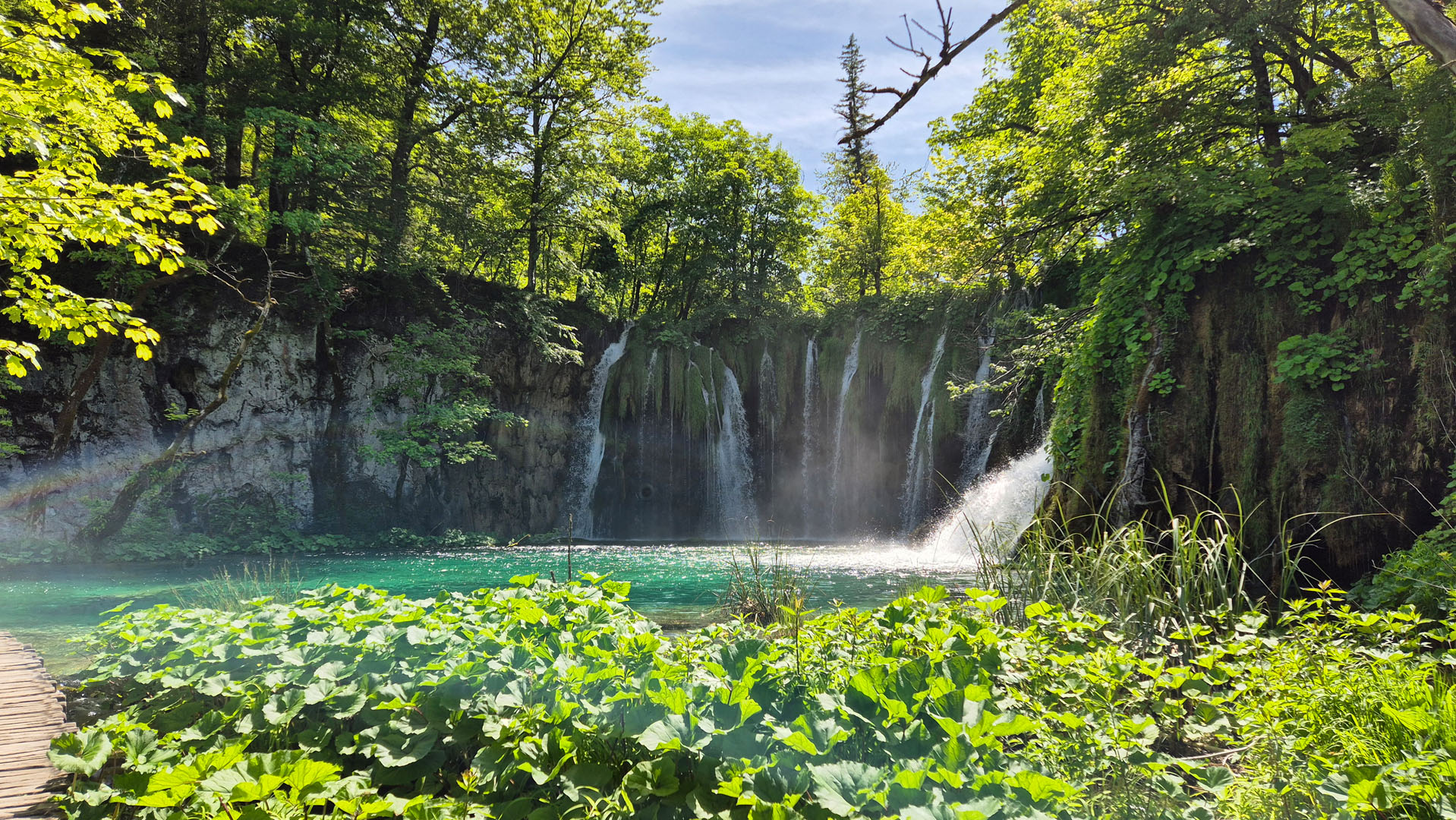
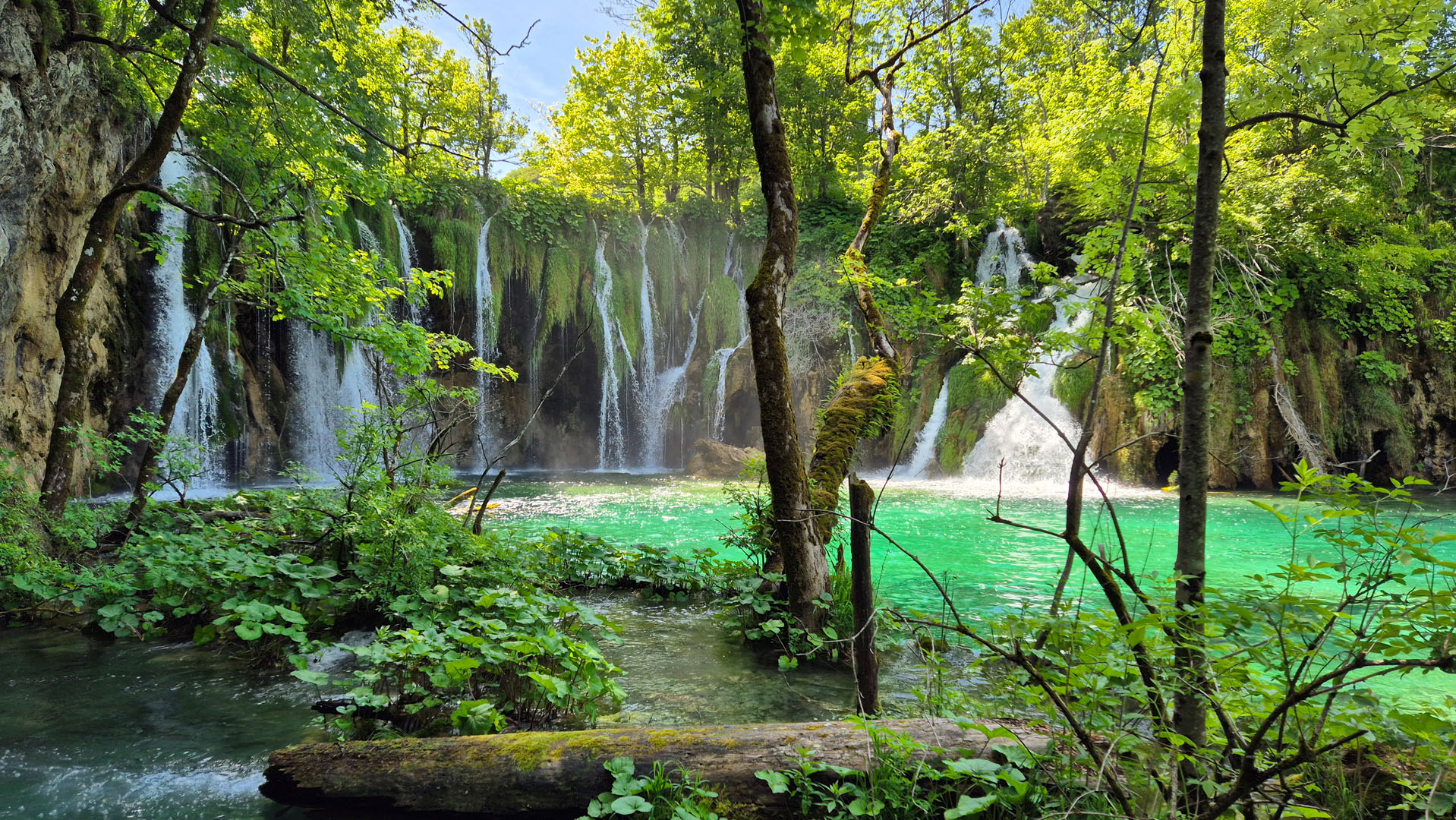
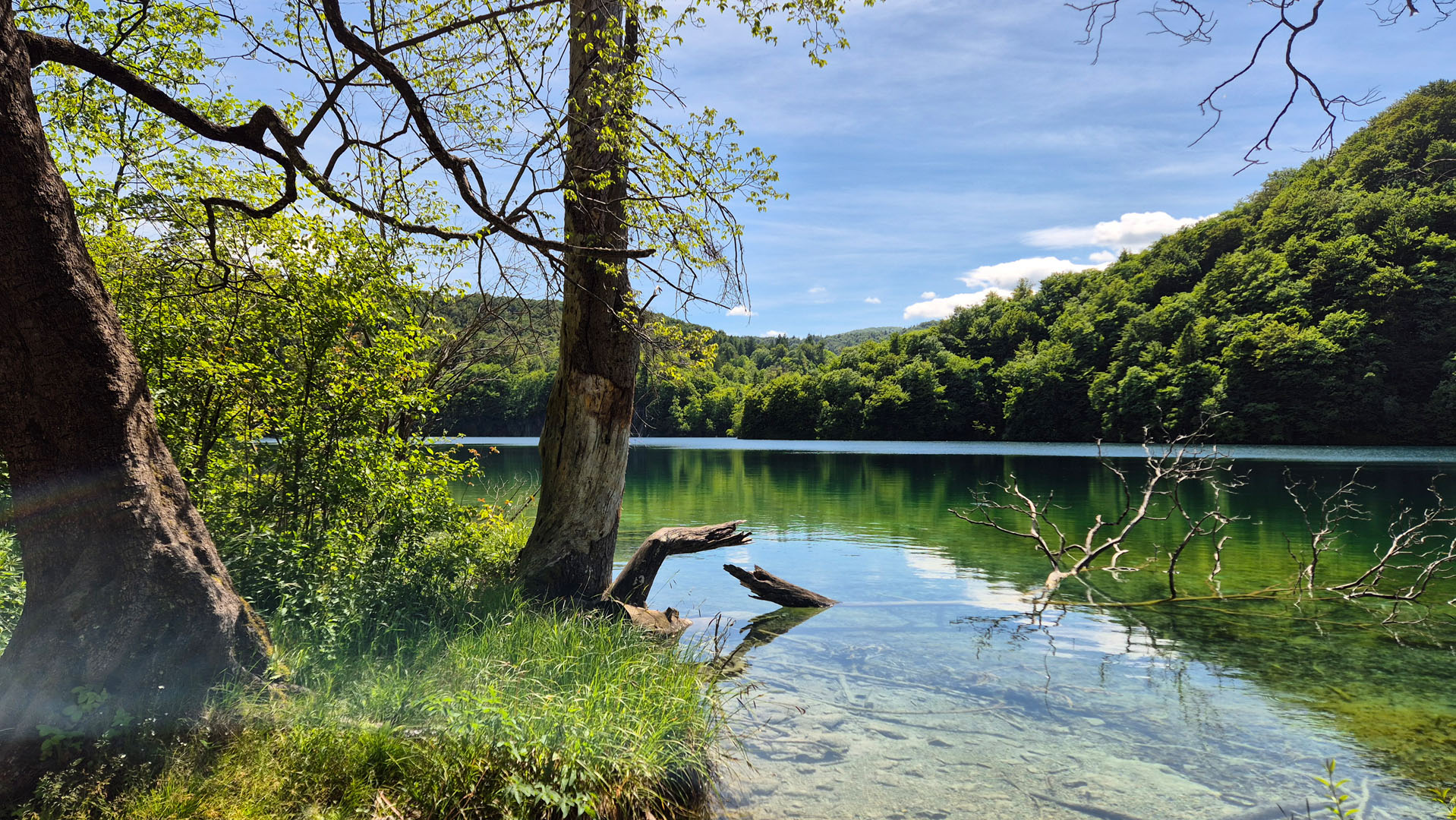
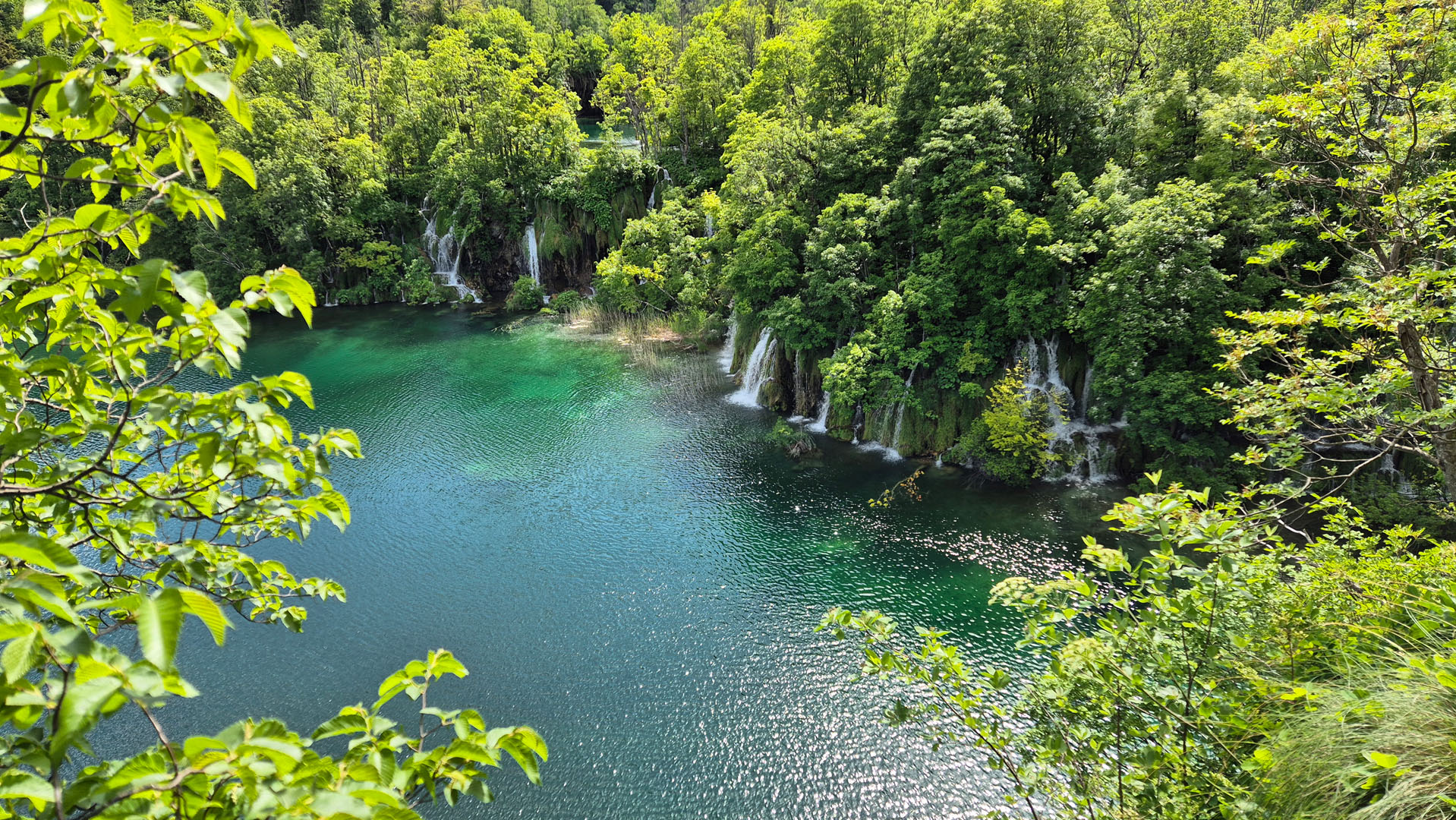
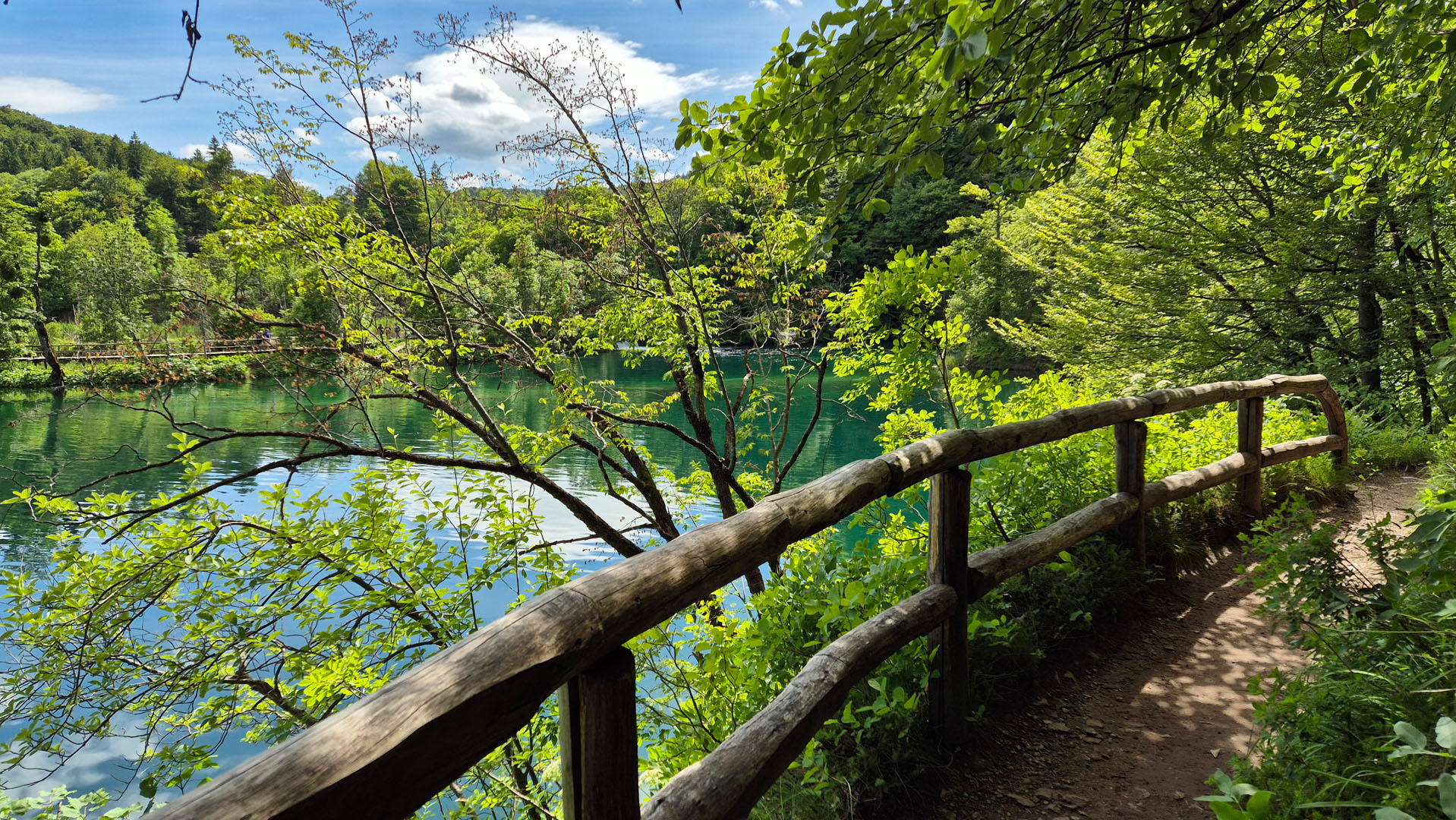
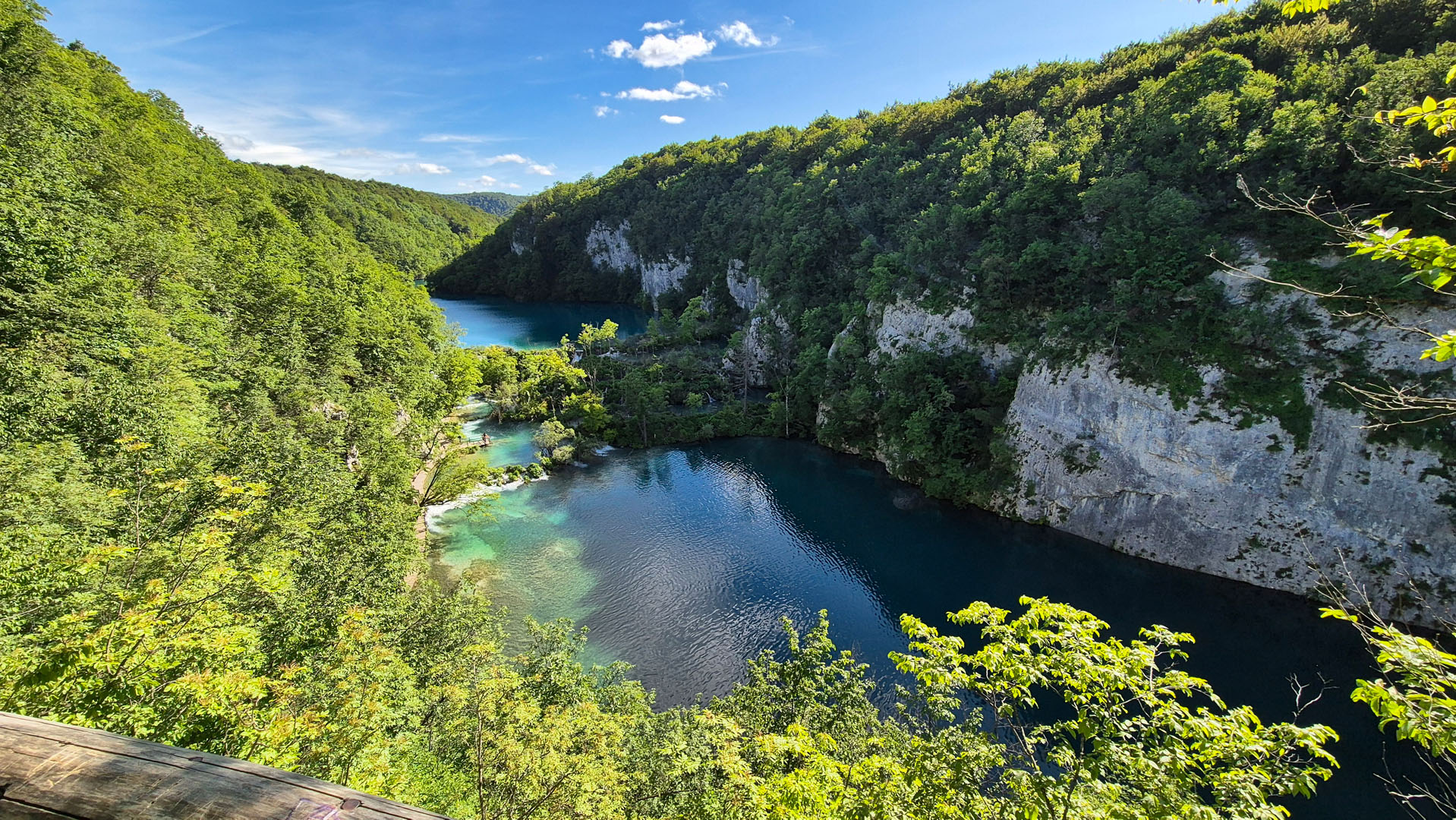
The colour of the Plitvice Lakes is incredible! We have seen a good many lakes around the world. Some of them have truly astonishing colours. We would single out in particular the milky blue of Lago di Sorapiss in the Dolomites and the Blue Lagoon in Iceland. Even so, the clarity and the colour of the Plitvice Lakes are special in their own way. However many kilometres you walk alongside them, they will delight you again and again!
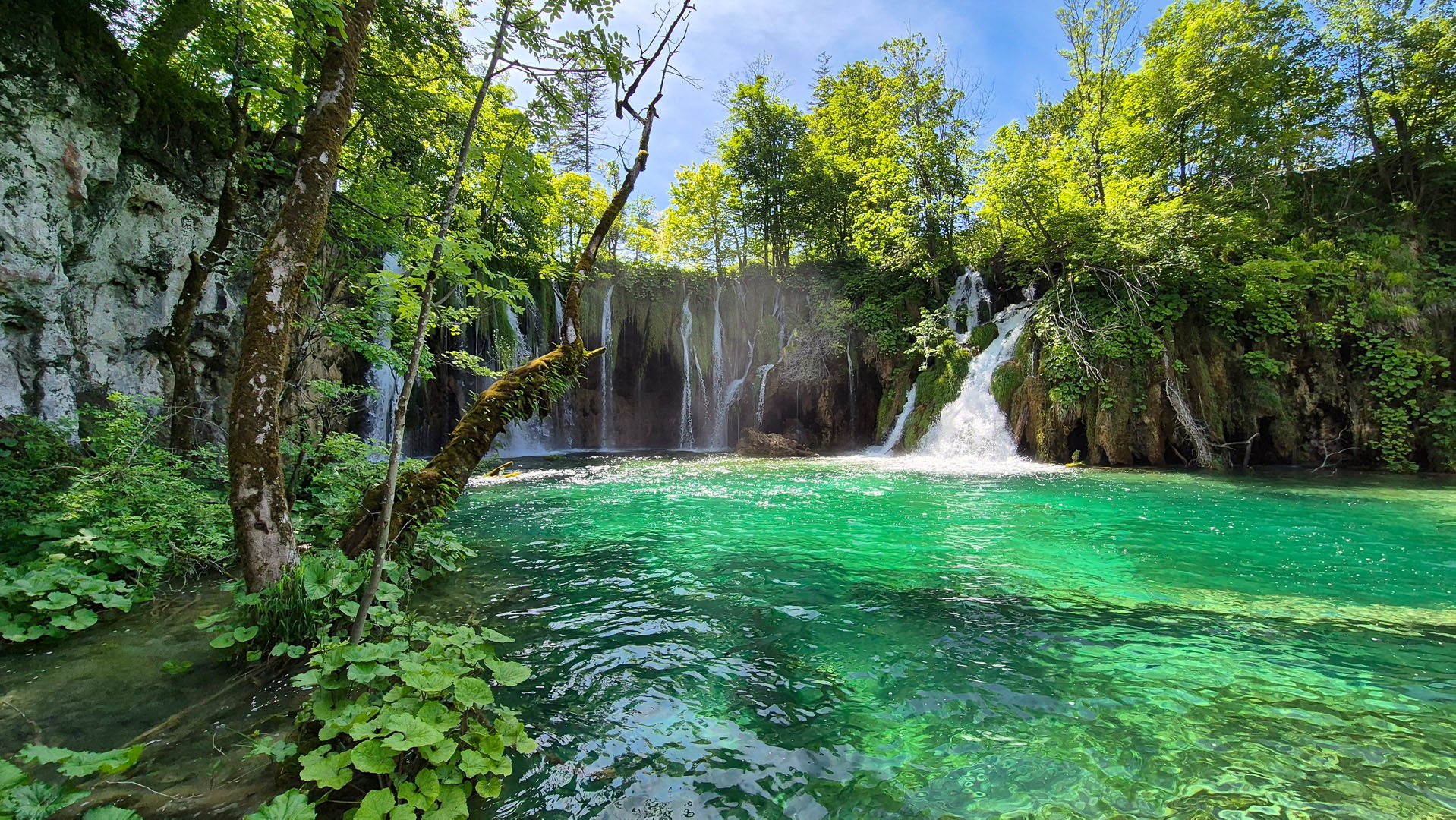


The sheer spectacle of the “finish”, with Veliki slap, Novakovića brod and Sastavci, the place where the Korana is born, is beyond compare!
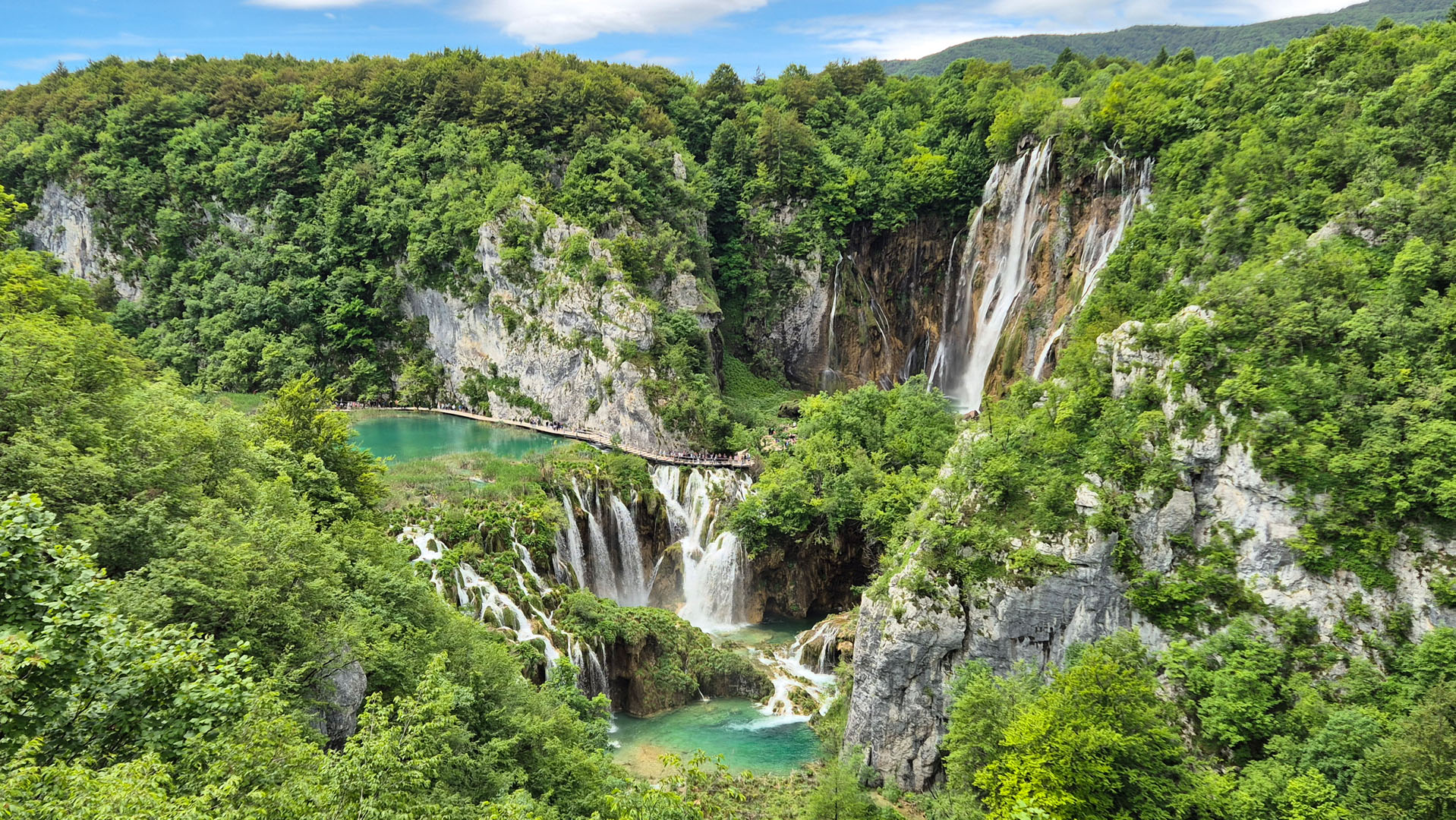
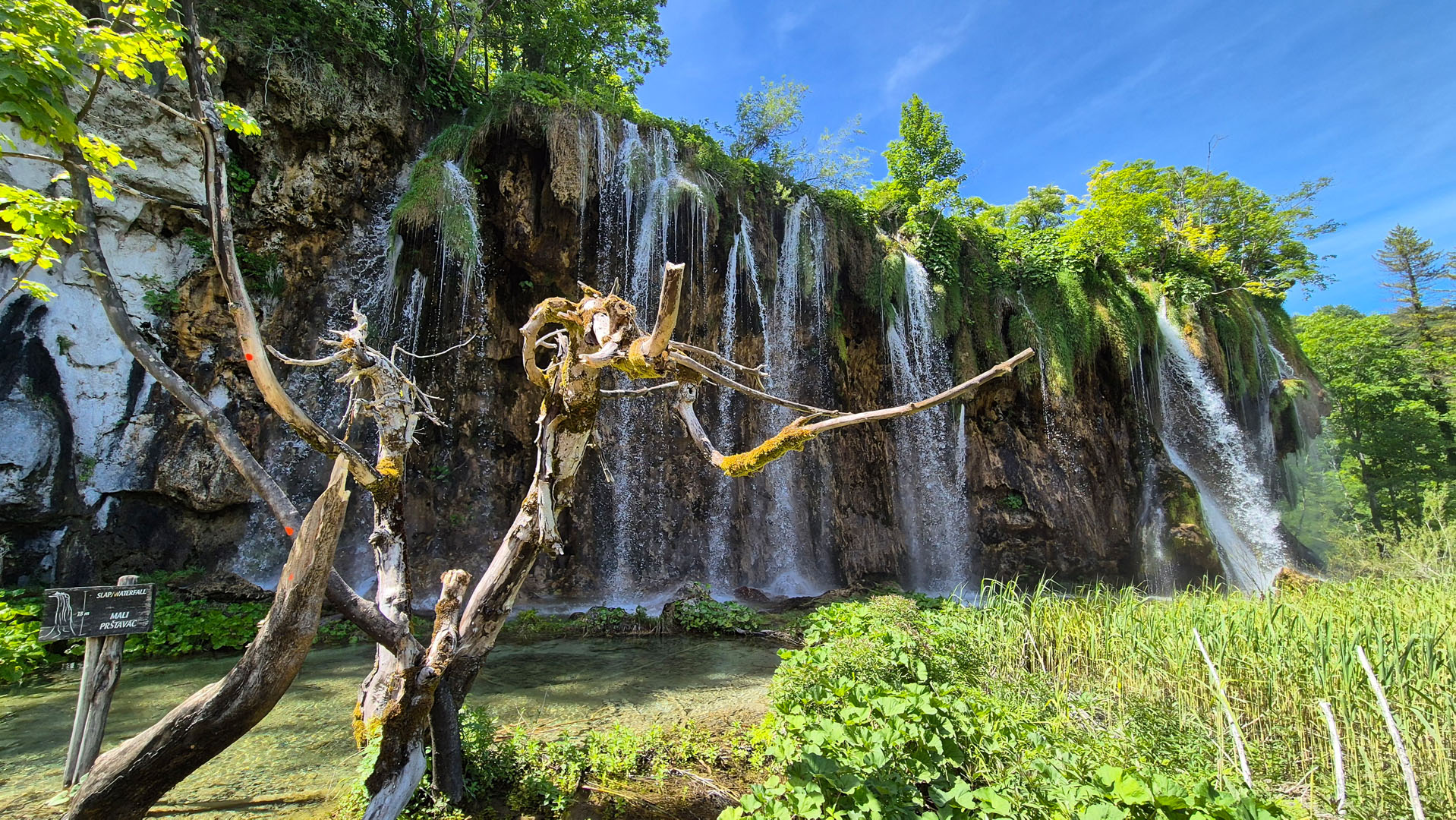
There are far more spectacular and powerful waterfalls around the world (Salto Ángel in Venezuela, Dettifoss in Iceland or Victoria Falls in Zimbabwe, for example), but the overall expression of this stretch around Veliki slap can stand shoulder to shoulder with the greatest attractions in the world!
Plitvice Lakes is one of the most beautiful national parks in the world
With so many visitors, however, it is hard to feel the wildness of nature, and it is precisely that wildness which gives a place its special dimension. There are several places in Croatia where we had a far more intense experience than at Plitvice. But if we had to advise a foreign visitor on “what to see”, Plitvice would certainly be at the top of the list. It is beautiful, it is big, and it is simple to organise.
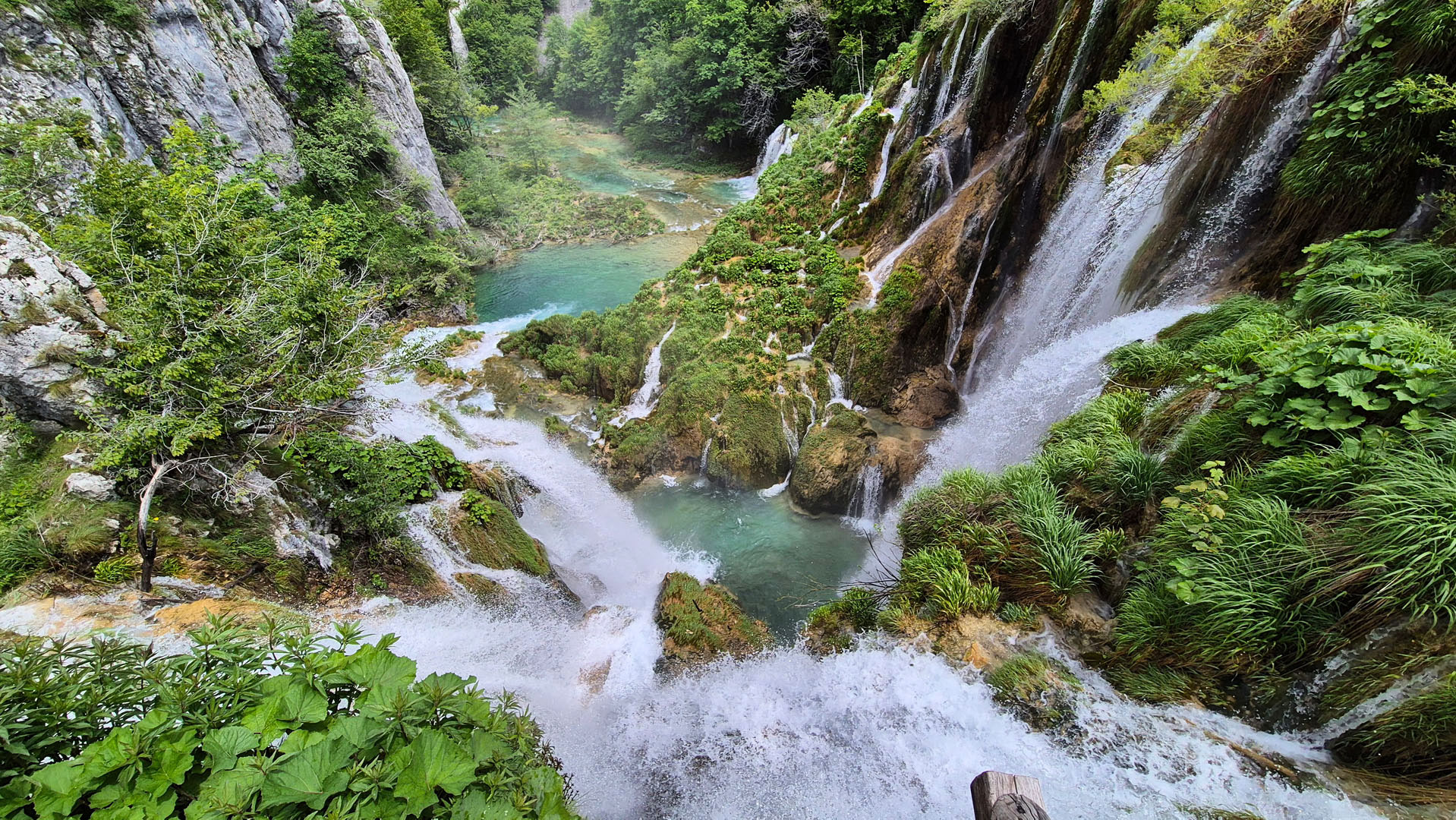
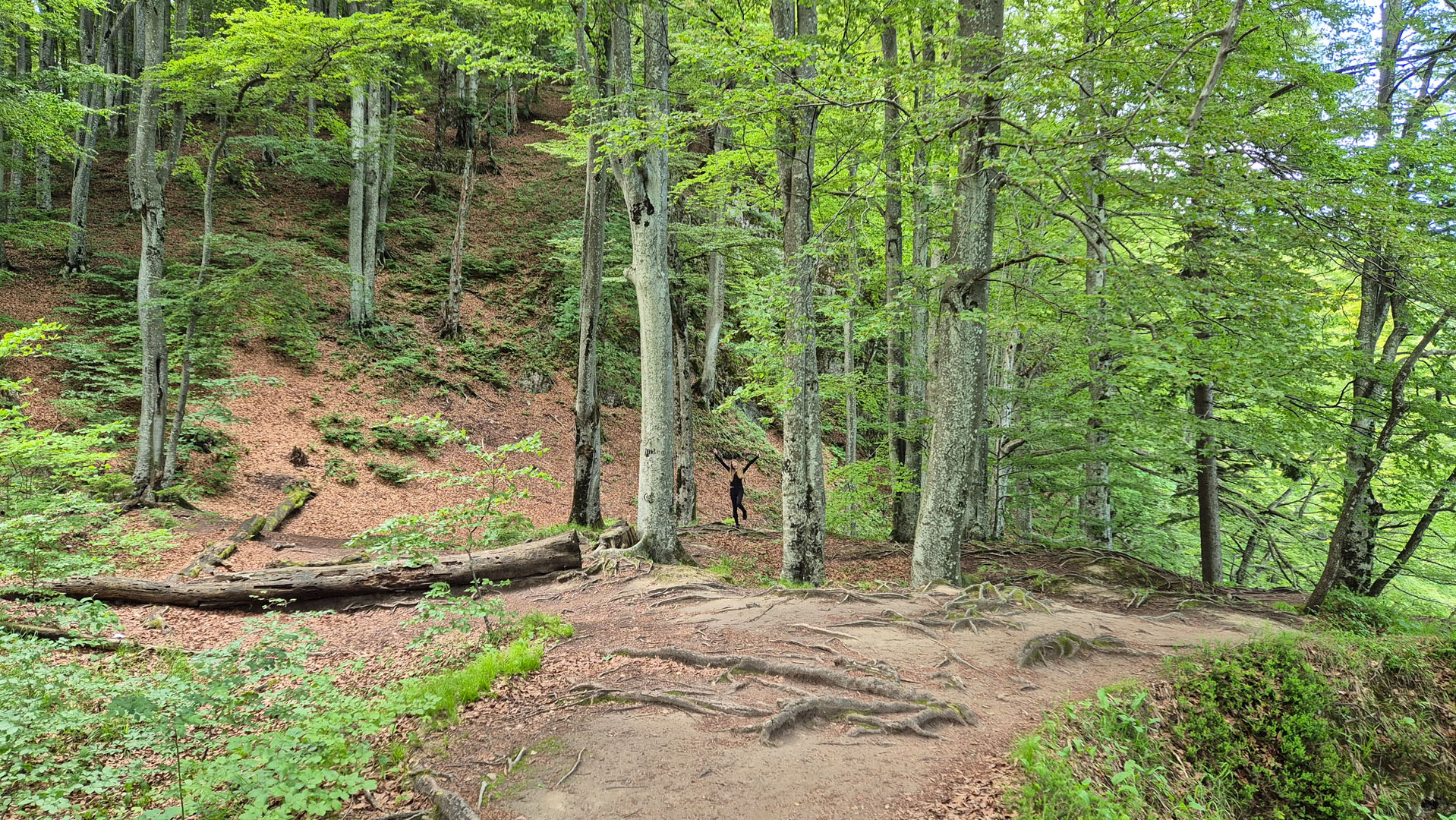
Besides, Plitvice is not only lakes and waterfalls framed by forest. The surrounding area is every bit as magical! Whether you head towards Rastovača and Smoljanac or the other way towards Plitvica Selo, there is plenty to see and experience.


Krka or Plitvice?
Visit both! Although the theme is similar (water and waterfalls), these are two completely different attractions. Plitvice has always been the crown of Croatia, but Krka is incredible in its own way. Some moments there are so special that it would be a great shame not to experience them. Coming up against the sheer force of Skradinski buk (on the left bank of the river), for instance, is a moment you will not experience at that intensity anywhere in Plitvice! And then there is the ethno village, or the canyon upstream… In any case, stay with us, because an article on Krka is in preparation and coming soon!
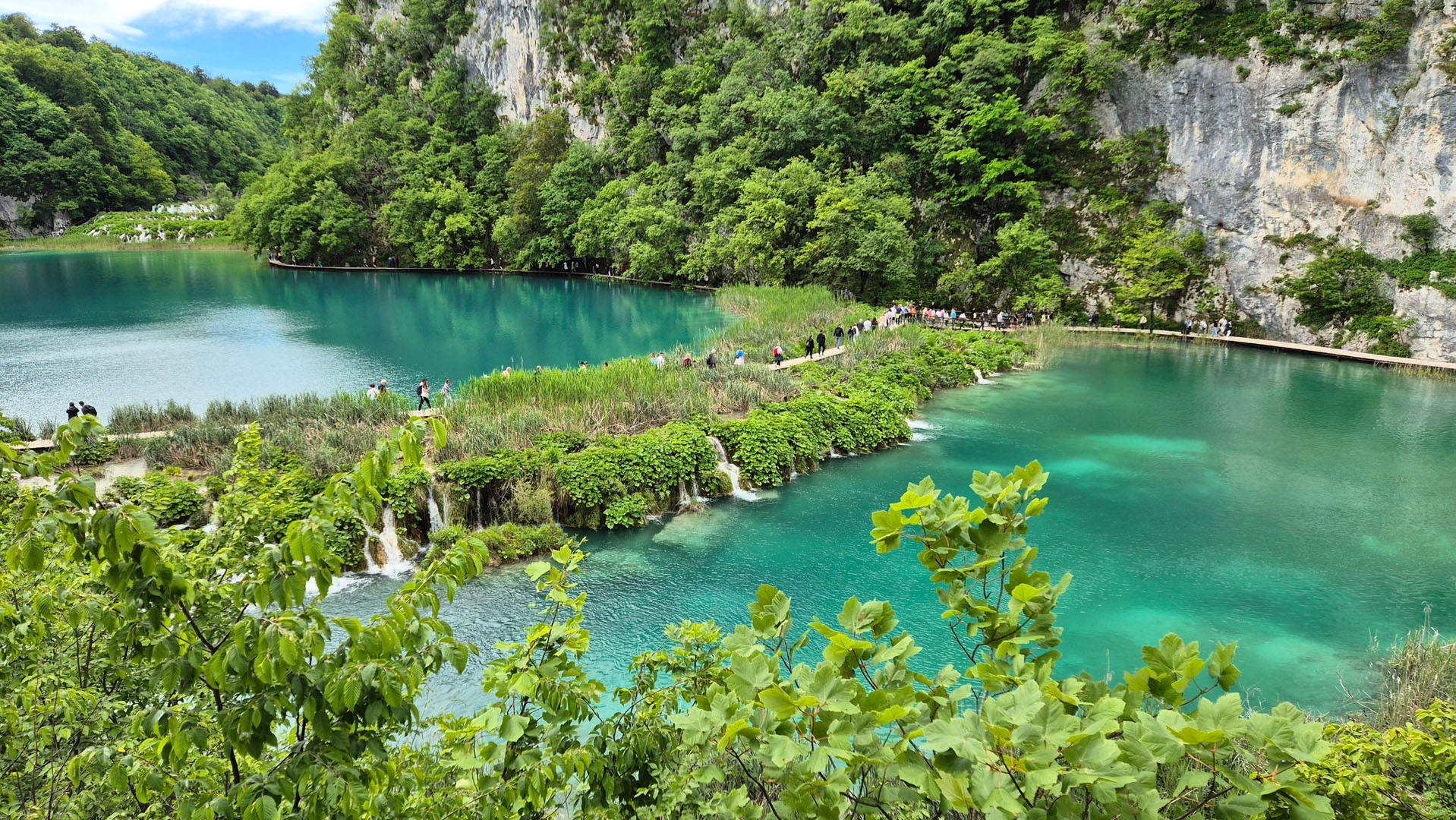









The viewpoint “outside the park”
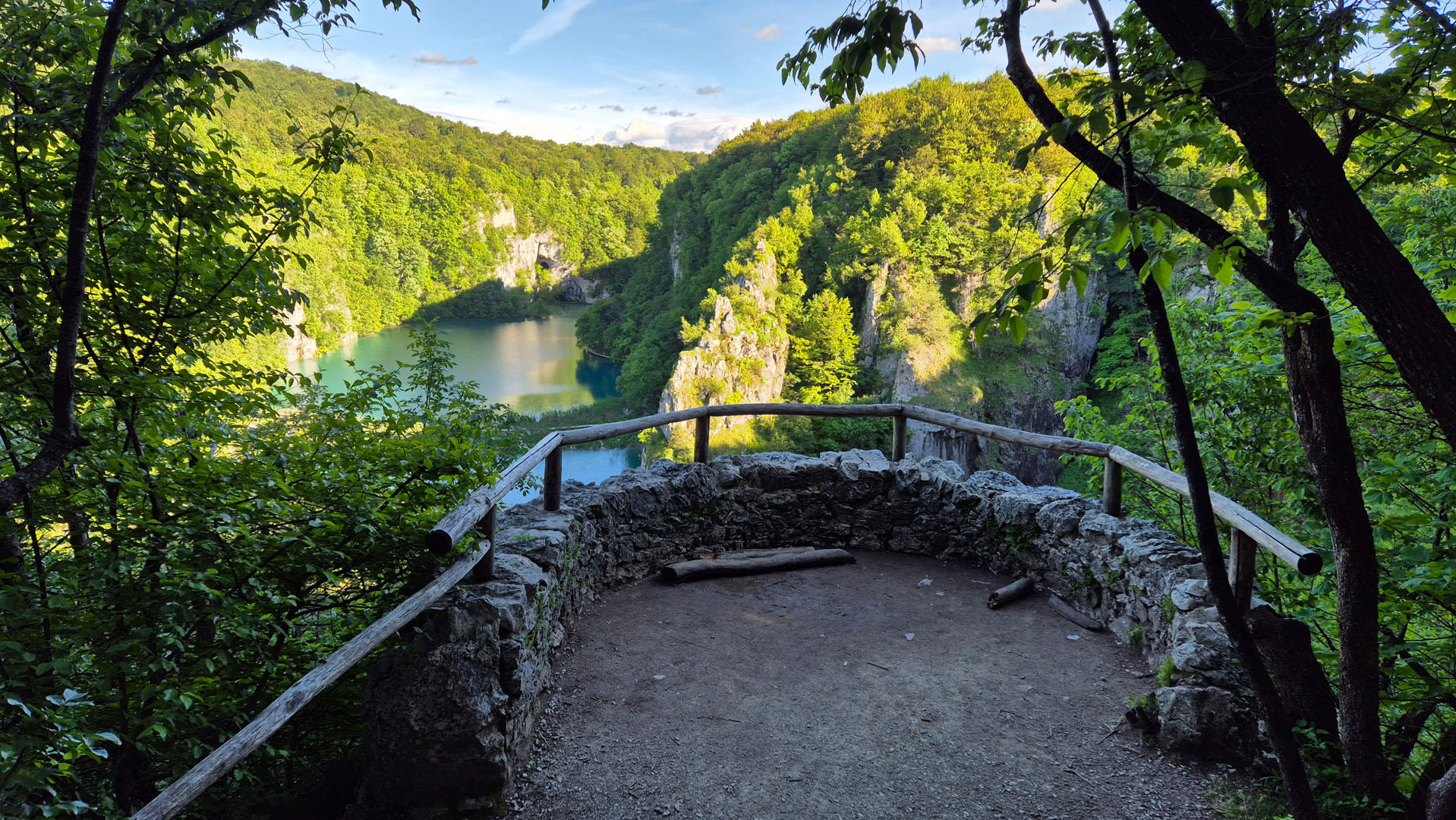
There is one viewpoint that lies outside the “paid” part of the park. We were running a little late and only got there around 6 p.m. (at the end of May). Most of the canyon was in shadow. I think the best time to visit is early afternoon, or perhaps even early in the morning, although in the morning the sun may well be straight in your eyes and your lens.

The exact spot where the short path (about 170 m) to the viewpoint begins is here: https://maps.app.goo.gl/mpgcJpe2DX5nwjwF6
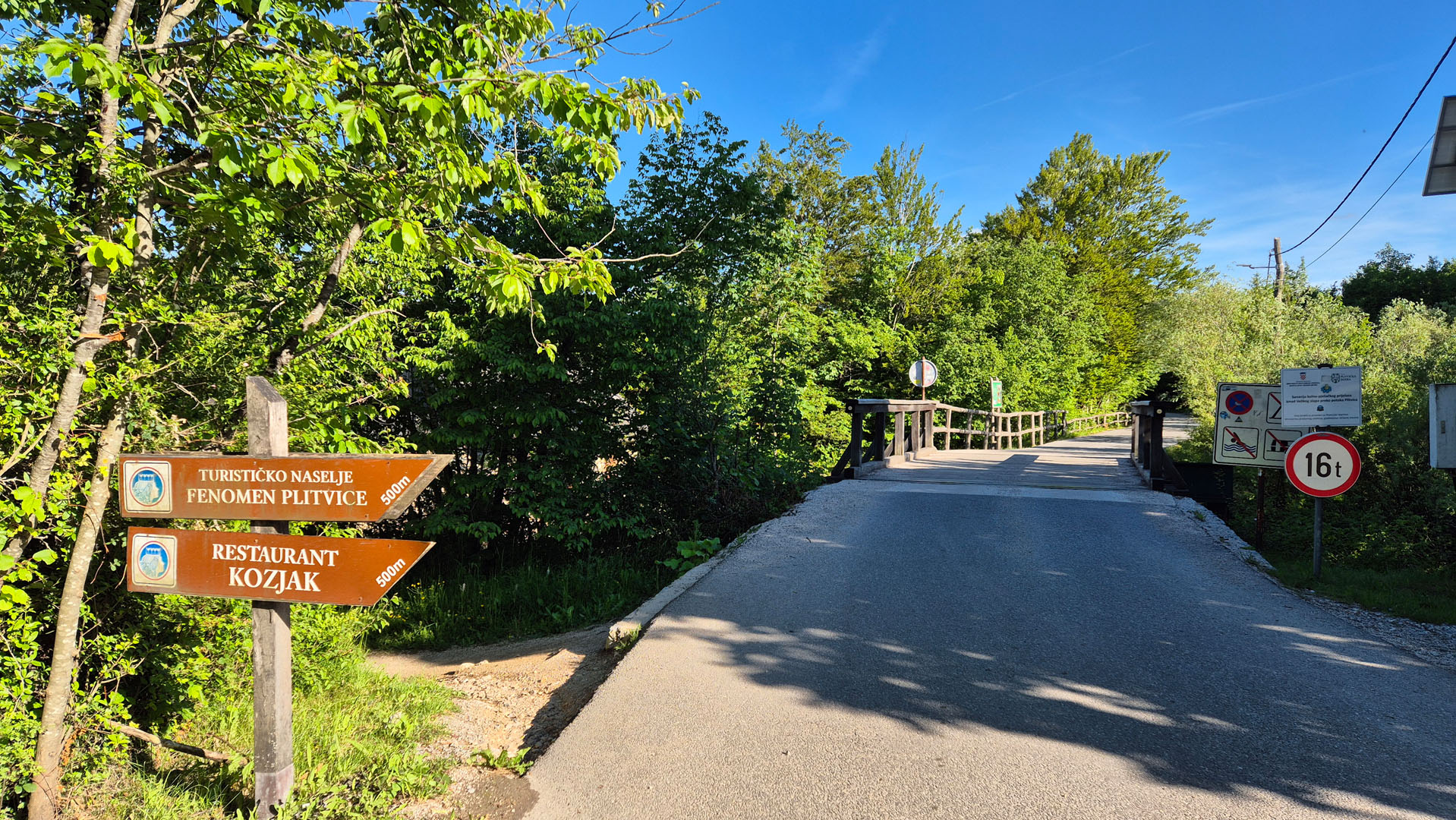
There is room to park on the approaches to the bridge.



Special
Although our focus is on Croatia, due to great interest in reviewing some international locations from our travels, we decided to launch the Special section. In it, we will not cover locations in the same detailed way we do with Croatian ones, but will instead provide a brief overview of multiple locations grouped into meaningful categories. The only criterion we still strictly follow is that they must be natural attractions.

