

Fortica fortress (Španjola), Hvar
Location: HvarDifficulty: Easy
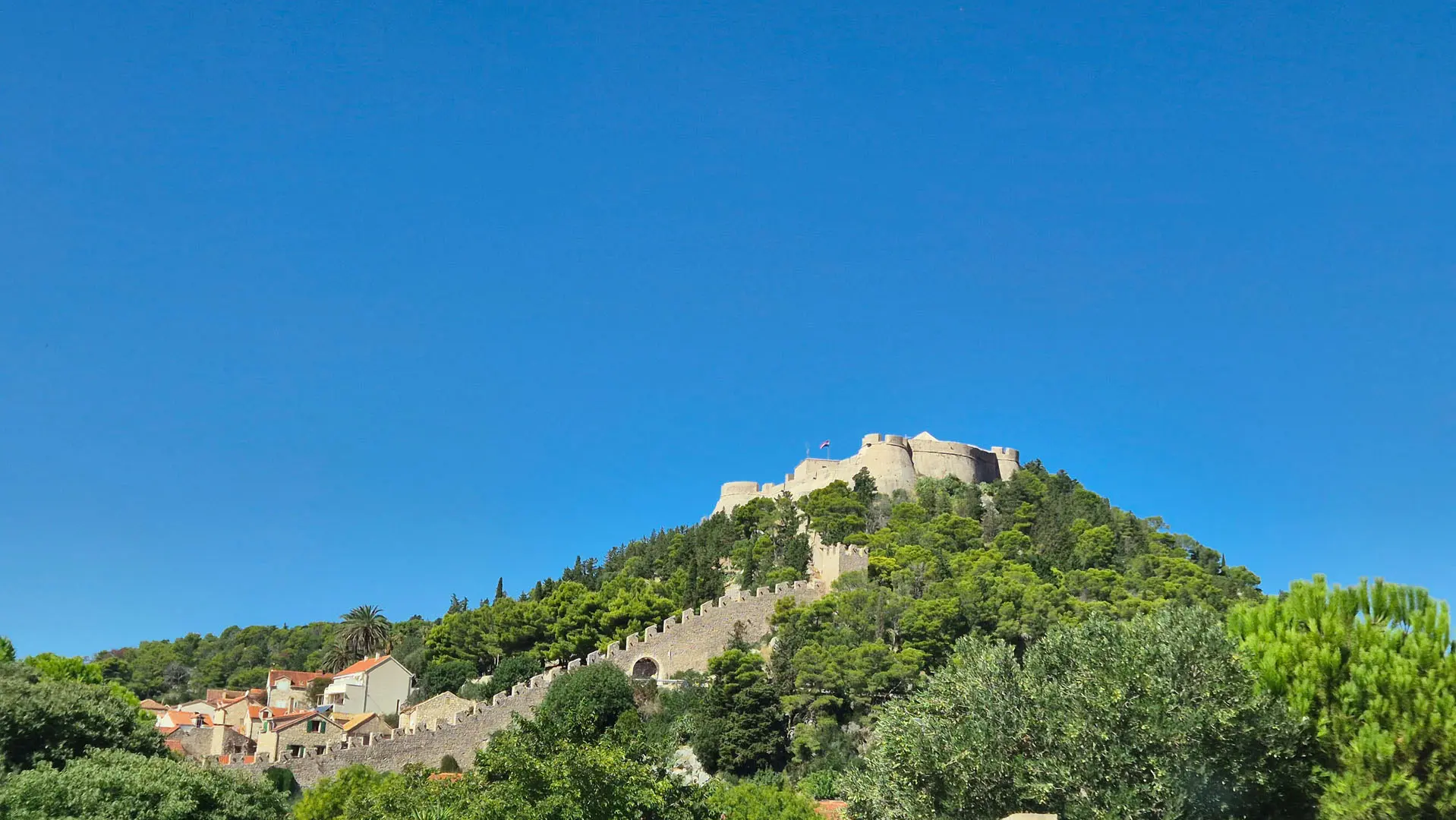
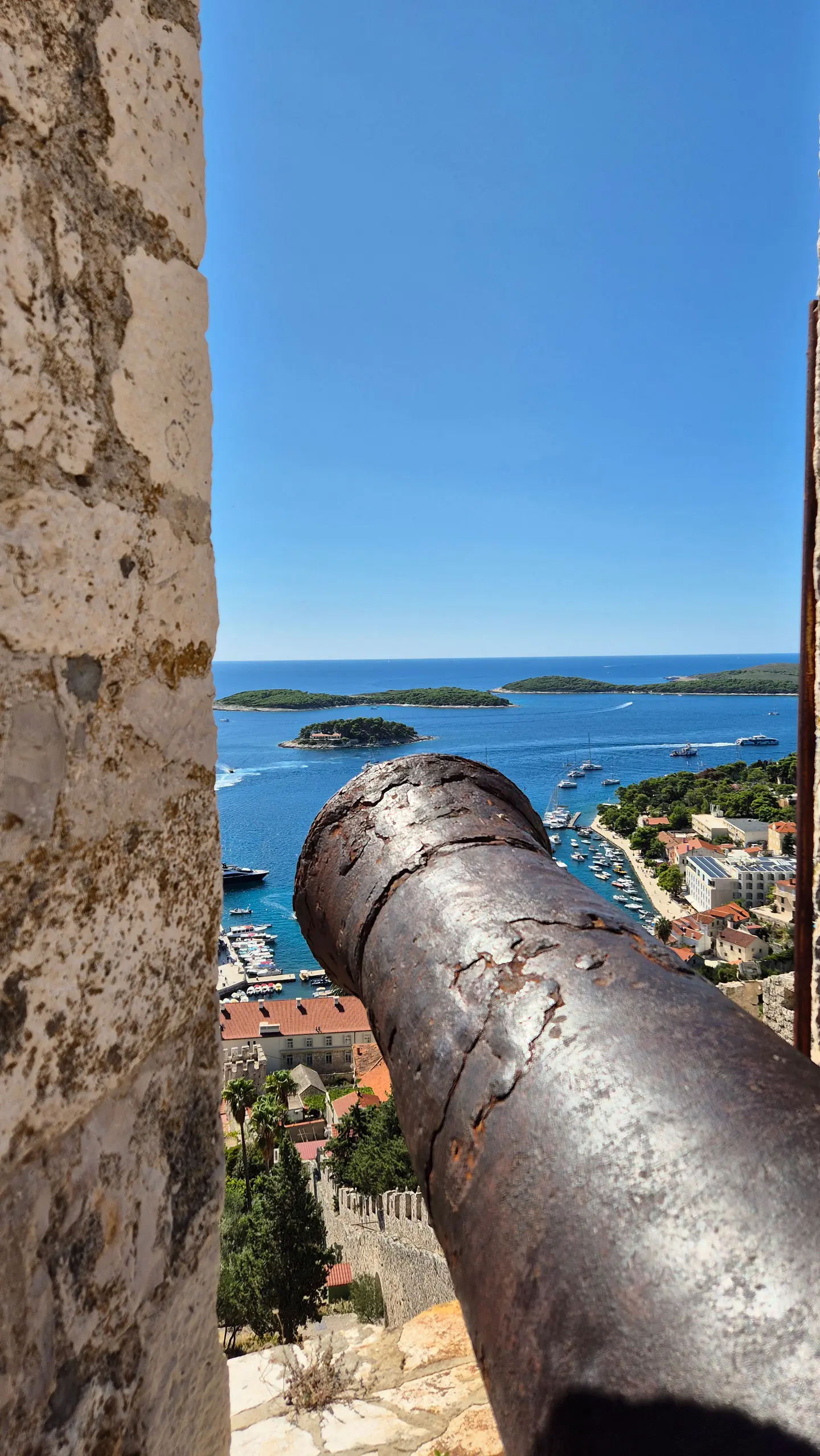
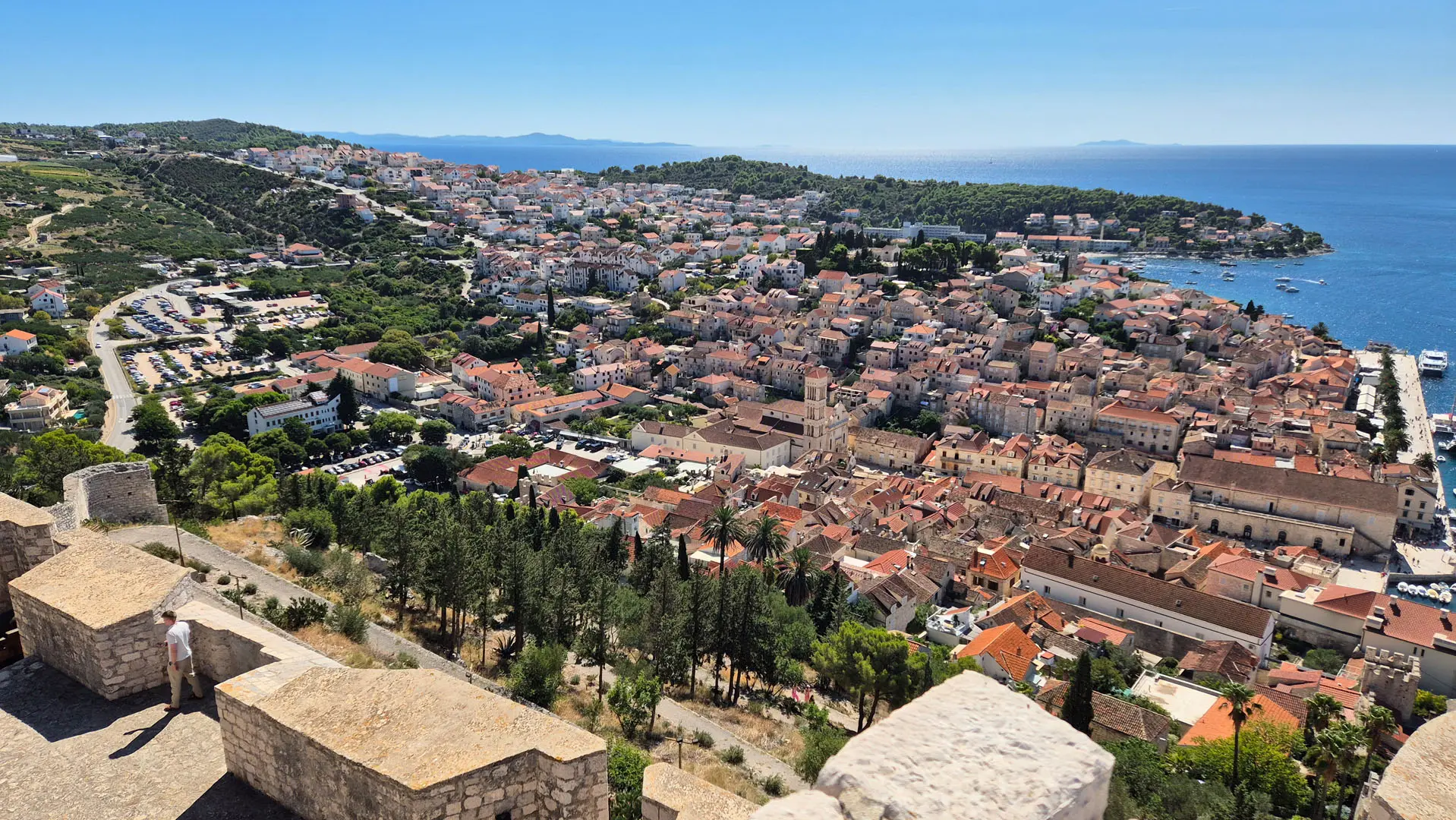
We will begin our series of articles about Hvar with Fortica, the fortress on the hill above the town of Hvar, from which one of the most recognisable views in Croatia opens up.
When you see posters, brochures or literature on the theme of the Adriatic, there is a strong chance that the shortlist of photographs will include the view from Fortica.
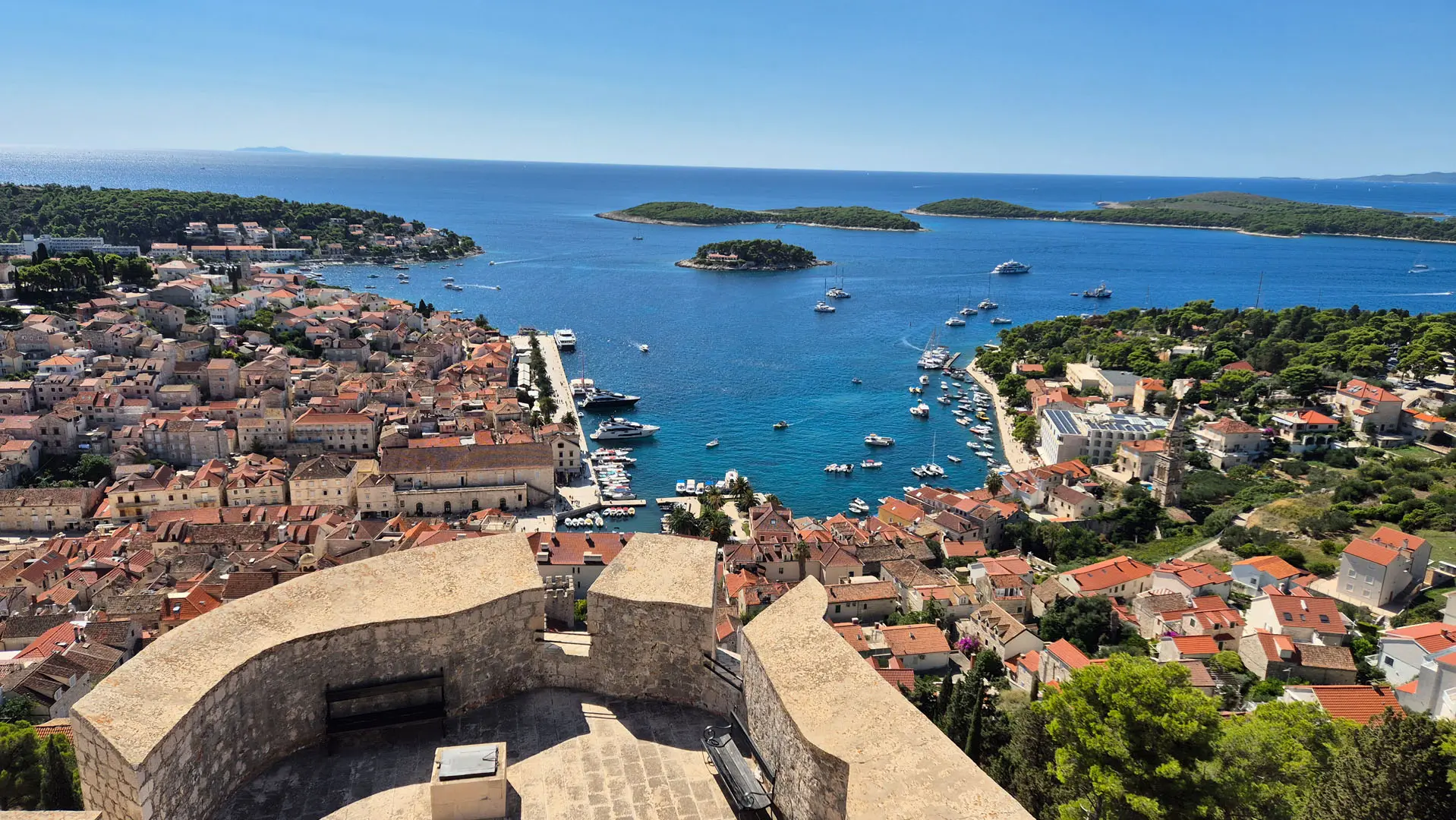
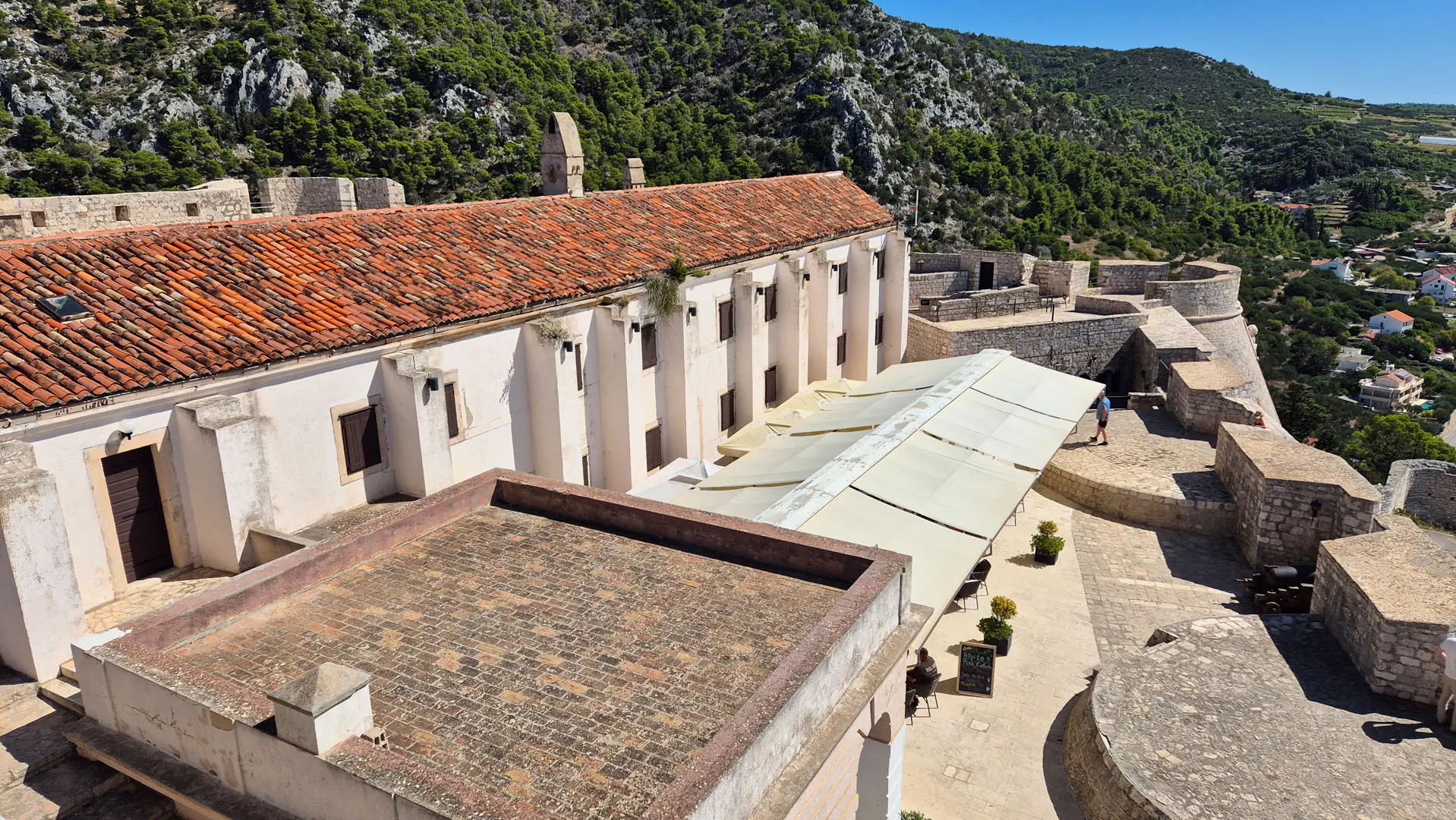
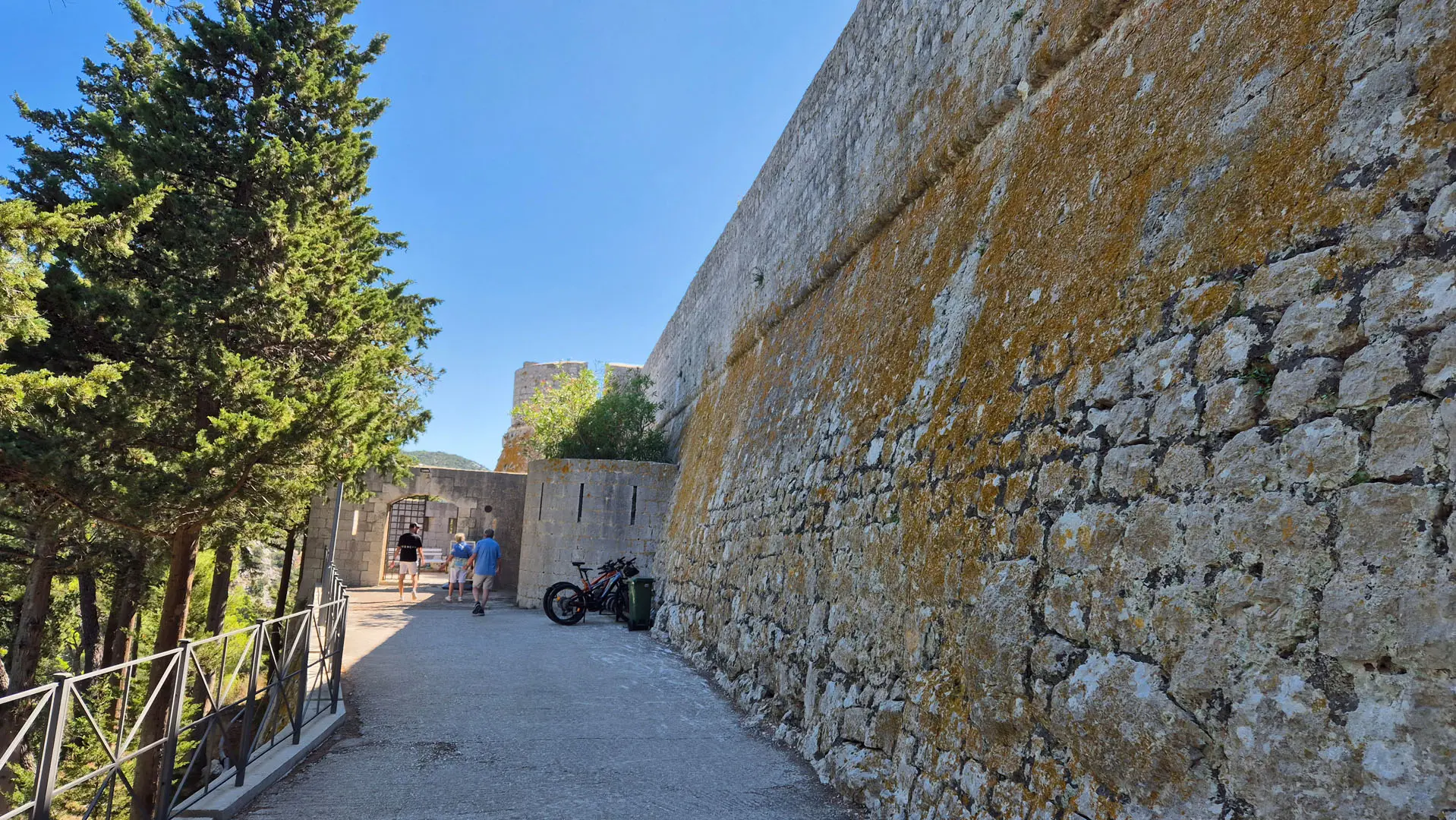
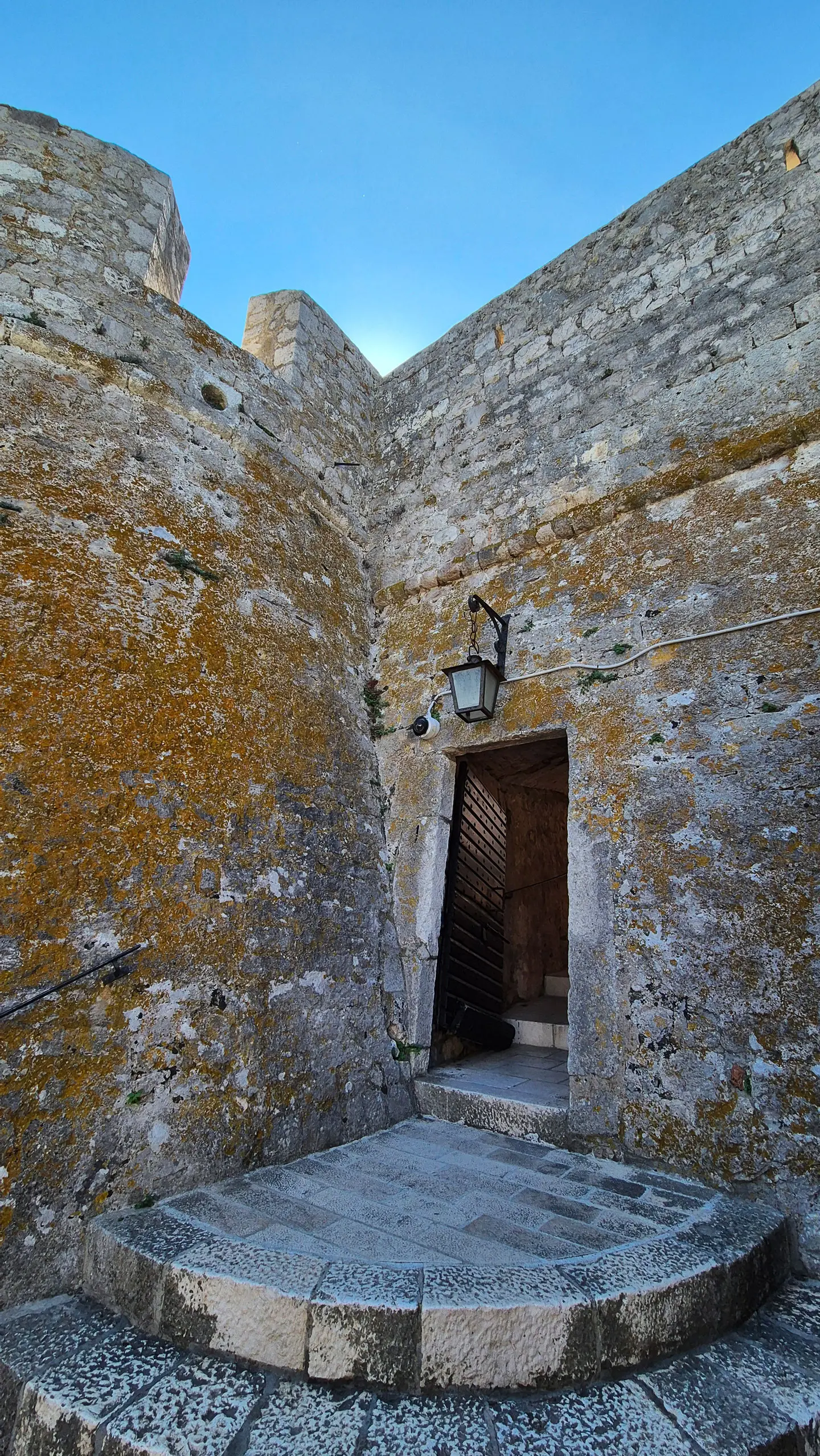
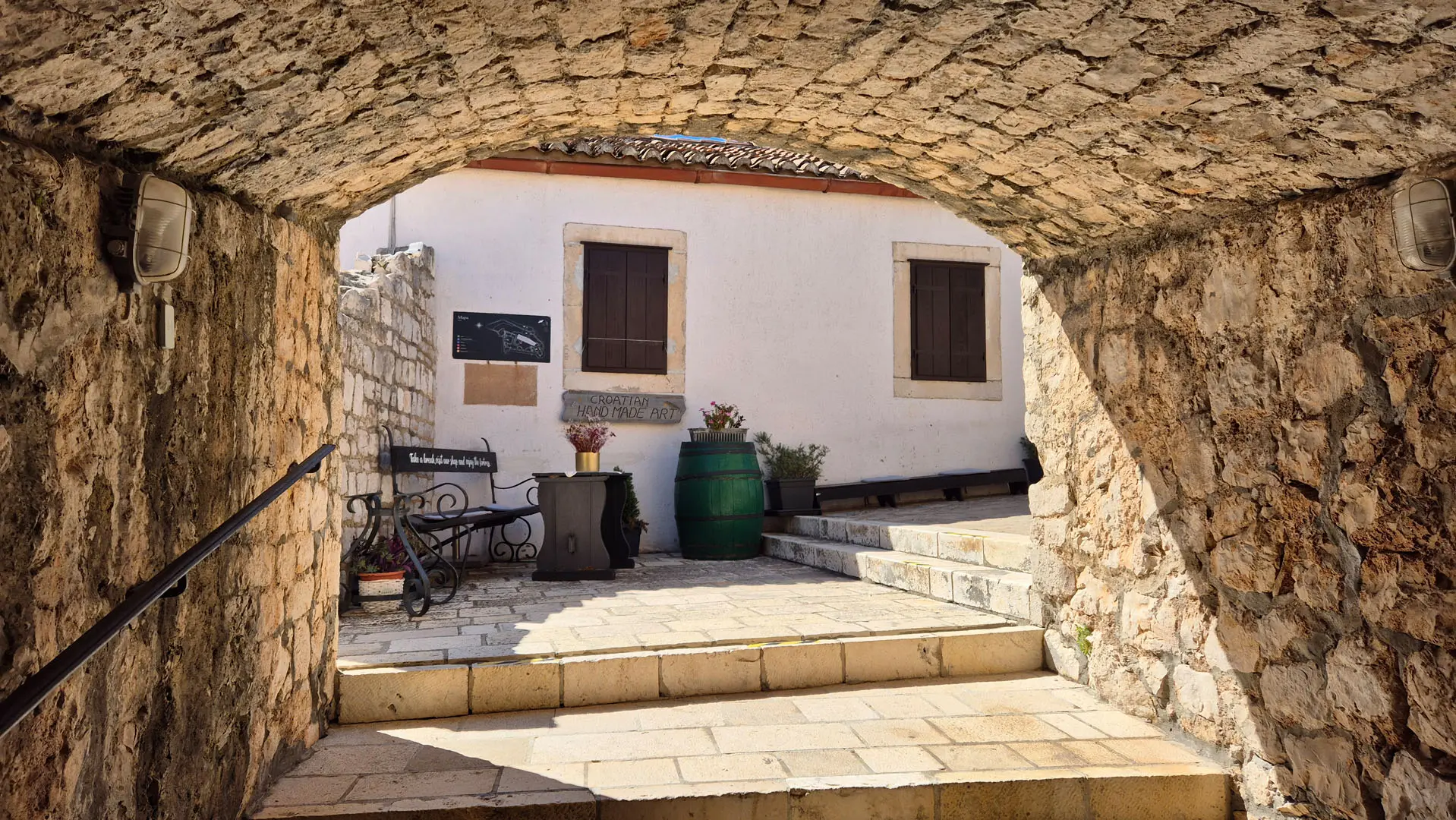
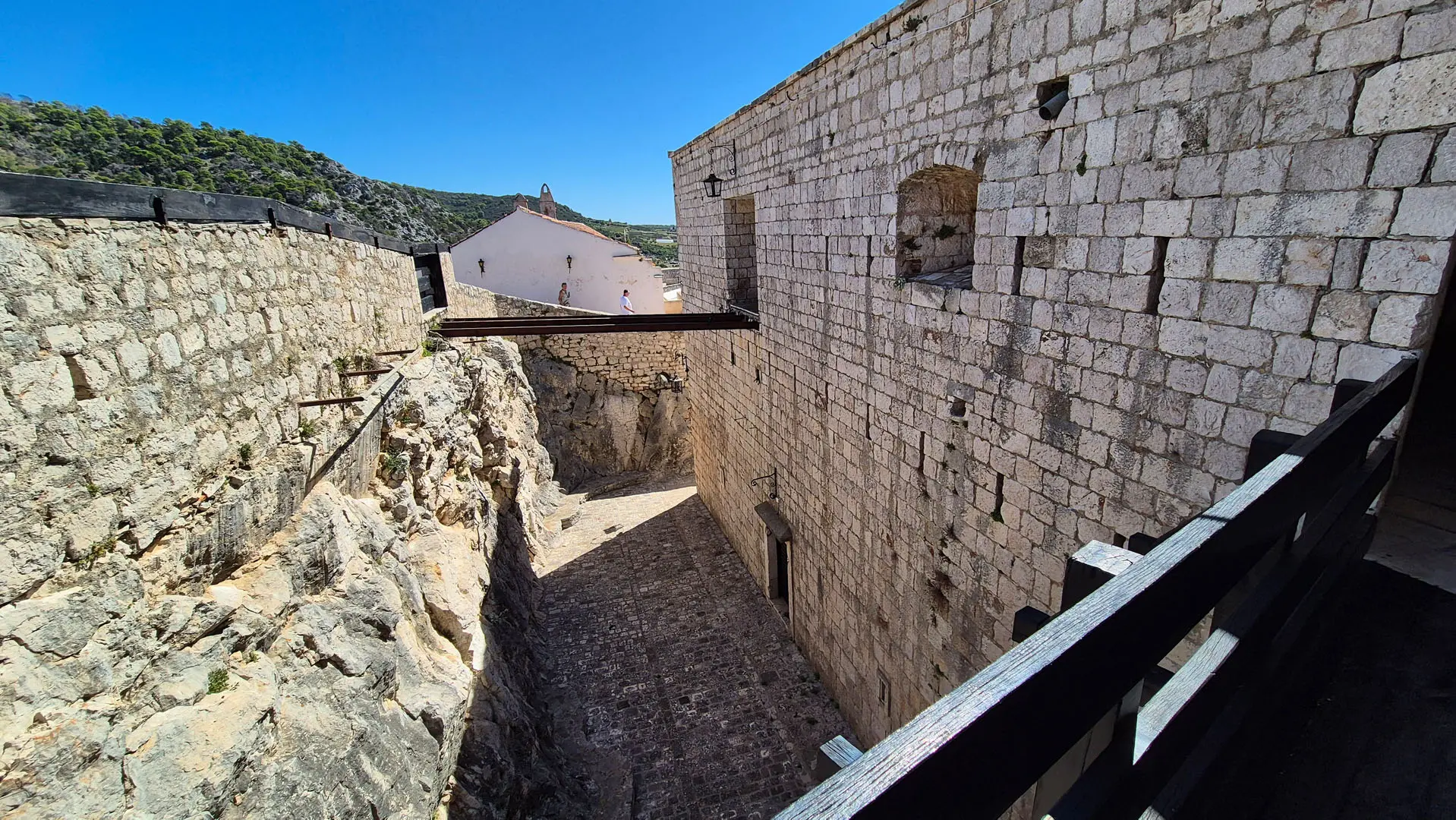
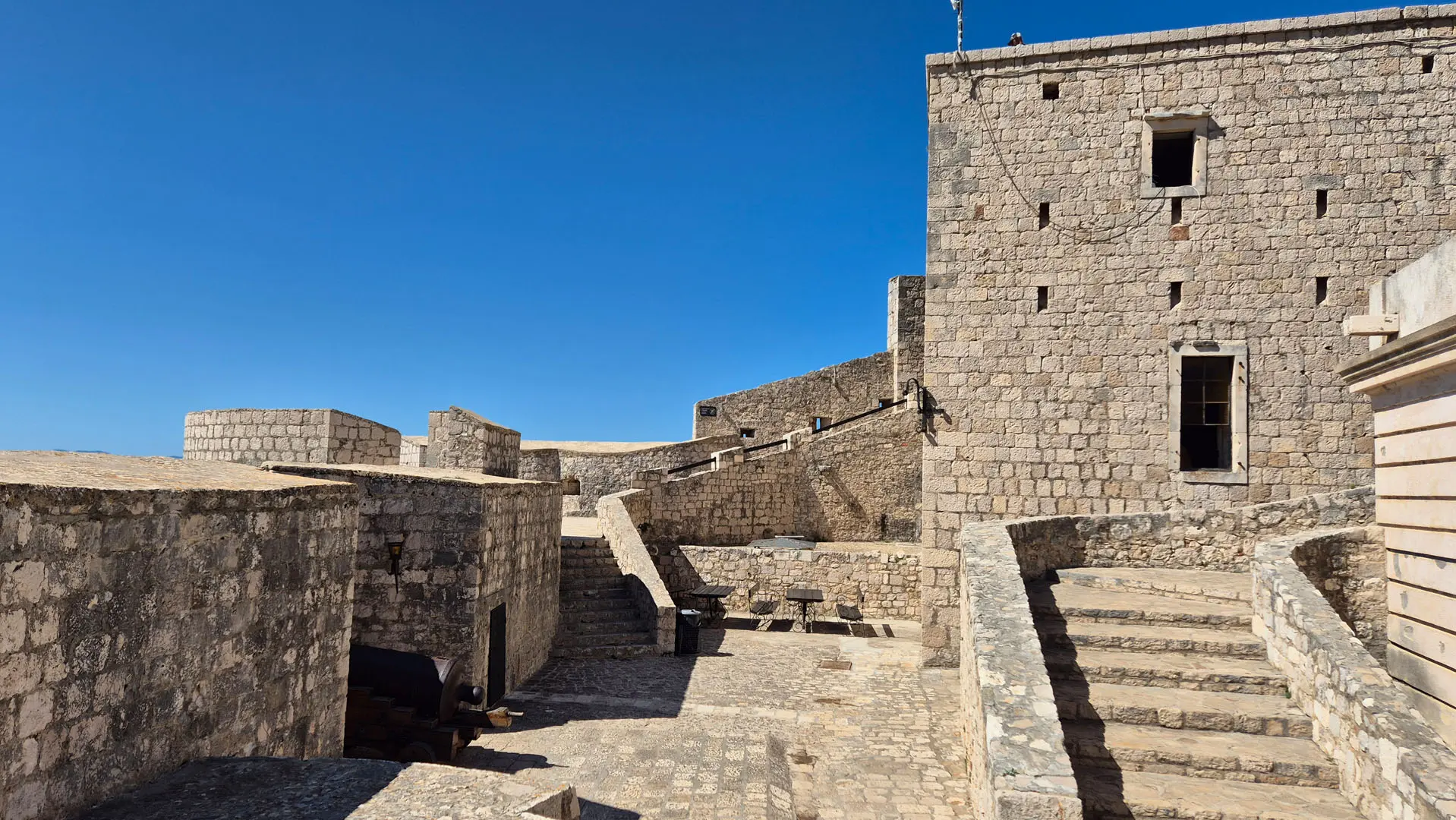
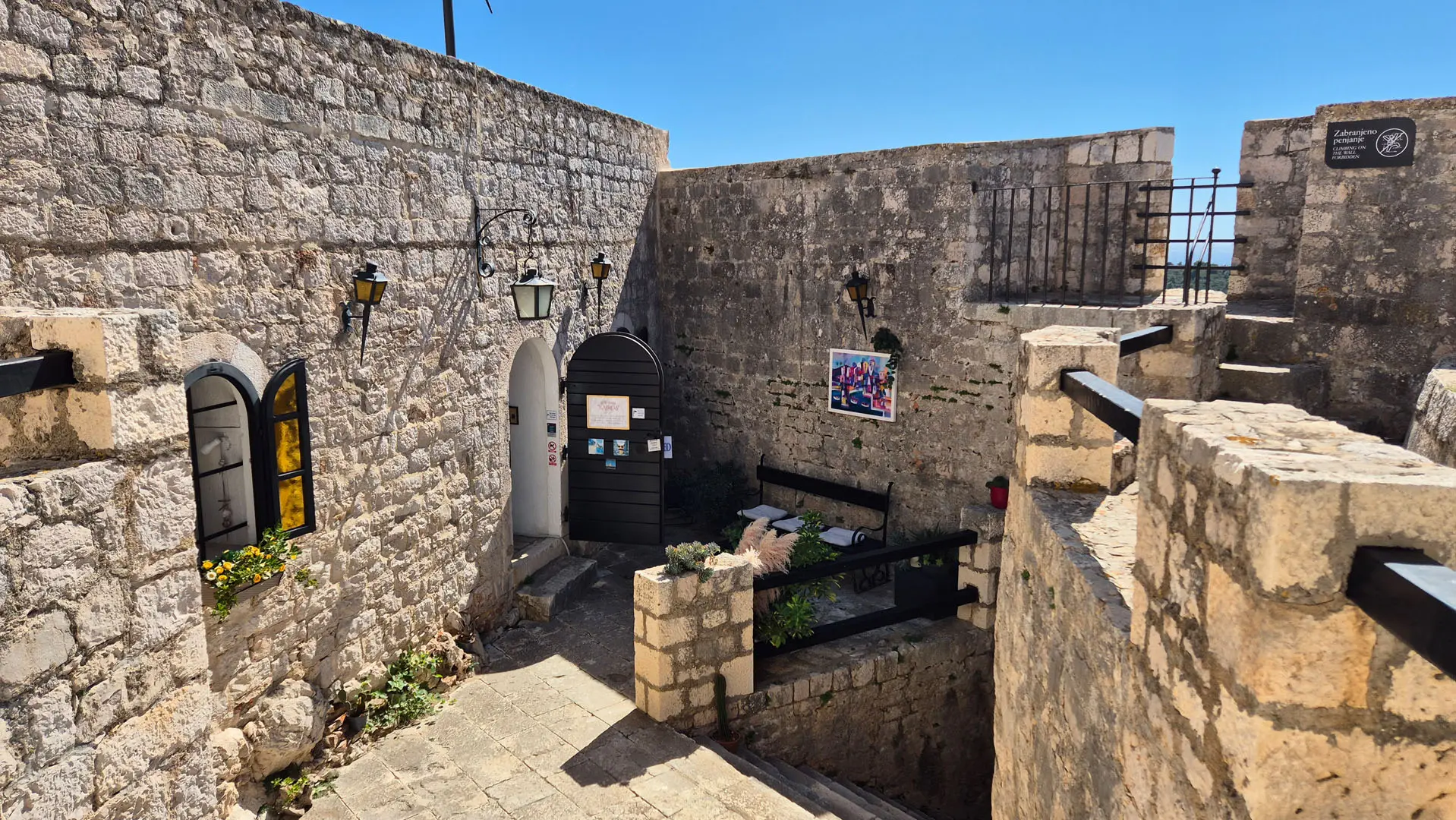
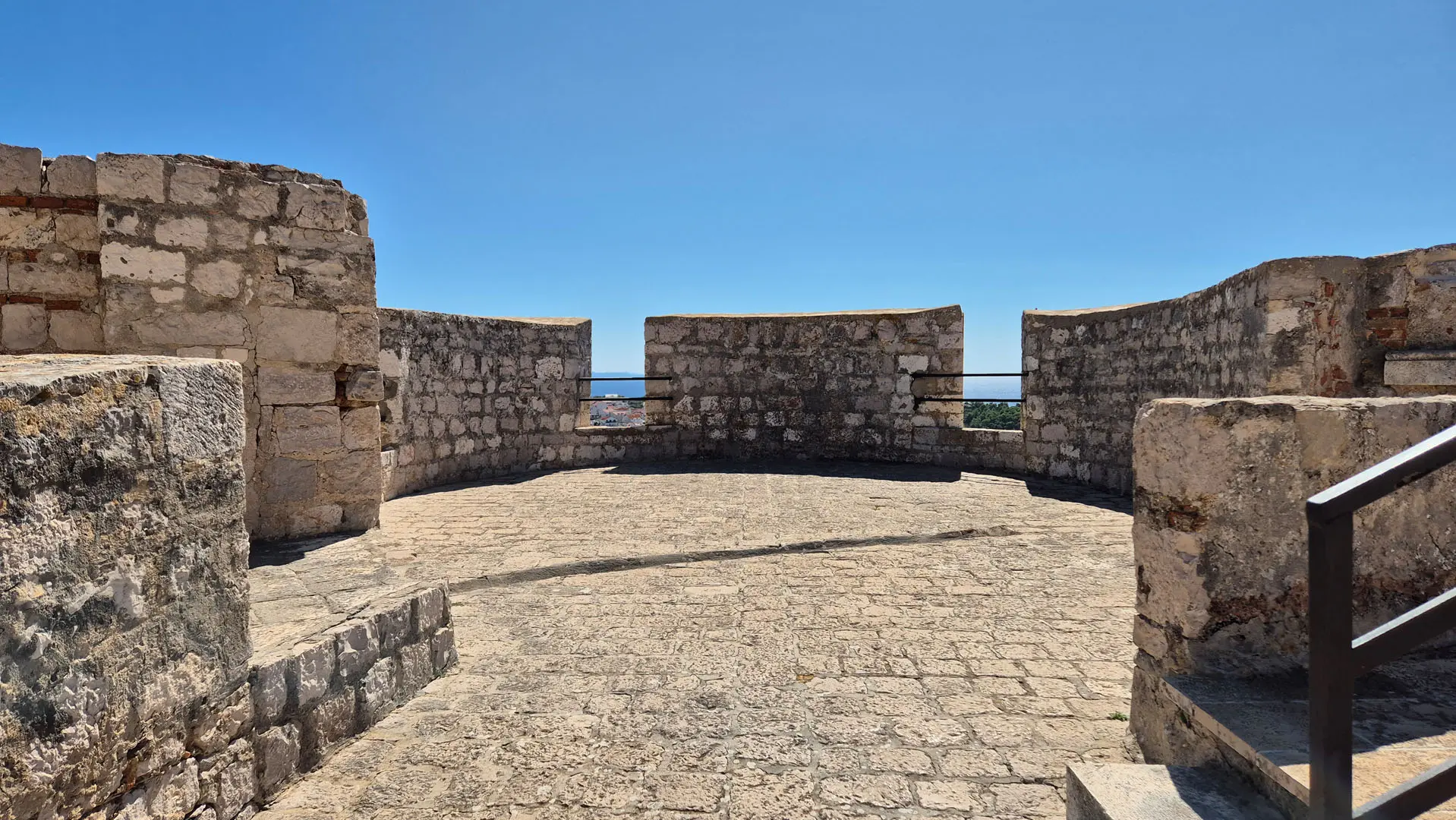
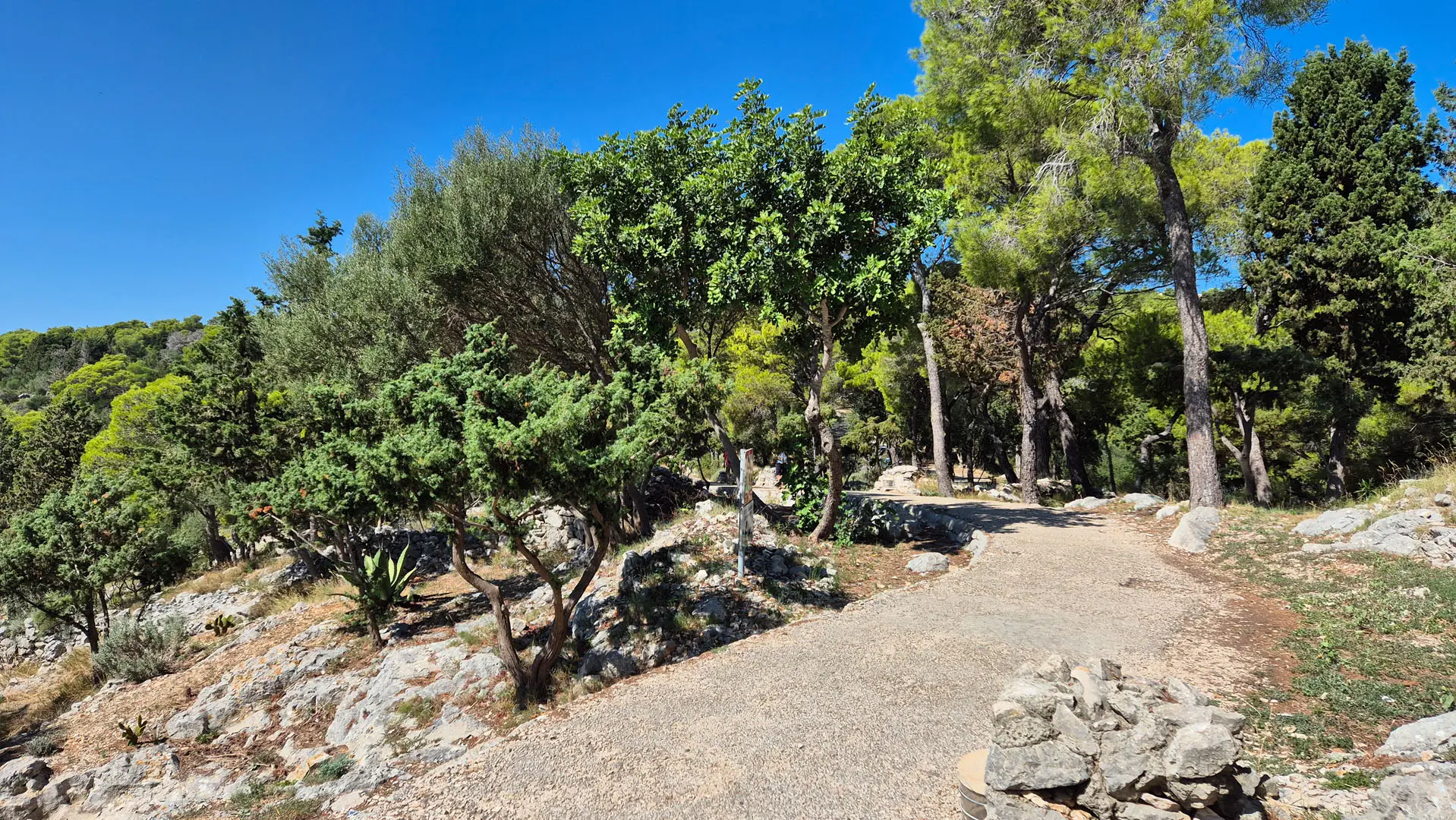
The Fortica fortress, or Španjola as some call it, stands in a dominant position above the town. You can reach it by car from the north side, or on foot from the town, along a beautiful trail that winds through a pine forest.

Plenty of people come to Hvar in the middle of summer, and it is a legitimate question: is it worth walking up to the fortress on foot in the greatest heat? The shortest answer is – yes.
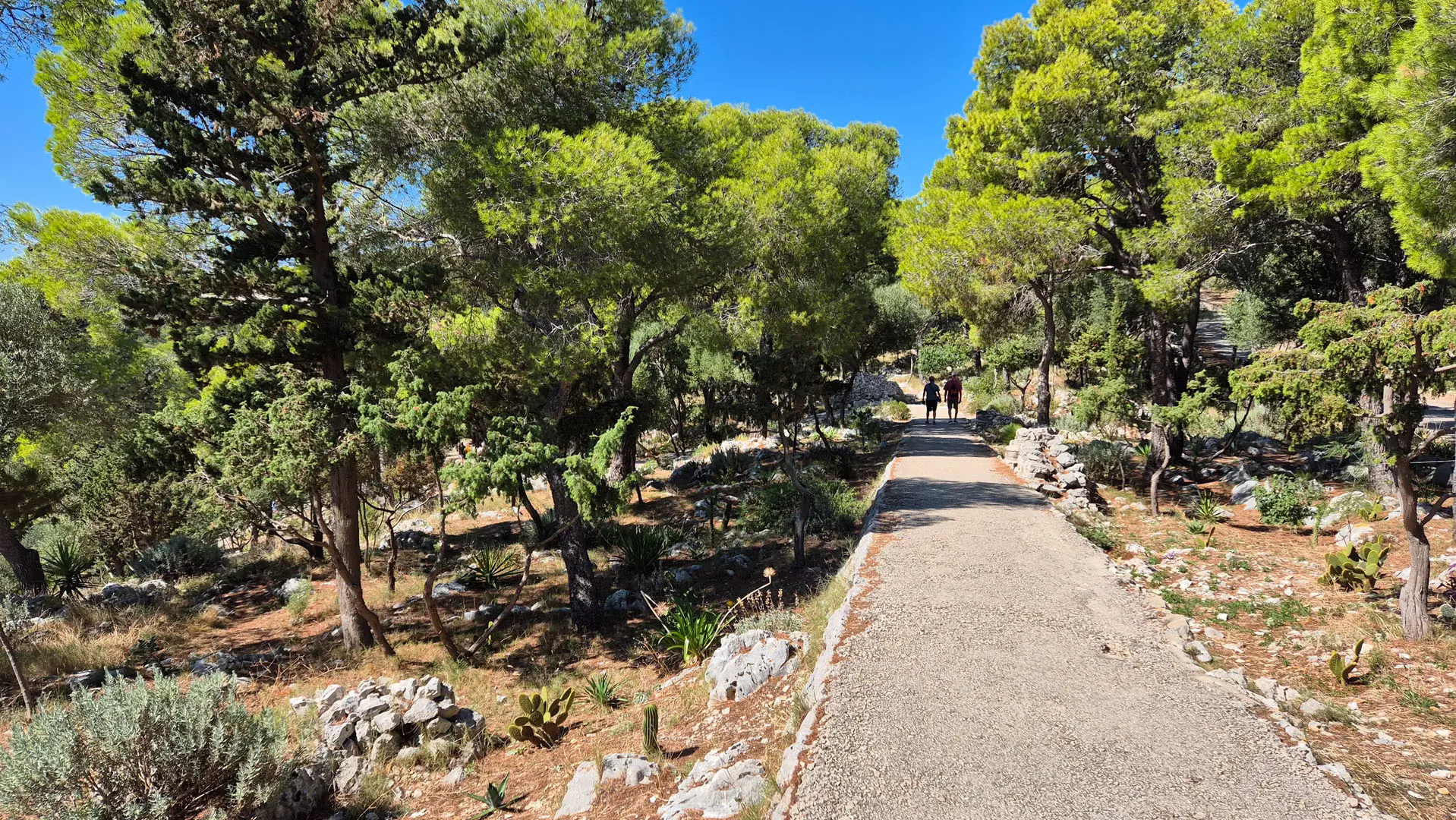
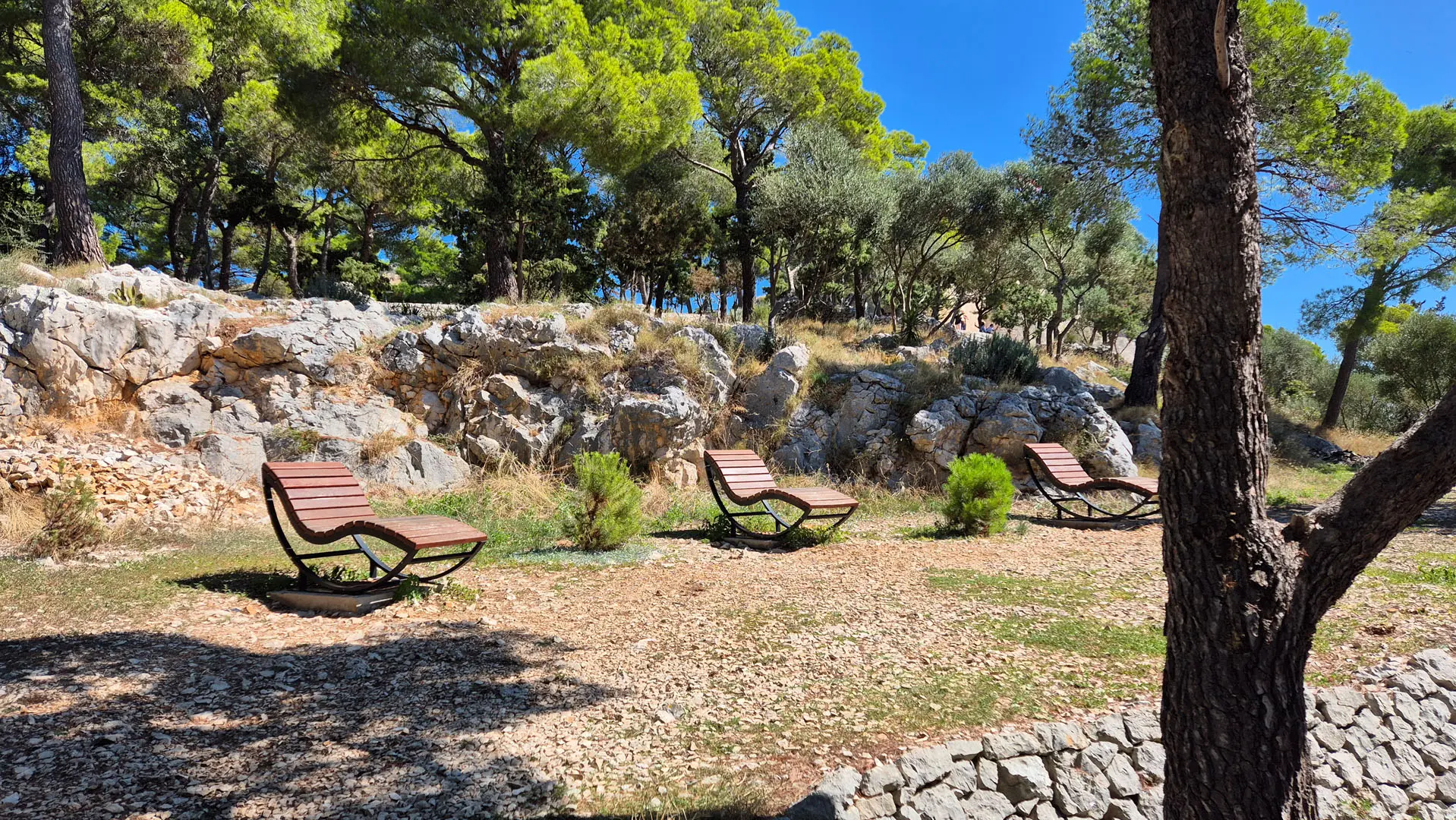
We have been to the fortress on several occasions over the last 30 years, in all seasons and at all times of day. The night view of Hvar and its harbour is surreal, but if you have only one chance to visit Fortica, choose a sunny day and the trail through the pines. The shade of the trees will protect you from direct sun, and at a gentle pace you will not even feel the climb. Every so often you will stop, not to catch your breath, but to take in the beautiful sight of the town, the sea and the Paklenjaci (Pakleni Islands), which form a natural shield for Hvar’s harbour.
And if you are also lucky enough for the Maestral to start blowing, the climb up to the fortress is half the experience in itself!
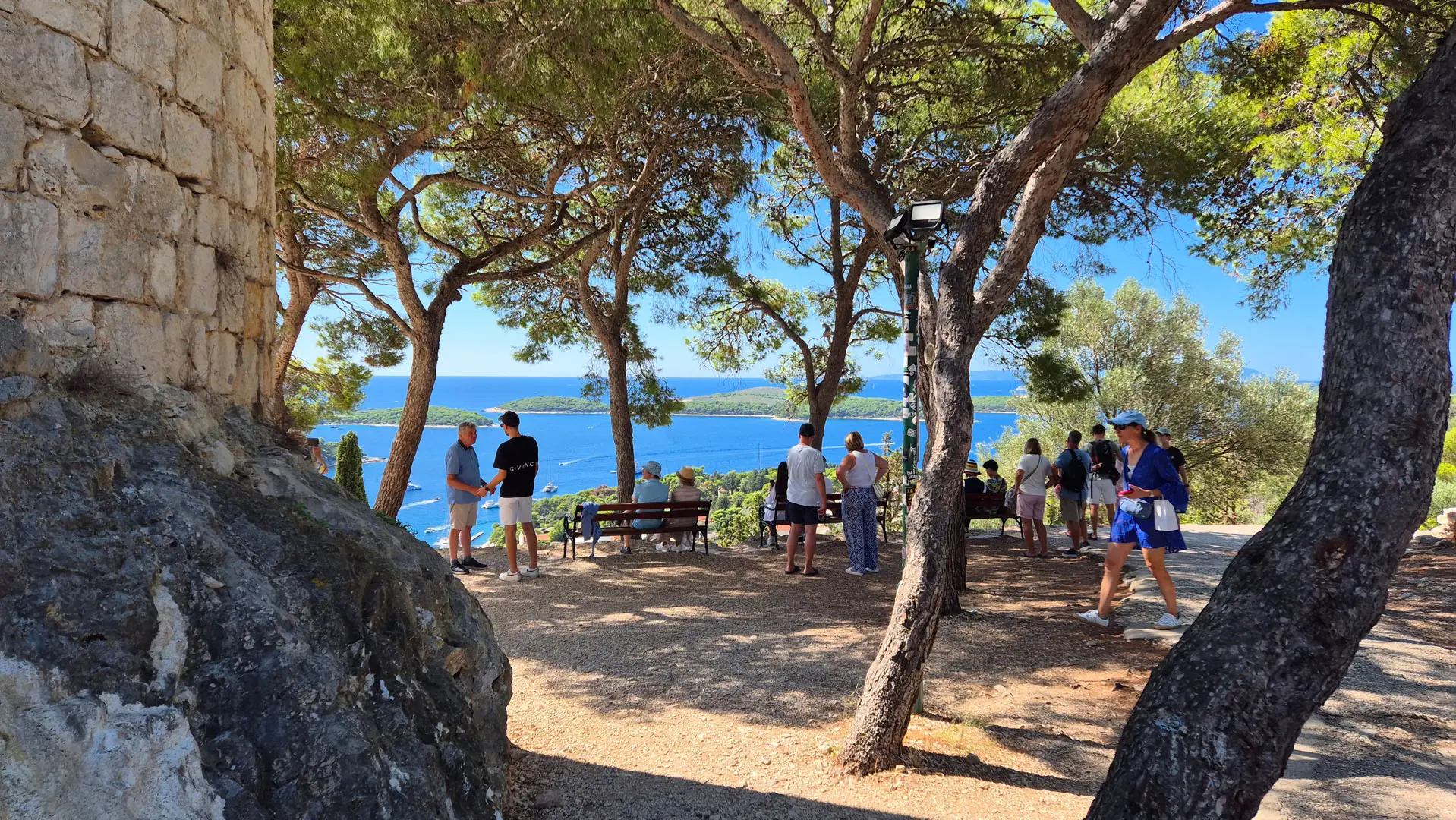
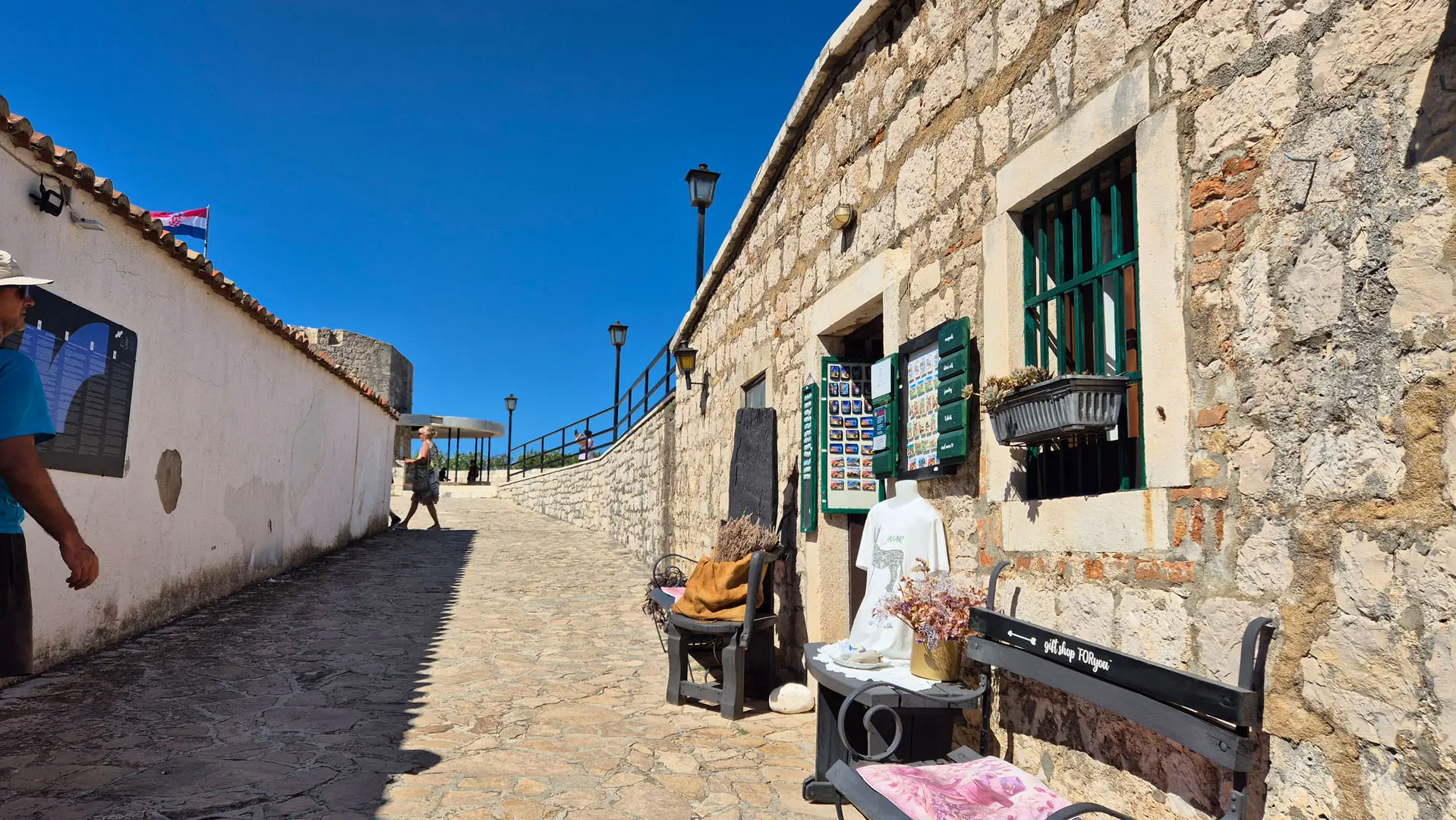
When they finally reach the fortress, many tourists face a dilemma: whether to pay the entrance fee to the fortress or simply enjoy the view at its foot? We think the price of the ticket is fair, and the view from the top is, after all, the view from the top. Besides, it is interesting to walk through a piece of history, and you are not here every day.
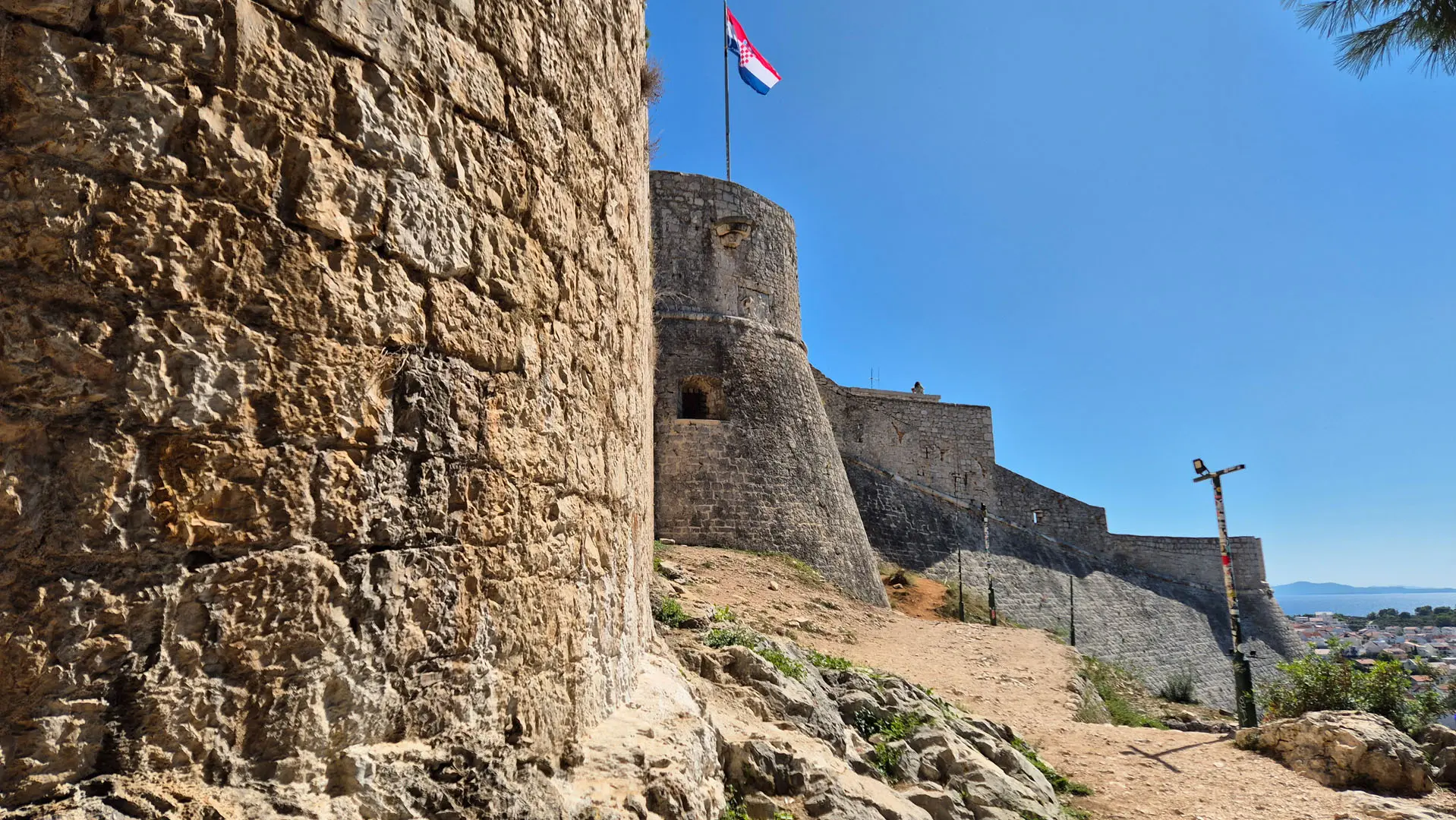
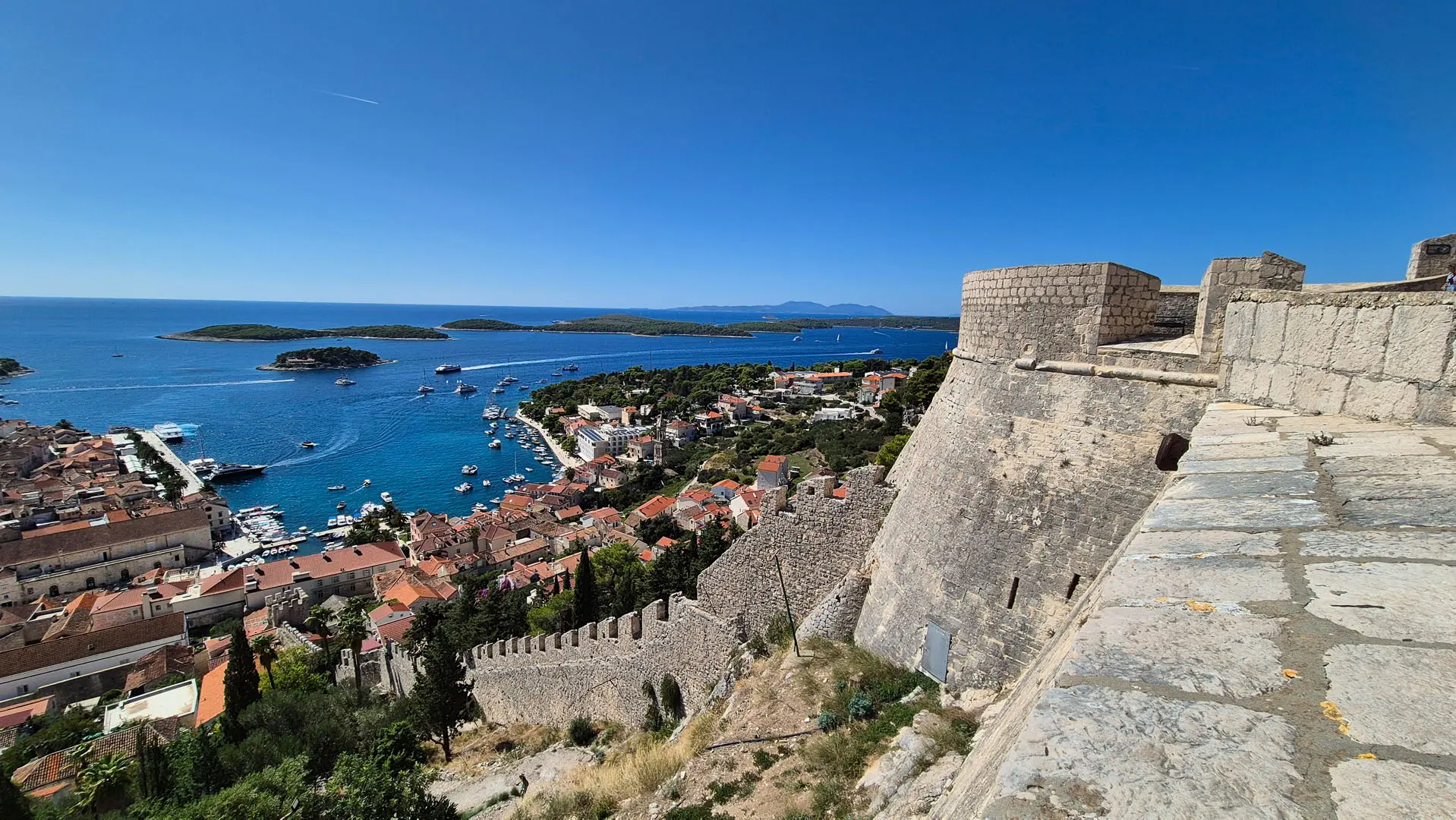

The construction of Fortica begins with the fall of Hvar under Venetian rule in 1278. Venice in fact issued the order for the construction, but the building itself was financed by Hvar from the sale of salt. Whenever the salt trade stalled, the construction of the fortress stalled too. That is why the construction process lasted almost 250 years. Looking at it on a historical scale, we would say – just in time. Namely, exactly 20 years later, in 1571, Hvar, as well as many of our other islands and towns, suffered an attack and devastation by the Ottomans. Fortica saved most of the population at that time.
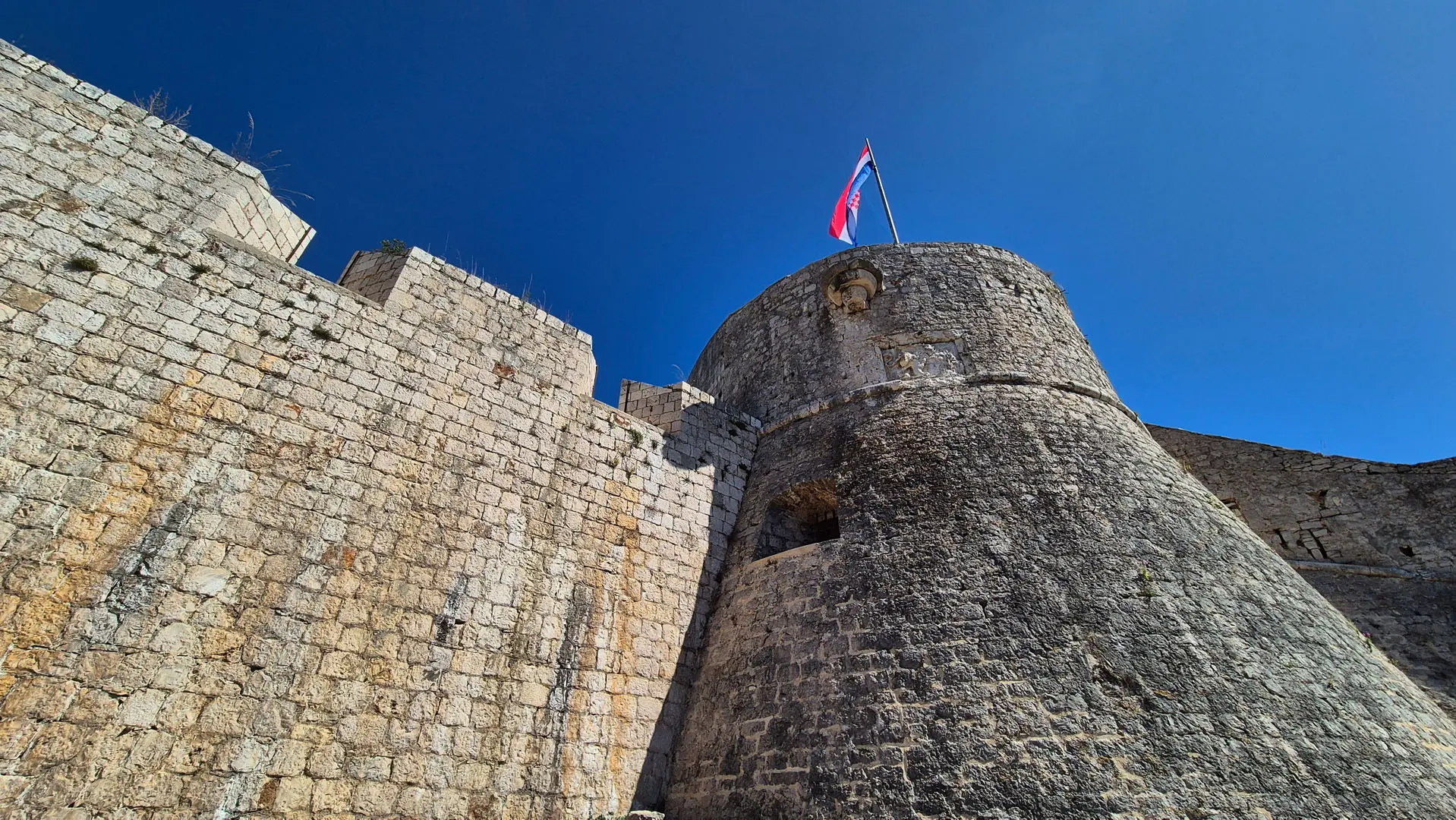
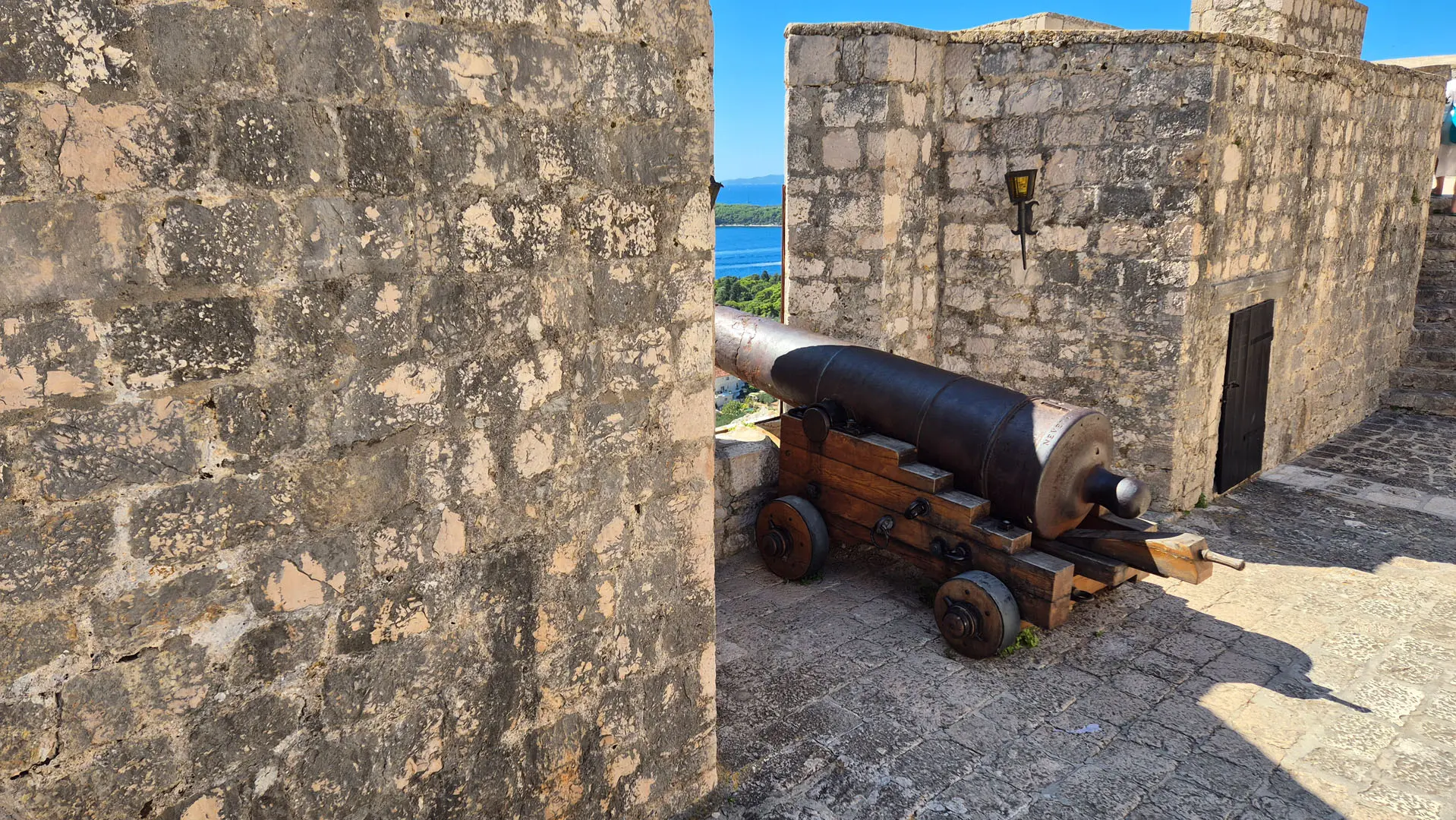
In parallel with the construction of the fortress, defensive walls were also built, which still descend today towards “Grod”. Together with the fortress, they formed a single fortification system. However, although they were completed before the Ottoman attack, they did not serve their purpose, because they were already conceptually obsolete in the age of gunpowder, and since most of the men had been sent under Venetian command into the Battle of Lepanto, the walls were left without a garrison.
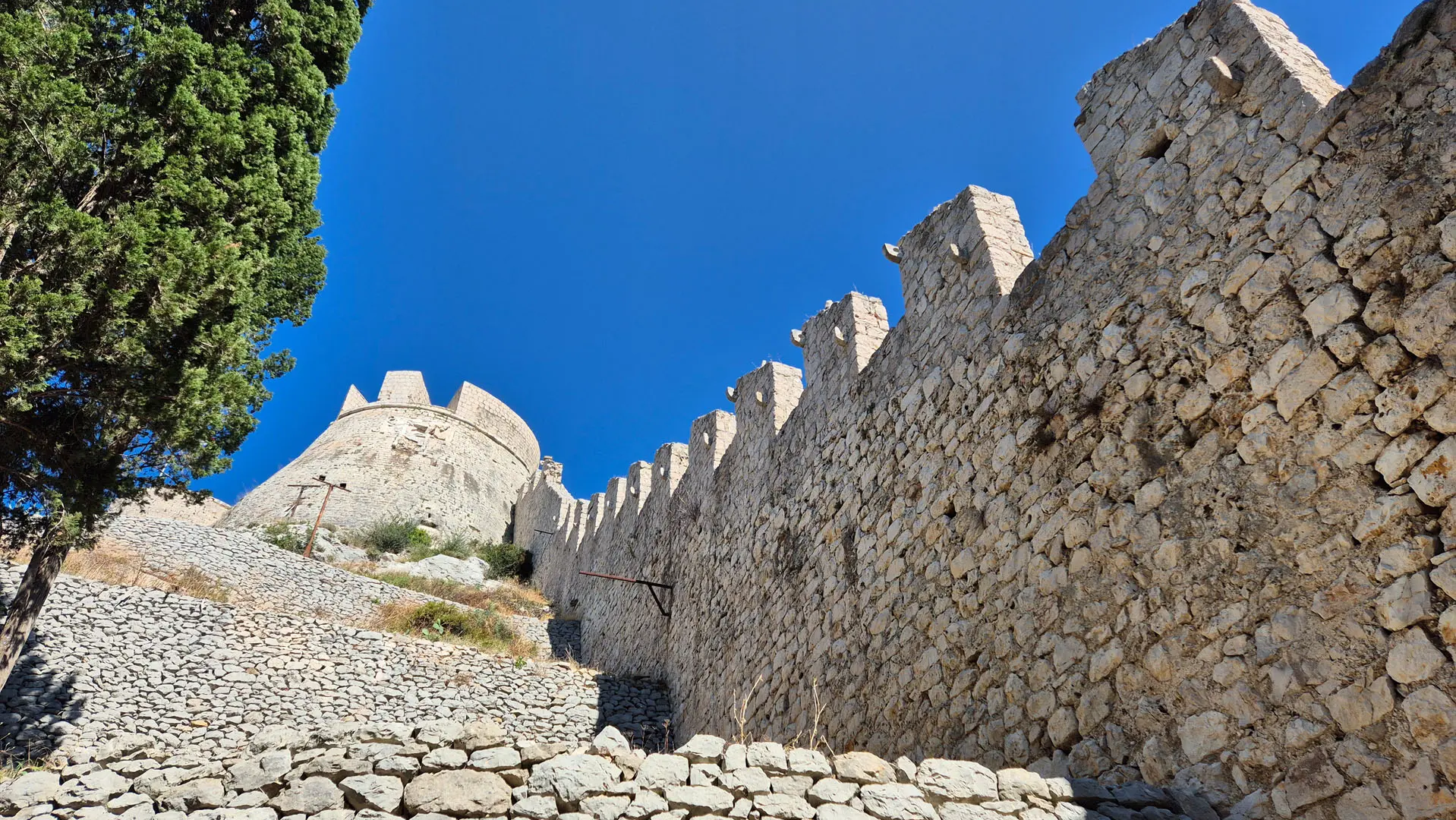
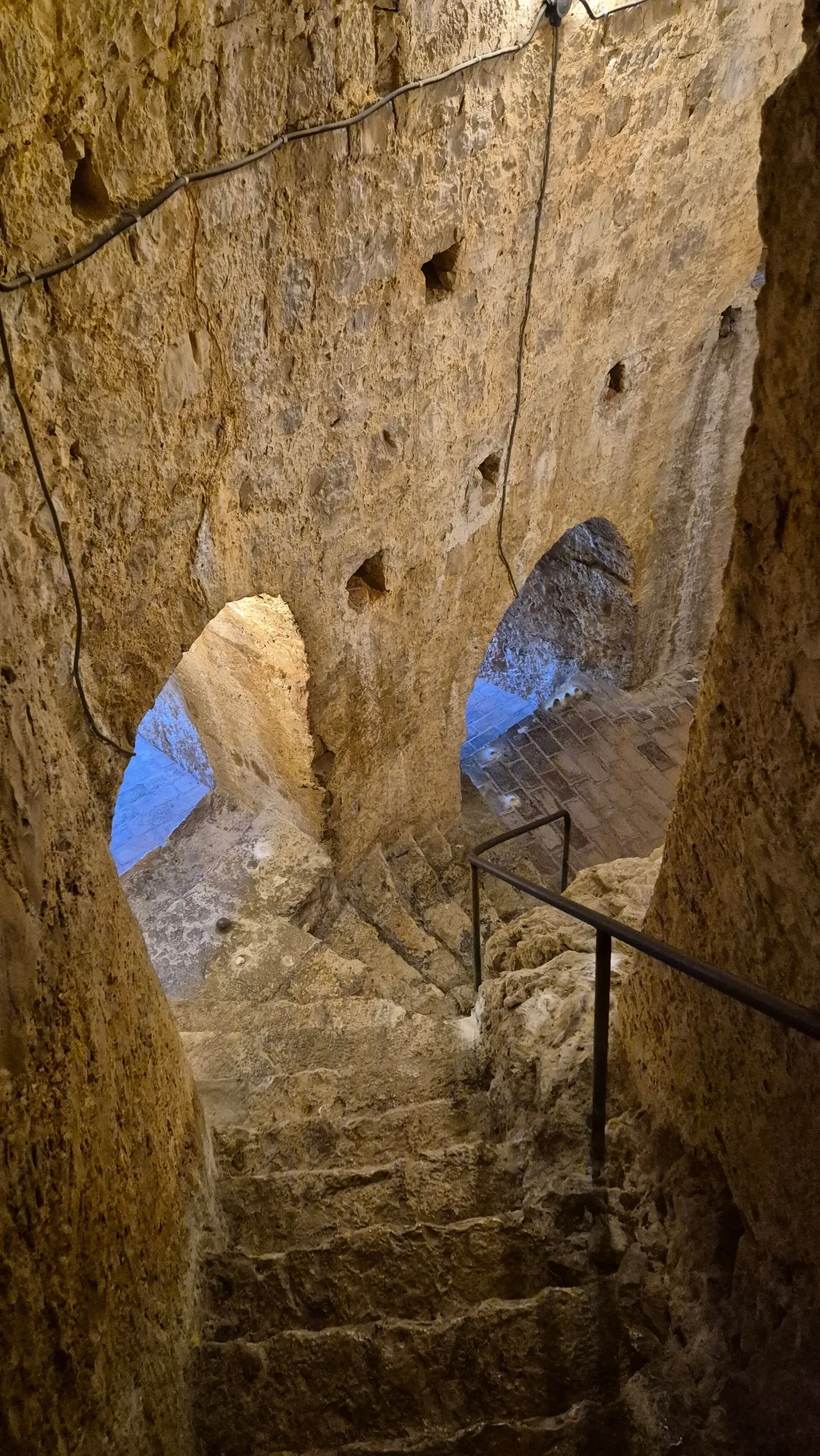
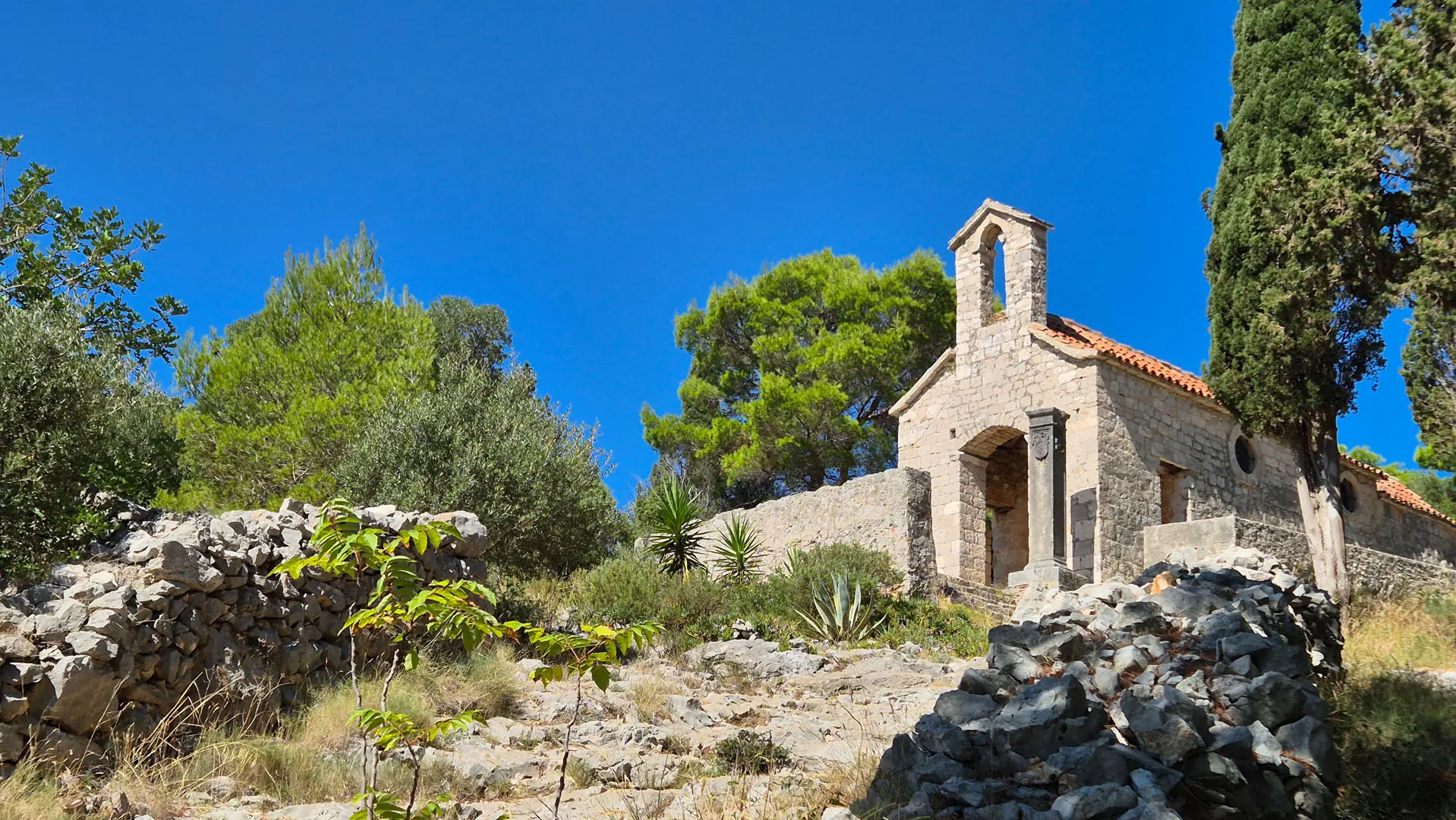
Not long after the Ottoman attack, in 1579, a large part of the fortress was destroyed in a powerful explosion of the gunpowder magazine, caused by a lightning strike. Fortica recovered from this only with difficulty. In fact, it stood in ruins for several decades, until it was restored at the beginning of the 17th century by the Hvar count Petar Semitecolo. Most of the fortress’s present-day appearance dates from that time. The fortress was later extended during Austrian rule in the 18th and 19th centuries as well.
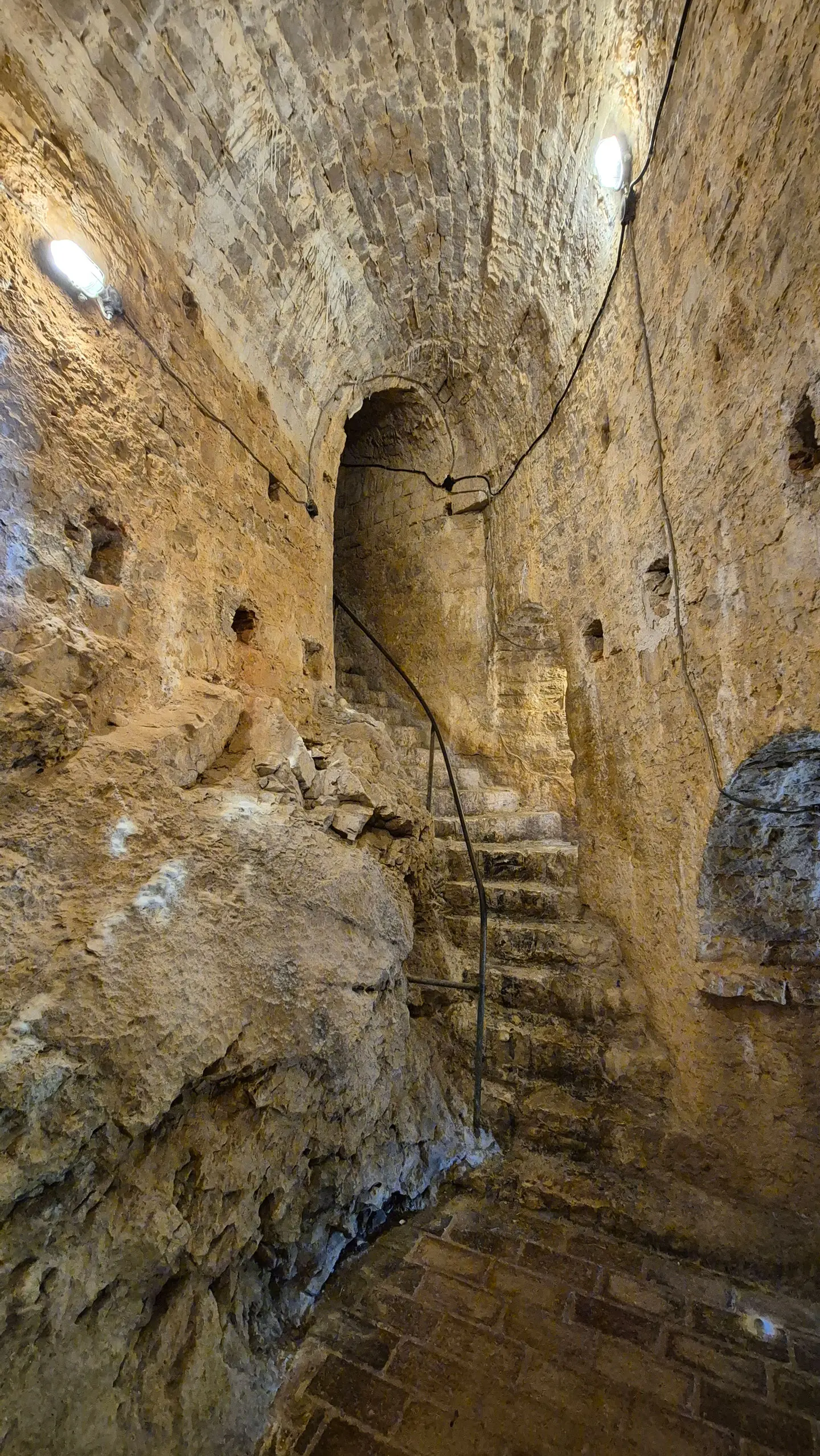
Fortica had two water tanks (cisterns) for collecting rainwater. Interestingly, in times of peace they also supplied water to part of the town of Hvar. This continued right up until the mid-1960s, when Hvar was connected to the water supply from the mainland.
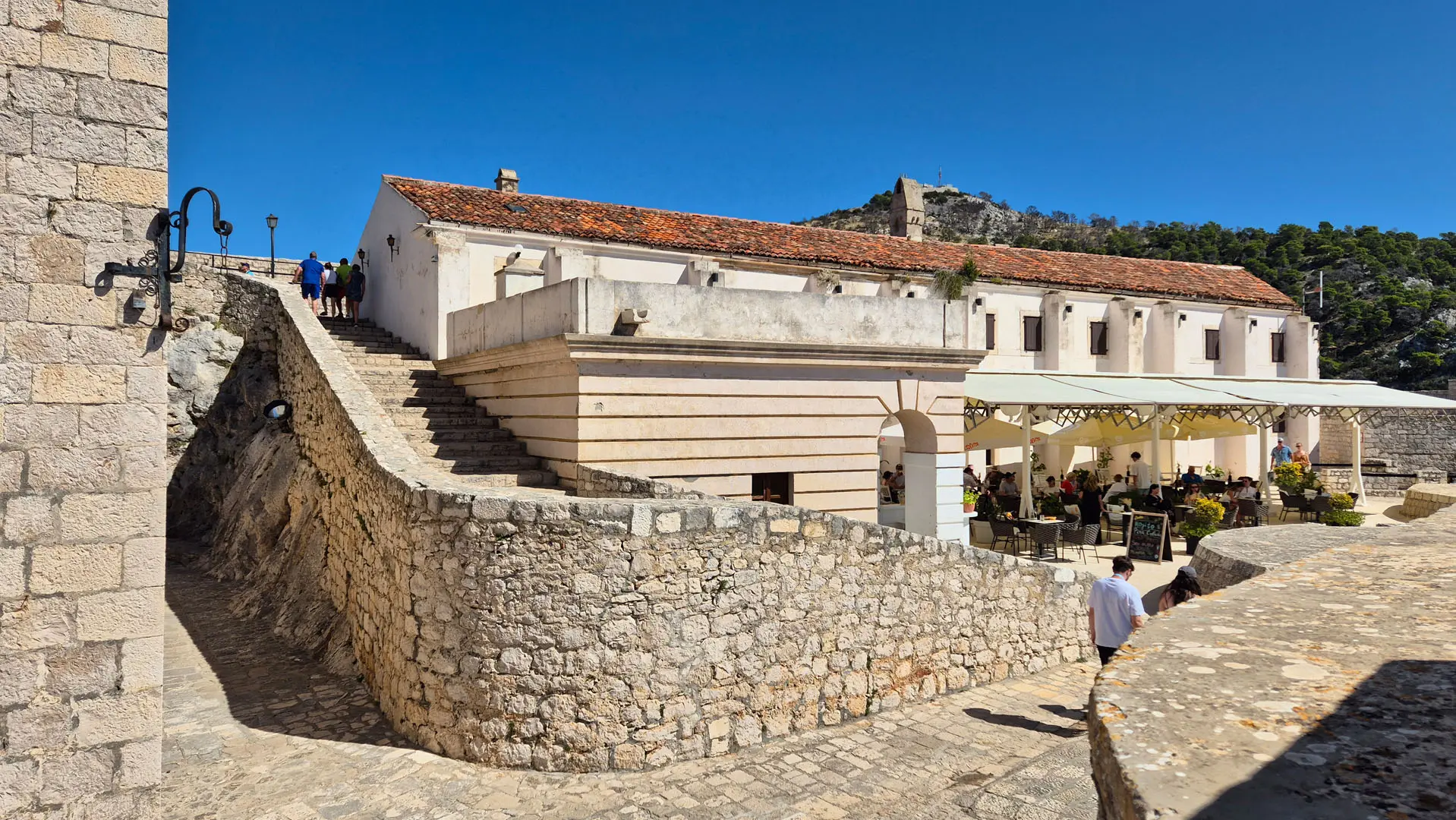
It is interesting that during the 1970s and 1980s an exclusive restaurant and a nightclub operated in Fortica. Today it is an indispensable part of the tourist offer and a magnet for people from all over the world.
Španjola?
There is a myth that Fortica got this name after Spanish engineers. Historical documents reveal a more precise military context – in the 14th and 15th centuries Venice kept mercenary units on Hvar, among whom were Spanish soldiers and military experts, stationed at exactly this spot in order to keep watch over a waterway of strategic importance.
The Ottoman siege – the campaign of Uluč-Ali
In 1571 Pope Pius V encouraged the creation of the Holy League, a Christian coalition in which the Spaniards, Venetians and Genoese took part, along with numerous other kingdoms and principalities. Among all of them there were also numerous men from Croatia, with galleys from Krk, Cres, Rab, Šibenik, Trogir, Hvar, Korčula and numerous other towns and islands. The goal was to inflict a final defeat on the Ottoman navy (the Battle of Lepanto) and to crush its dominance in the eastern Mediterranean.
While our men were at the preparations in Messina, the Algerian bey Uluč-Ali, supported by the Ottomans from the Balkans, set off on a campaign along our coast. Incidentally, Uluč-Ali was an Italian, a renegade from Calabria who converted to Islam and became an Ottoman admiral. Along the way they captured Ulcinj, Bar and Budva, and on the way towards the southern Croatian islands they came across a Venetian galley, which they pursued all the way to the harbour of Dubrovnik. From Dubrovnik they demanded that it hand over the Venetians, but the people of Dubrovnik refused. Although Uluč-Ali’s fleet beneath the walls of Dubrovnik numbered 73 ships, he did not dare to attack, but withdrew instead. There were two reasons for this. The first is that Dubrovnik was a trading partner of the sultan, and the bey (viceroy) could not risk relations with the sultan; the second reason is that the walls of Dubrovnik were impregnable. The entire Croatian Littoral and Dalmatia were in Messina, but the Republic of Dubrovnik was neutral and full of troops. The Lovrijenac fortress, which guards the western approach to the city and the old harbour of Kolorina, was equipped with the best cannons of the era, cast by the renowned local master Ivan Krstitelj Rabljanin. Its walls facing the sea are an incredible 12 metres thick. No ship’s cannon from the 16th century, firing from an unstable sea surface, could break through such a wall. However, breaching the walls was not the fleet’s biggest problem. They could not even get close enough to be in a position to fire on Dubrovnik. The effective range of the largest cannons firing from Lovrijenac’s height of 60 m is so great that the enemy fleet would have had to sail 2 km under fire just to reach a position from which to fire for the first time.
Aware of the situation, Uluč-Ali, furious, moved on. The first thing in his path was Korčula. As soon as they spotted the fleet of 73 ships, the island’s Venetian governor (providur) Andrea Duodo and the Venetian military garrison cravenly boarded their ships and fled. Only women, children and the elderly remained. Instead of surrendering, the Hvar and Korčula commoners and nobles who had stayed in the town decided to fight. The defence was taken over by the local archdeacon Antun Rozanović. They armed everyone who could hold a weapon, even women, who dressed up in men’s military uniforms so that the walls would look more fully manned.
While the Ottomans were preparing their assault, a sudden strong summer Bura arose. It began to hurl and smash the Turkish galleys against the rocks of Pelješac. Uluč-Ali realised that he was risking the loss of his fleet in the narrow channel over a town that was putting up unexpectedly fierce resistance. He decided to break off the siege.
Uluč-Ali’s frustration spilled over further. He devastated and burned numerous undefended Korčula villages, especially Žrnovo and Blato. After that he attacked Pučišća and Milna on the island of Brač, as well as Vis, and then turned towards Hvar.
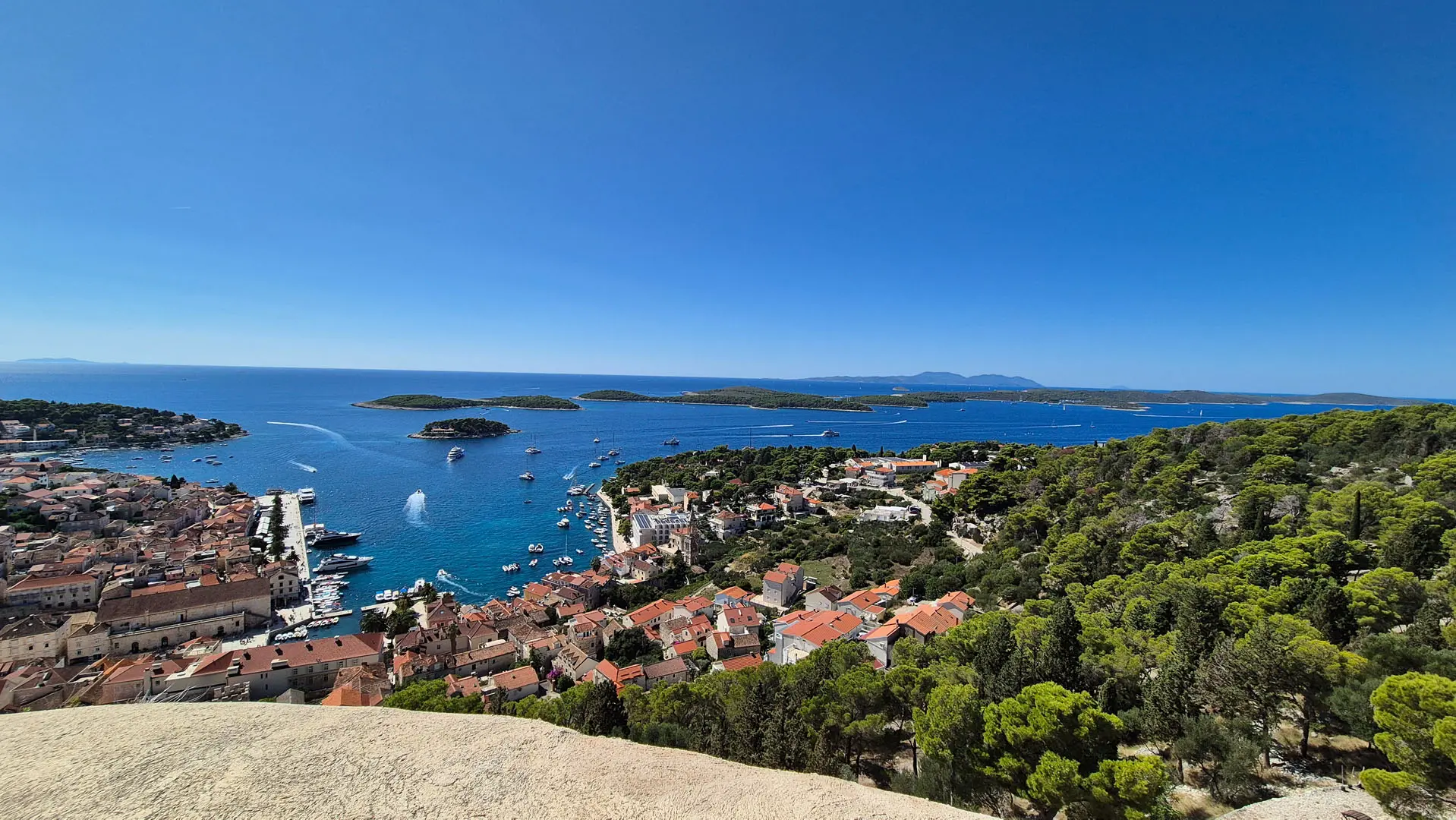
Since Fortica protected the approach to the harbour, Uluč-Ali landed in a neighbouring cove and attacked the town on foot with his army. Everything was looted and burned. The population had already realised earlier what was happening, so everyone withdrew into Fortica. Everyone except five older women, whom the Ottomans killed.
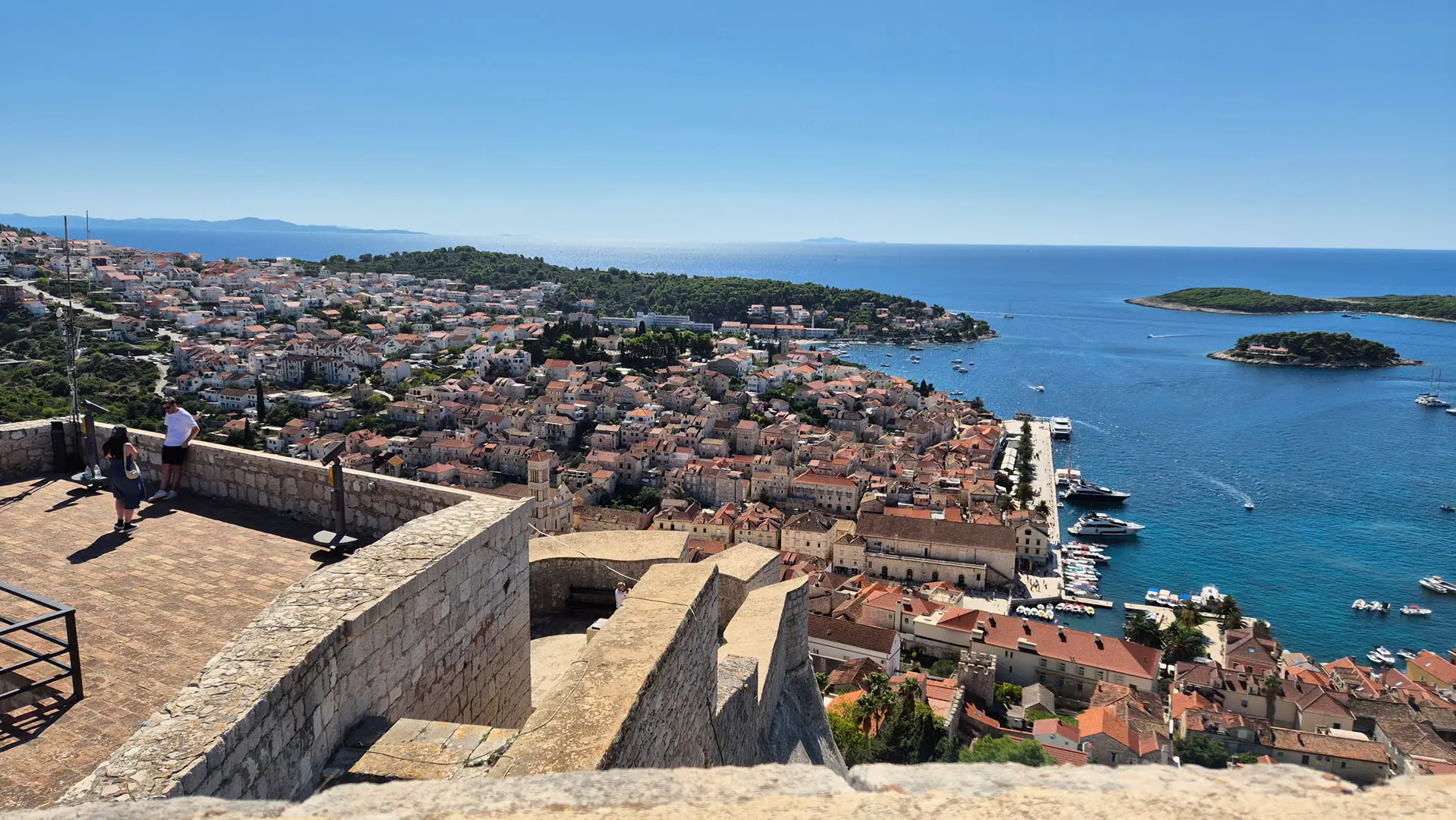
So Fortica saved the inhabitants of the town of Hvar and the refugees from the surrounding places. Uluč-Ali concluded that he would lose too many men in capturing a fortress that at the time was even poorly armed, with an inexperienced garrison.
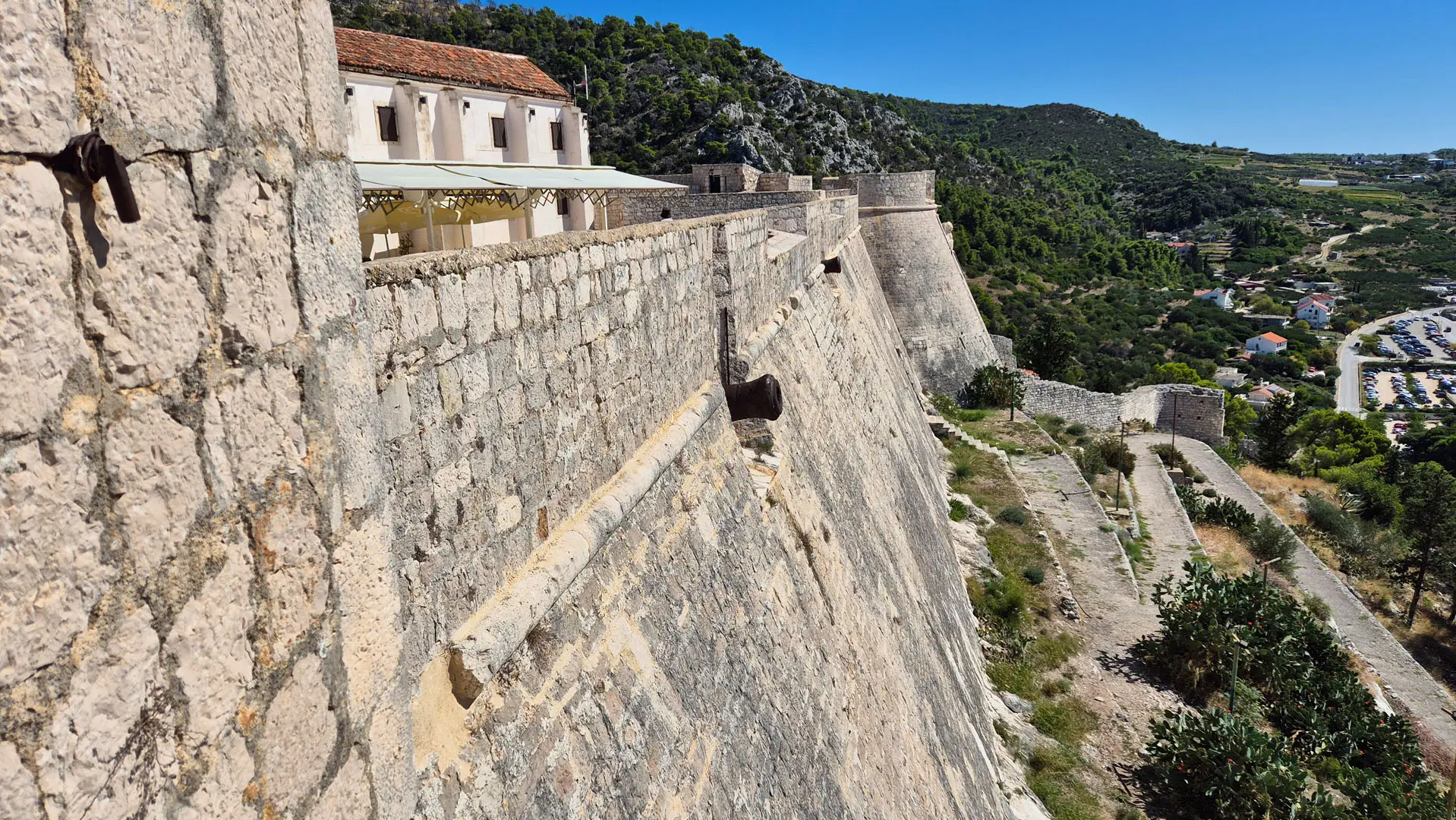
After that Uluč-Ali set off to attack Stari Grad, Vrboska and Jelsa. In Stari Grad, on that occasion, Tvrdalj, the Dominican monastery and the church of St. Peter Martyr were burned. Since the Turks had attacked places on Hvar before, many churches had been fortified. So the people of Jelsa managed to defend themselves from precisely such a fortified church in the middle of the town. Having failed to capture Jelsa, the attackers moved towards the villages above the Starigradsko polje (the Stari Grad Plain). In Pitve they met with fierce resistance from the local population, lost many soldiers, and so decided to retreat.
The Ottomans from the Neretva valley took advantage of the situation and attacked Sućuraj. They burned the monastery and the town, and the inhabitants who did not manage to flee they either killed or took into slavery.
After this campaign, Uluč-Ali sailed towards Lepanto to join the great fleet of 278 ships and over 80,000 soldiers that was to clash with the Christian coalition. The Ottomans lost that battle. They were left without 200 ships and 40,000 soldiers, and never again regained the influence in the Mediterranean that they had had until then.
The only admiral who survived is precisely Uluč-Ali, the one who had devastated our coast. He managed to destroy the Maltese command galley, capture their flag, and finally, when he saw that the battle was lost, to save around 40 of his galleys and flee towards Istanbul. There the sultan proclaimed him supreme admiral.




Special
Although our focus is on Croatia, due to great interest in reviewing some international locations from our travels, we decided to launch the Special section. In it, we will not cover locations in the same detailed way we do with Croatian ones, but will instead provide a brief overview of multiple locations grouped into meaningful categories. The only criterion we still strictly follow is that they must be natural attractions.